
Stone Veneer vs. Vinyl Siding: Cost, Durability, and Curb Appeal
Share
Originally posted October 14, 2024, updated March 2, 2026.
Manufactured stone veneer and vinyl siding offer different benefits for home exteriors. Stone veneer provides realistic texture, architectural depth, and lasting curb appeal, while vinyl siding offers a lower upfront cost, simple maintenance, and faster installation. The right choice depends on your budget, design preferences, climate, and long-term goals.
Choosing the right exterior material can transform your home's appearance, influence maintenance requirements, and affect its long-term value. Two popular options, manufactured stone veneer and vinyl siding, offer distinct advantages for homeowners planning a new build or exterior renovation. While both can protect and enhance a home's exterior, they differ considerably in appearance, installation, cost, and overall performance.
Manufactured stone veneer delivers the look of natural stone without the weight and expense of full-depth masonry. With realistic textures, varied shapes, and natural-looking color blends, it creates distinctive architectural features that complement traditional, rustic, and contemporary homes. Vinyl siding, meanwhile, remains a popular choice for homeowners seeking an affordable exterior with a wide selection of colors and styles.
Understanding the differences between manufactured stone veneer vs. vinyl siding can help you choose the right material for your project, whether your priority is affordability, durability, curb appeal, or resale potential.
Manufactured Stone Veneer vs. Vinyl Siding: Appearance and Design
The visual difference between manufactured stone veneer and vinyl siding is one of the most important considerations when planning an exterior renovation. Although both materials are available in different styles, they create distinctly different architectural effects.
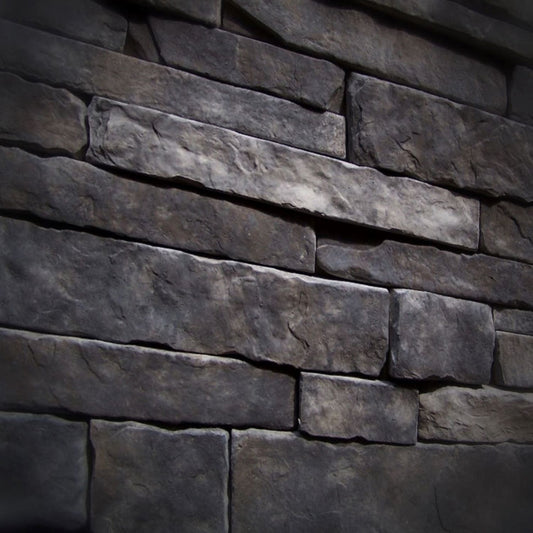
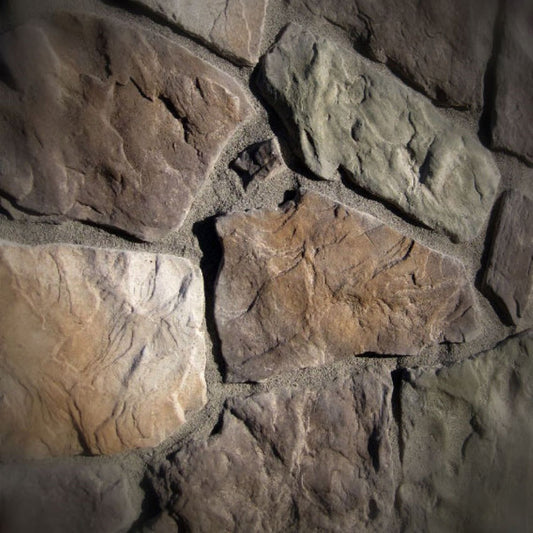
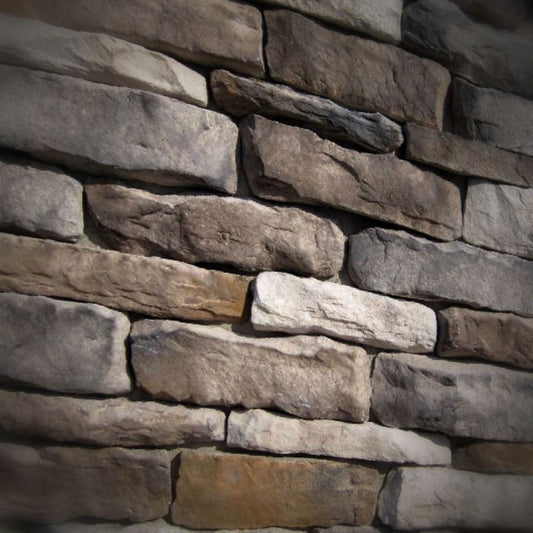
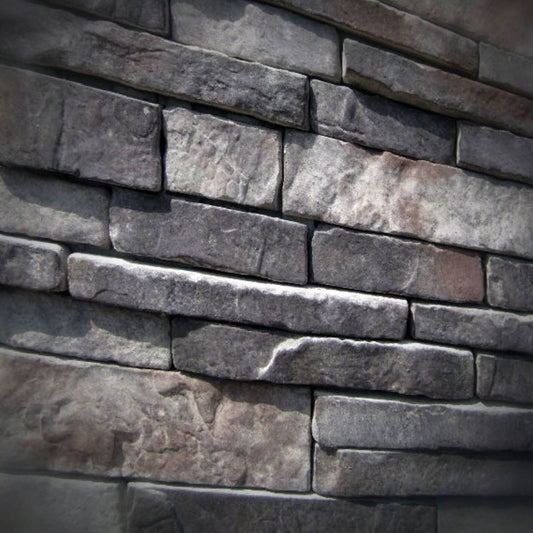
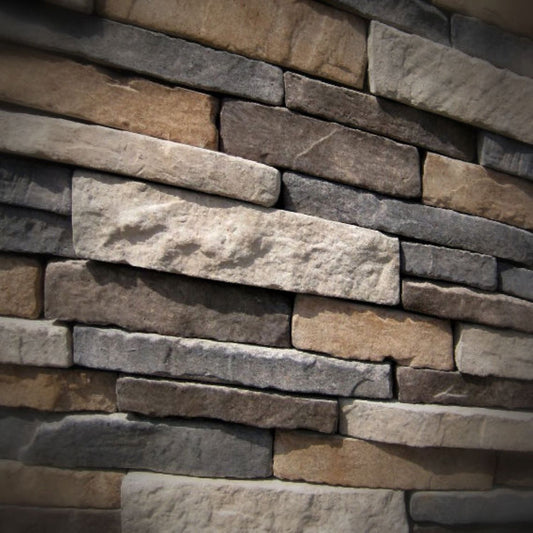
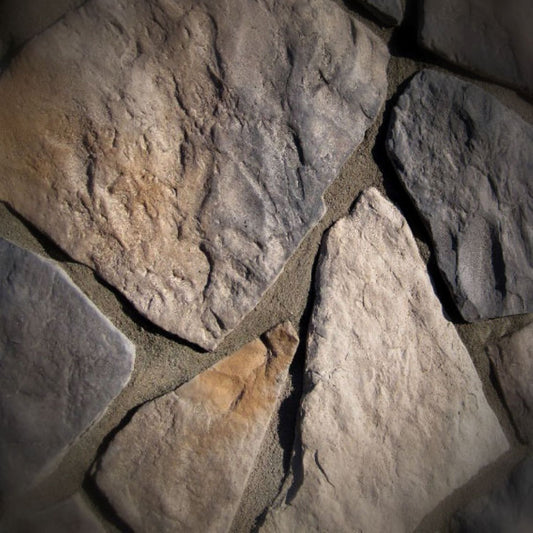
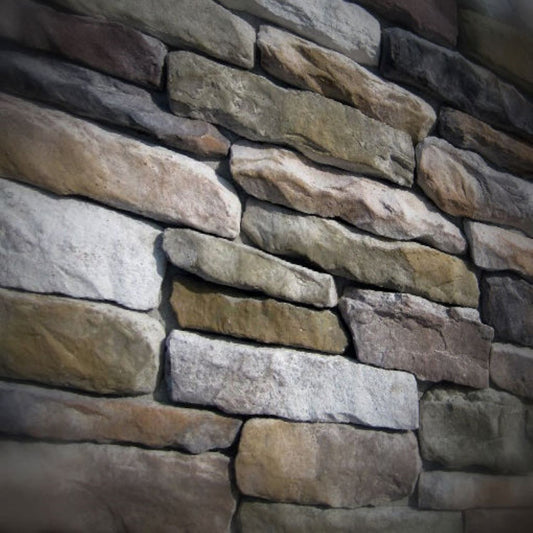
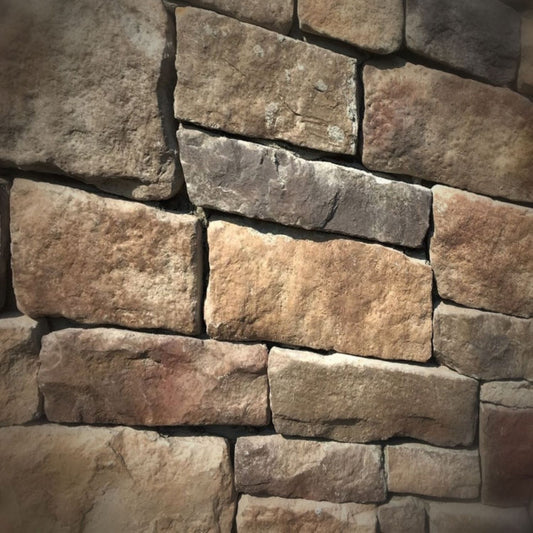
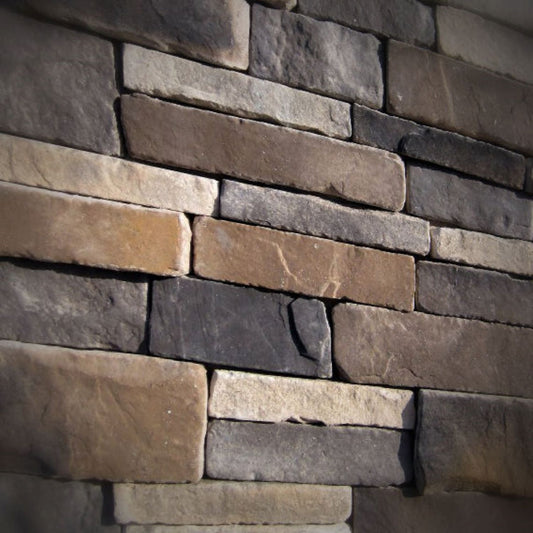
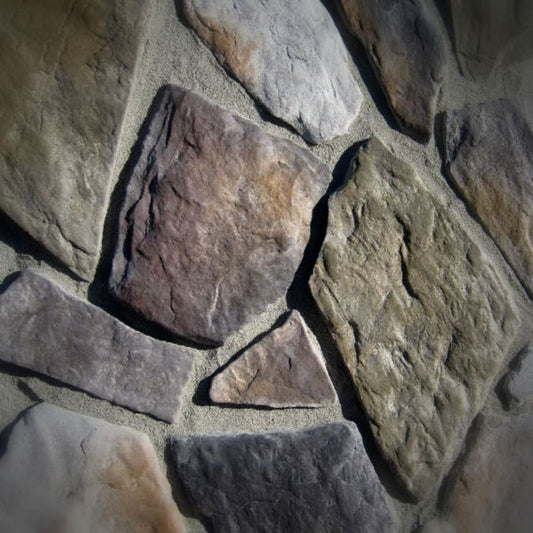
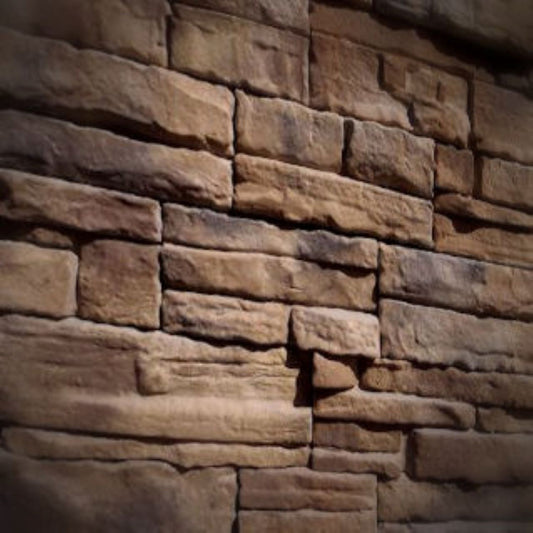
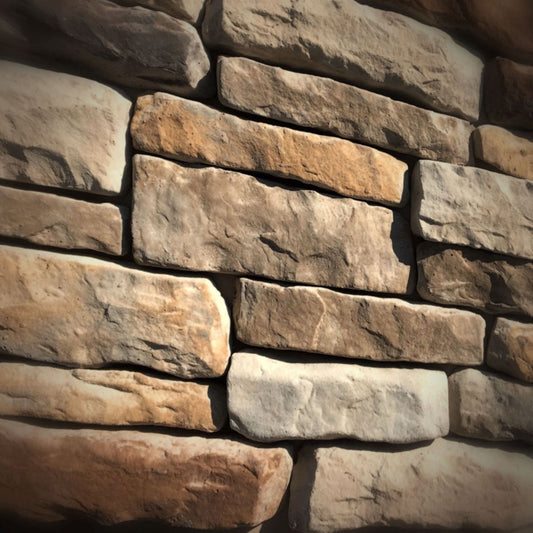
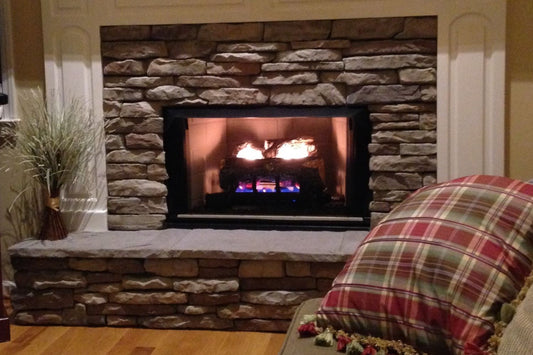
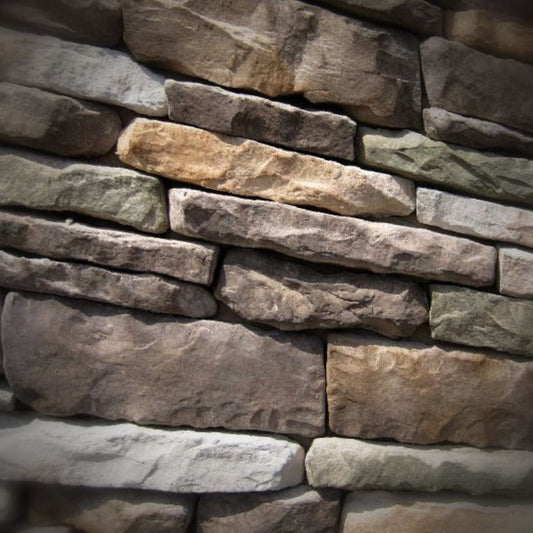
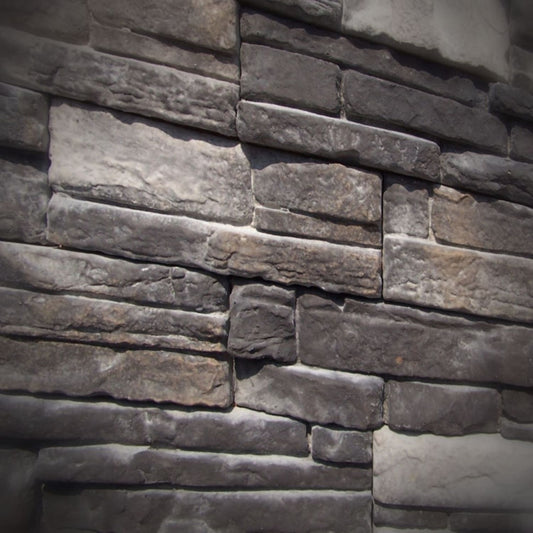
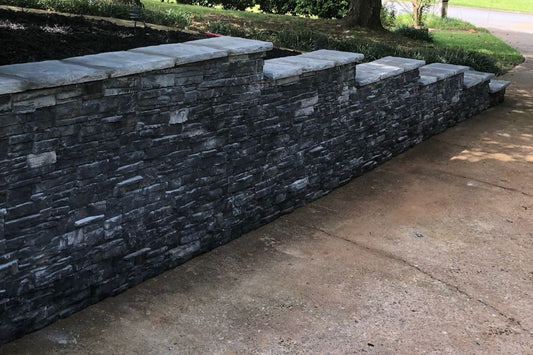
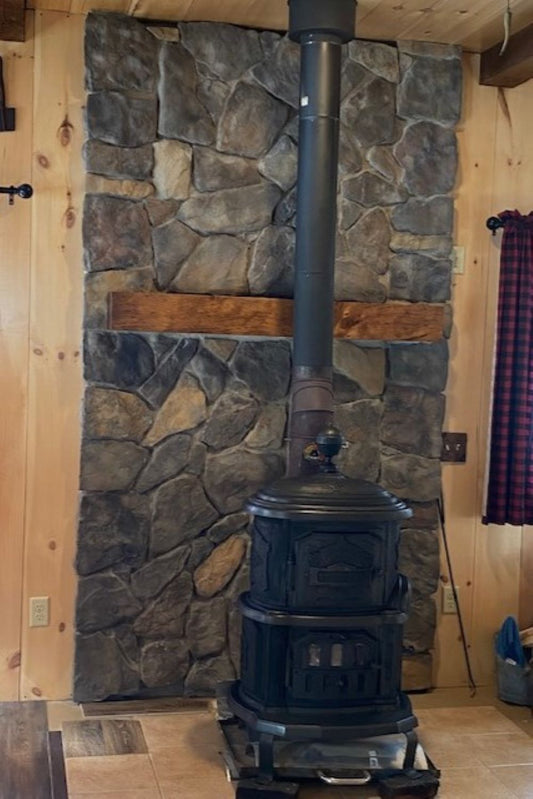
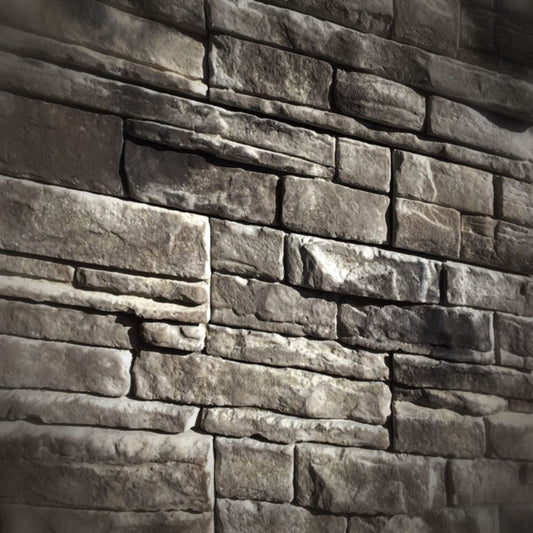
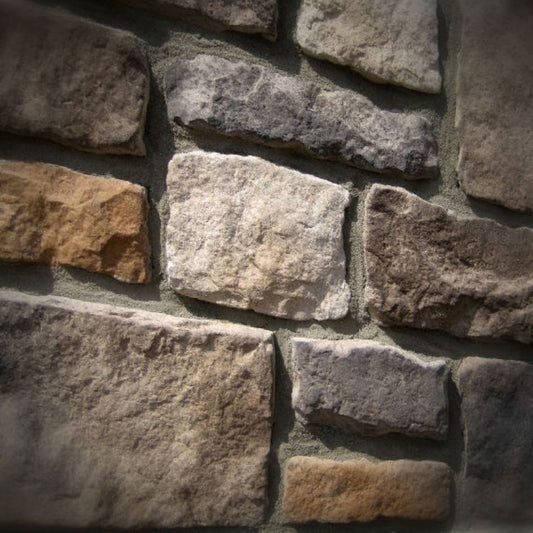
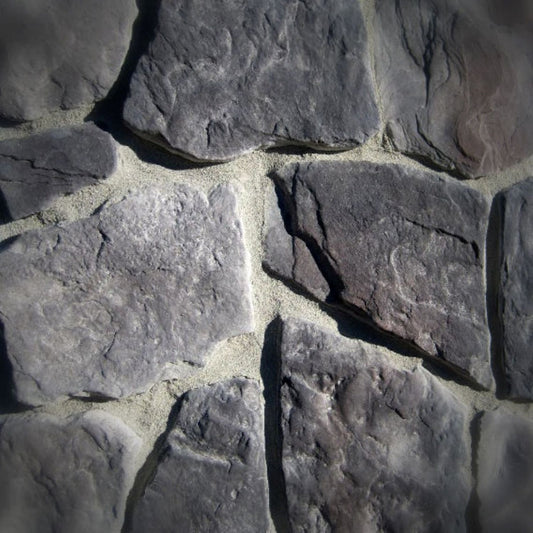
Manufactured stone veneer is designed to replicate the appearance of natural stone, offering dimensional surfaces, realistic textures, and color variation that add depth to exterior walls. Made with Portland cement, lightweight aggregates, and iron oxide mineral pigments, it can reproduce the appearance of materials such as limestone, ledgestone, and stacked stone. These profiles work well on exterior accent walls, entryways, columns, foundations, and complete architectural sections.
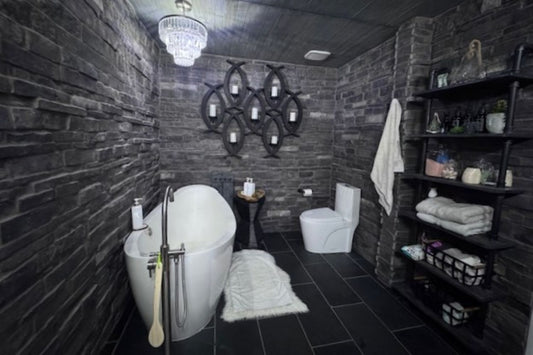
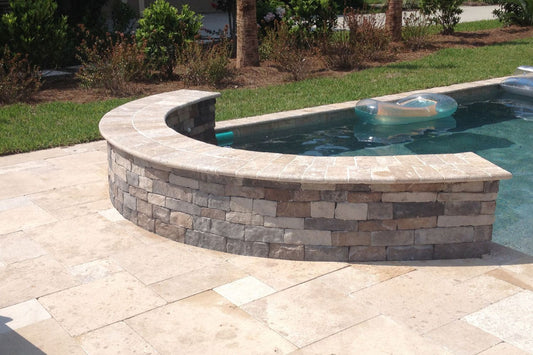
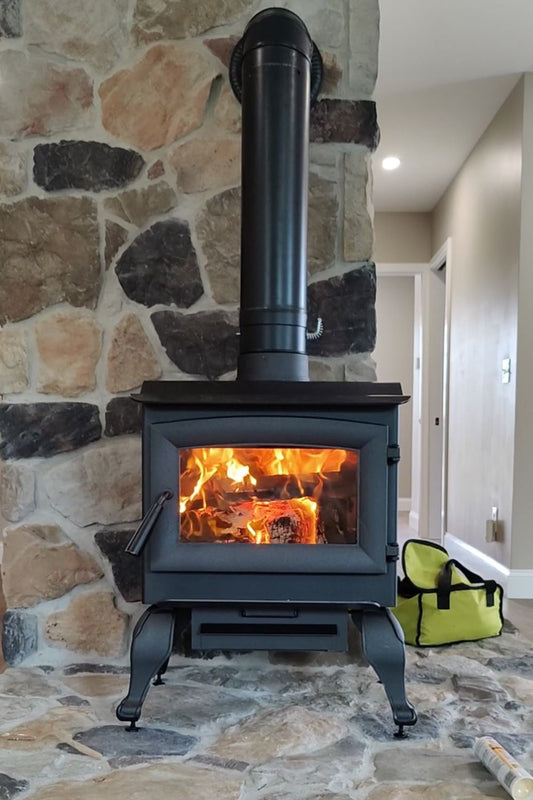
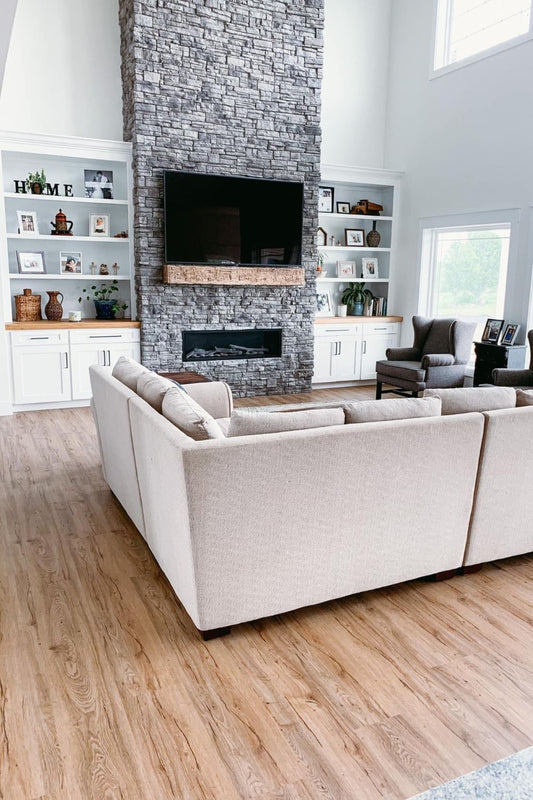
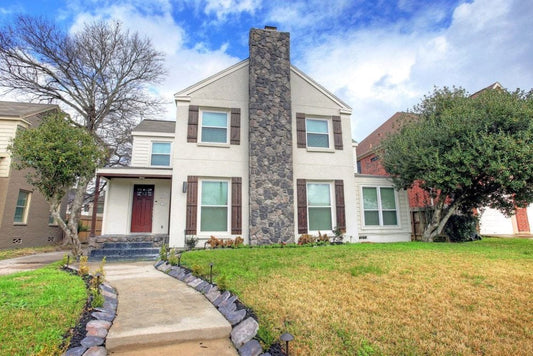
The dimensional character of stone veneer makes it particularly effective for creating focal points and adding visual interest to otherwise flat surfaces. It can complement wood, brick, stucco, metal, and other exterior finishes, allowing homeowners to introduce stone without covering the entire home.
Vinyl siding offers a different design approach. Available in traditional horizontal lap siding, vertical board-and-batten profiles, and numerous colors, it provides a consistent finish that suits a wide range of architectural styles. Some products imitate wood grain or other materials, but standard vinyl siding generally lacks the pronounced depth and individual surface variation of manufactured stone veneer.
For homeowners who want a natural-looking, substantial exterior feature, manufactured stone veneer offers greater textural impact. Vinyl siding is an appealing alternative for those who prefer a uniform appearance, a broad color selection, and a more economical way to finish large exterior surfaces.
Durability and Maintenance: Which Material Lasts Longer?
Both manufactured stone veneer and vinyl siding can provide years of service when properly selected, installed, and maintained. However, their material properties influence how they respond to weather, physical damage, and long-term exposure.
Manufactured stone veneer is a cement-based material designed for exterior applications when installed according to the product manufacturer's requirements. Its hard, dimensional surface can withstand normal outdoor exposure and provides a substantial finish that is less susceptible to the denting associated with some siding materials. Proper installation and appropriate moisture management are essential to long-term performance, particularly in climates that experience heavy rainfall, freezing temperatures, and repeated freeze-thaw cycles.
Stone veneer is not maintenance-free. Periodic cleaning and occasional inspection of joints, transitions, and surrounding wall components can help maintain its appearance and performance. A compatible penetrating sealer may be appropriate for certain installations, but sealing requirements depend on the specific product and exposure conditions. Any cleaning or sealing method should follow the manufacturer's guidance.
Vinyl siding is valued for its relatively simple maintenance. It does not require routine painting, and ordinary dirt can often be removed with gentle cleaning. It also resists rot and insect damage because it is not a wood-based product. However, vinyl can crack after impacts, become more brittle in cold weather, or deform when exposed to excessive heat. Individual panels may need replacement if damaged, and prolonged exposure to sunlight can gradually change their appearance.
Neither material is immune to installation problems or environmental damage. The most suitable choice depends on local weather conditions, the quality of the product, installation practices, and the homeowner's expectations for maintenance. Manufactured stone veneer offers a hard, textured finish, while vinyl siding generally requires less specialized upkeep.
Manufactured Stone Veneer vs. Vinyl Siding Cost
Cost is often a deciding factor when comparing exterior materials. Vinyl siding generally costs less upfront than manufactured stone veneer, making it a practical option for homeowners covering large areas on a limited budget.
Vinyl siding is lightweight and designed for relatively straightforward installation. Its material costs and labor requirements are often lower than those associated with stone veneer, although prices vary according to product quality, siding style, regional labor rates, and the condition of the existing exterior.
Manufactured stone veneer typically represents a higher initial investment. Material costs vary by profile, color, quantity, and supplier, while installation expenses depend on wall preparation, project complexity, and local labor rates. Because the pieces are installed individually or as part of a manufacturer's specific system, careful planning and skilled workmanship are important.
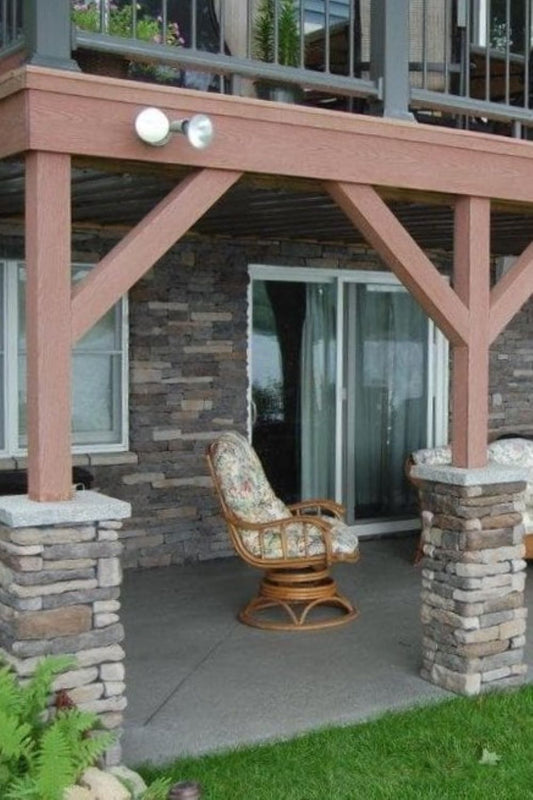
The comparison also depends on how the materials are used. Installing stone veneer across an entire exterior can be substantially more expensive than using it as an accent around an entryway, garage, foundation, or architectural feature. Combining stone veneer with vinyl siding is one way to balance the visual impact of stone with the lower cost of siding.
Homeowners should compare the total installed cost rather than material prices alone. Substrate preparation, moisture-management components, trim, accessories, labor, and potential repairs all contribute to the final project budget. Considering these factors alongside appearance and expected service life provides a more useful comparison than choosing the least expensive material at the outset.
Energy Efficiency and Exterior Wall Performance
Energy efficiency is another consideration when choosing between manufactured stone veneer and vinyl siding. However, neither exterior finish should be treated as a substitute for a properly designed insulation system.
Manufactured stone veneer adds another layer to the exterior wall assembly, but the veneer itself generally provides limited insulation compared with dedicated insulation products. Its contribution to energy performance depends on the complete wall system, including insulation, air sealing, weather barriers, and installation details.
A well-designed exterior assembly can help reduce unwanted air movement and improve indoor comfort, but those benefits come primarily from the performance of the entire wall rather than from the stone veneer alone. Homeowners interested in reducing heating and cooling costs should evaluate insulation levels and air leakage before assuming that a particular cladding will deliver substantial energy savings.
Standard vinyl siding also provides little insulation by itself. Insulated vinyl siding incorporates foam backing that can add some insulating value and improve certain aspects of wall performance. Its overall effectiveness still depends on the insulation and air-sealing measures behind it.
When comparing the two materials, look beyond the visible finish. A properly insulated and air-sealed wall can perform well with either exterior material. Choose manufactured stone veneer for its appearance and architectural character, and evaluate insulation products and wall construction separately to meet your energy-efficiency goals.
Installation Complexity and Project Timeline
Installation requirements are an important difference between manufactured stone veneer and vinyl siding. The materials use different attachment methods and require different levels of preparation, which can influence labor costs and project schedules.
Manufactured stone veneer installation typically involves preparing a suitable substrate and following the manufacturer's requirements for moisture management, attachment, and mortar application. Depending on the wall assembly, this may include a weather-resistive barrier, metal lath, and a scratch coat. Some applications use other approved installation systems, so the correct approach depends on the product, substrate, and applicable building requirements.
Individual stone pieces must be arranged to create a natural-looking pattern, with attention to color distribution, spacing, corners, and transitions. Proper detailing around windows, doors, and other openings is also important. Because installation quality affects both appearance and long-term performance, many homeowners choose experienced stone veneer installers.
Vinyl siding is generally faster to install because the panels are lightweight and designed to fit together through a standardized attachment system. Installers must still account for wall preparation, flashing, clearances, expansion, and drainage. Improper installation can lead to buckling, water-related problems, or other performance issues.
Vinyl siding may be suitable for experienced DIY homeowners, depending on the project and local requirements. Manufactured stone veneer can also be installed by qualified individuals with the necessary skills, but its preparation and placement requirements often make professional installation a practical choice.
For homeowners working within a tight schedule, vinyl siding is often the simpler option. Manufactured stone veneer requires more detailed workmanship, but the finished appearance can make that additional effort worthwhile.
Resale Value and Curb Appeal
Exterior improvements can influence how buyers perceive a home, and both manufactured stone veneer and vinyl siding can contribute to a well-maintained exterior. Their effects on resale value, however, depend on the property's location, architectural style, market conditions, and quality of installation.
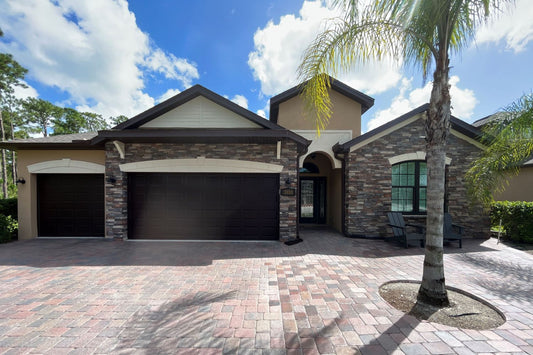
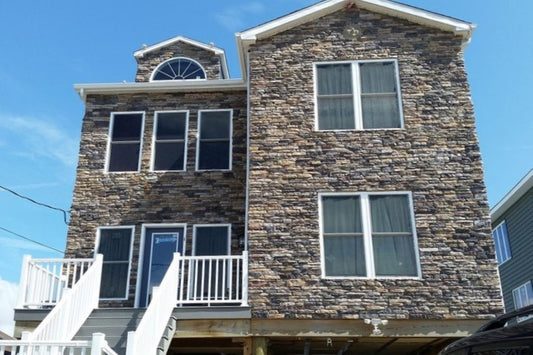
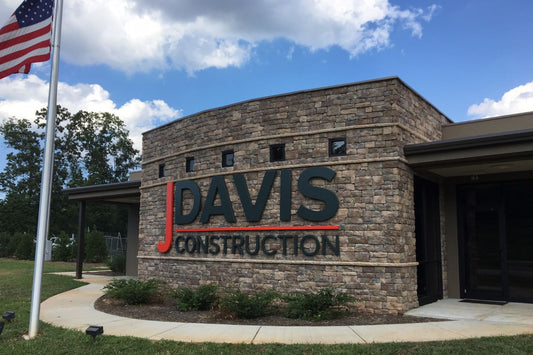
Manufactured stone veneer is frequently used to enhance curb appeal because it adds texture, depth, and a premium architectural finish. It can make entryways, columns, foundations, and other exterior features more visually distinctive. These improvements may help a home stand out to prospective buyers, particularly when the stone complements the overall design rather than overwhelming it.
The 2024 Cost vs. Value report from Remodeling placed manufactured stone veneer among the leading exterior remodeling projects for recouping project costs at resale. Reported returns can be substantial, but they represent averages for a particular reporting period and market sample, not a guaranteed return for every property. Actual results vary with project costs, local real estate conditions, and buyer preferences.
Vinyl siding can also improve curb appeal, particularly when replacing damaged, faded, or outdated exterior cladding. A fresh, consistent finish can make a home look better maintained without requiring the larger initial investment associated with extensive stone veneer installation.
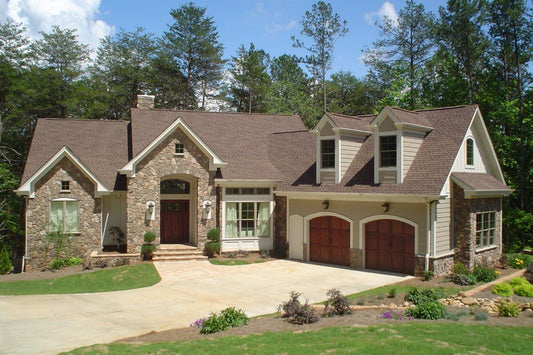
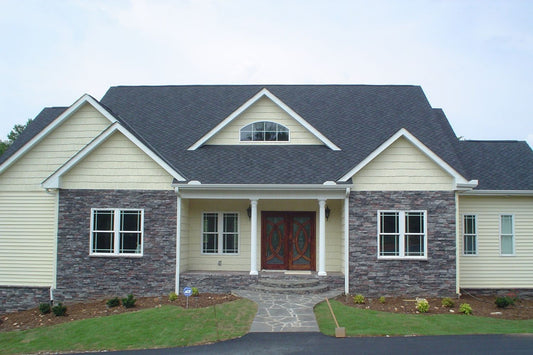
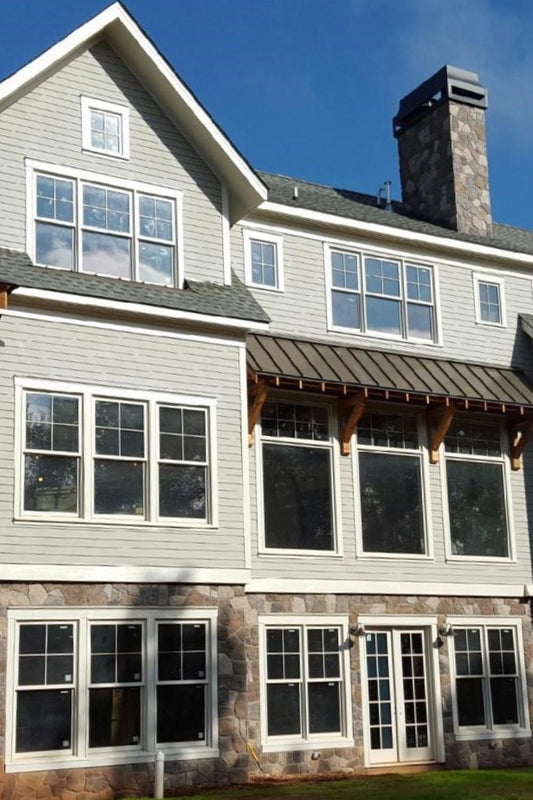
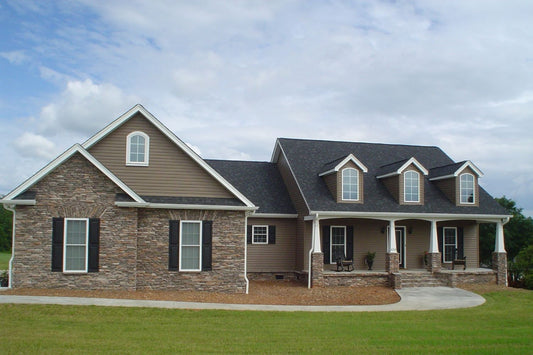
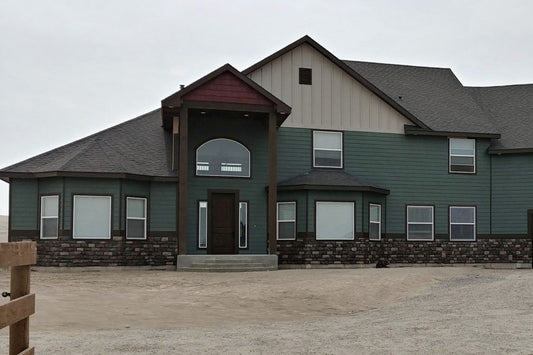
Homeowners do not necessarily need to choose one material for every exterior surface. Combining manufactured stone veneer with vinyl siding can create contrast, emphasize architectural features, and manage overall costs. For example, stone around the entryway or lower portion of the facade can provide visual weight, while siding covers larger wall areas.
Ultimately, the best investment is one that fits the home, the neighborhood, and the owner's budget. Manufactured stone veneer can be an excellent choice for homeowners prioritizing distinctive curb appeal, while vinyl siding remains a practical option for affordable exterior updates.
Stone Veneer vs. Vinyl Siding
The choice between manufactured stone veneer and vinyl siding comes down to your priorities. Each material serves a different purpose, and neither is automatically the best option for every home.
Manufactured stone veneer is particularly well suited to homeowners who want realistic stone textures, architectural depth, and a distinctive exterior finish. It works especially well as an accent material or as a prominent design feature on homes where curb appeal is a priority. Its higher initial cost and more involved installation should be considered as part of the overall project budget.
Vinyl siding is a strong choice for homeowners who prioritize affordability, straightforward maintenance, and efficient installation. Its broad range of colors and profiles makes it adaptable to many home styles, and it can provide a consistent exterior finish without the cost of covering large surfaces in stone.
For many projects, combining the two materials provides the best balance. Manufactured stone veneer can create a focal point, while vinyl siding offers an economical finish for the remaining exterior walls. This approach allows homeowners to enjoy the character of stone without committing to a full stone veneer facade.
Frequently Asked Questions About Stone Veneer vs. Vinyl Siding
Is manufactured stone veneer better than vinyl siding?
Manufactured stone veneer is often the better choice for homeowners who prioritize realistic stone texture, architectural character, and distinctive curb appeal. Vinyl siding is generally more affordable upfront and easier to install, making it a practical option for budget-conscious exterior renovations.
Is manufactured stone veneer more expensive than vinyl siding?
Yes, manufactured stone veneer typically has a higher installed cost because of its material pricing, wall preparation, and labor requirements. Vinyl siding is usually less expensive to purchase and install, although actual costs vary by product, project size, and location.
Which is more durable in extreme weather?
Manufactured stone veneer provides a hard, durable surface when properly installed, while vinyl siding can be vulnerable to impact damage, cold-weather cracking, and heat-related deformation. Both materials require correct installation and appropriate detailing to perform well in local weather conditions.
Does manufactured stone veneer increase home resale value?
Manufactured stone veneer can improve curb appeal and may contribute to resale value, particularly when it complements the home's architecture. Industry remodeling reports have documented strong cost recovery for stone veneer projects, but actual returns vary by market and should not be considered guaranteed.
Is manufactured stone veneer more energy efficient than vinyl siding?
Not necessarily. Manufactured stone veneer does not replace insulation, and its effect on energy performance depends on the complete wall assembly. Standard vinyl siding also provides little insulation, although insulated vinyl siding can improve thermal performance. Proper insulation and air sealing are essential with either exterior finish.
Can you combine manufactured stone veneer and vinyl siding?
Yes. Combining manufactured stone veneer with vinyl siding is a popular way to balance cost and design. Stone veneer can highlight entryways, columns, foundations, and other architectural features, while vinyl siding provides an economical finish for larger wall areas.
What's Next?
Elevate your design with our premium stone veneer! Shop now to explore our collection or order a sample today to experience the quality firsthand!
Have a Question?
Please see our full terms of service or check out our frequently asked questions.
For general information and questions please call: (864) 882-8960 Mon. - Fri. 8am - 5pm (EST) or email: info@blackbearmountainstone.com we are more than happy to help you.
Or you can submit your questions via our contact us page.
We look forward to working with you on your upcoming project.
The Black Bear Mountain Stone Team
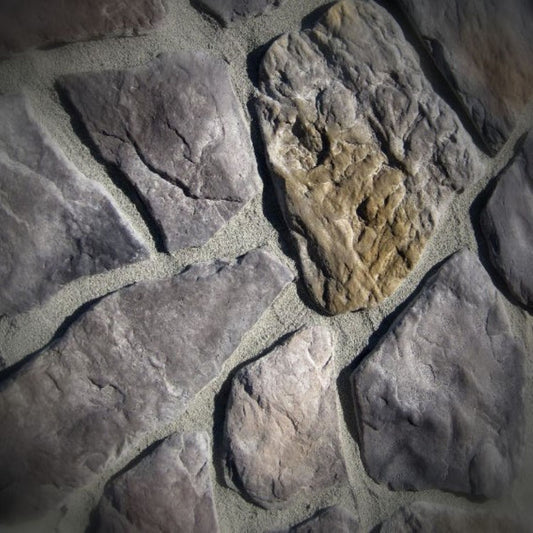
Pictured is lime stone tuscany.