
What is Castle Rock Stone Veneer? A Guide to Hackett Stone
Share
Originally posted December 20, 2024, updated May 1, 2026.
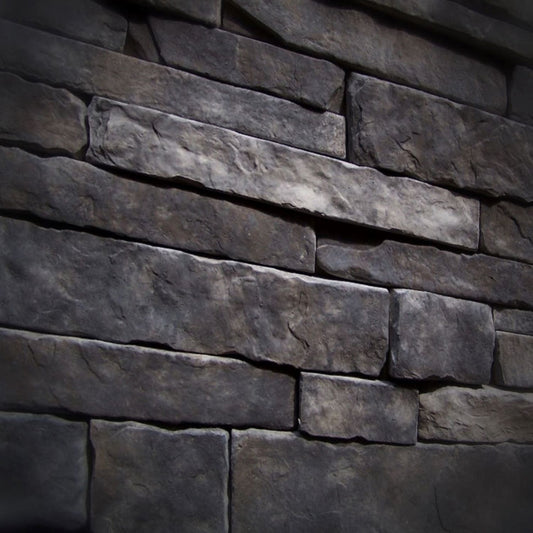
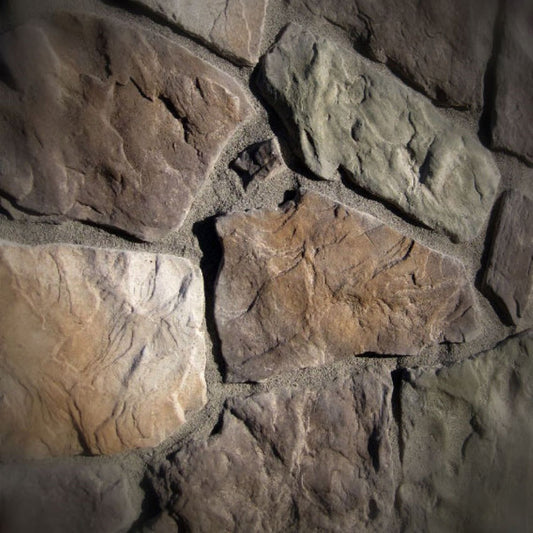
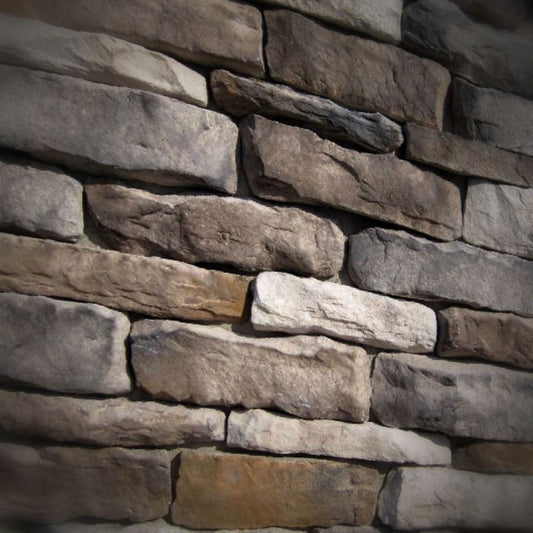
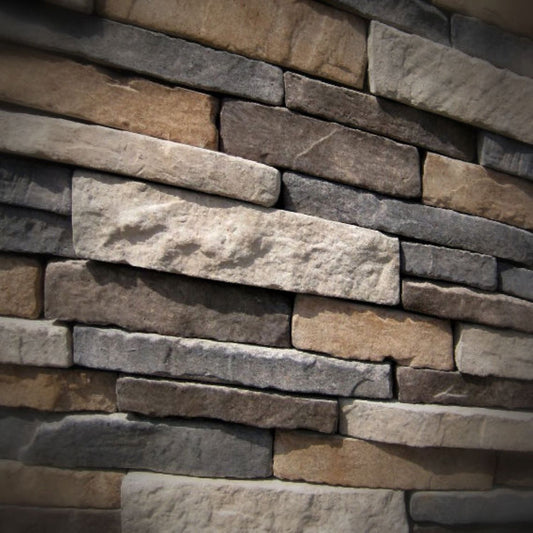
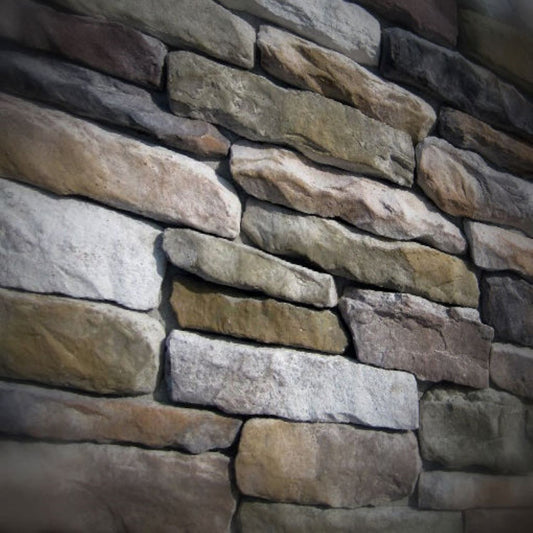
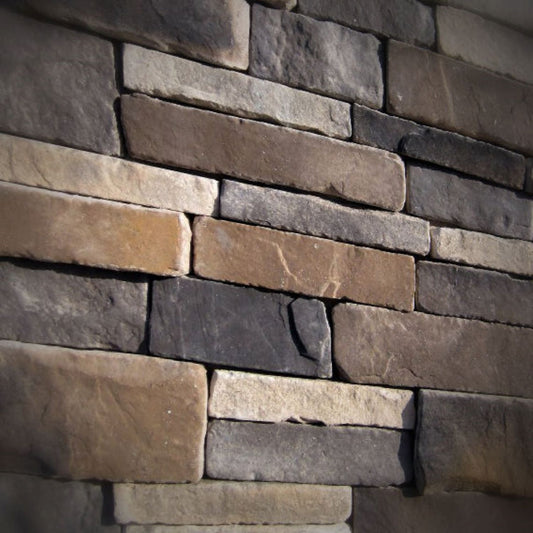
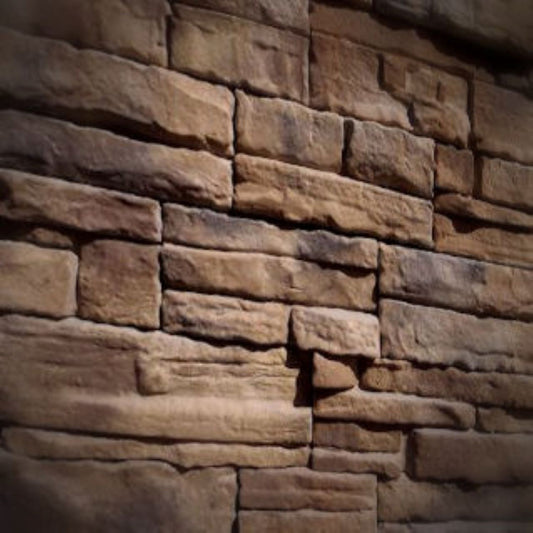
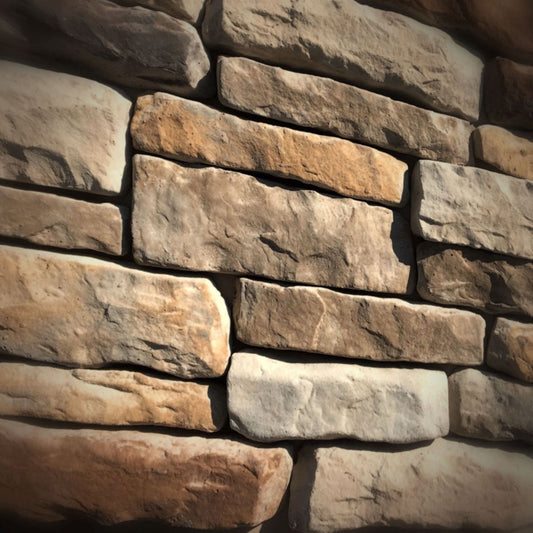
Hackett stone manufactured stone veneer, also known as castle rock or castle stone, replicates the rugged appearance of large, hand-chiseled stones found in historic castles. With bold shapes, weathered textures, and natural color variations, this style adds timeless character to home exteriors, fireplaces, accent walls, and outdoor living spaces while offering a lighter, more affordable alternative to full-thickness natural stone.
Hackett stone is a style of manufactured stone veneer inspired by the massive, hand-cut stones used in historic European castles, fortresses, and traditional masonry buildings. Also known as castle rock or castle stone, this profile features substantial stone shapes, rugged surface textures, and varied dimensions that create a distinctive old-world appearance. Its combination of architectural structure and natural-looking irregularity makes it a compelling choice for homeowners, builders, and designers seeking a timeless stone finish.
Unlike full-thickness natural stone, manufactured stone veneer is produced to replicate the appearance of quarried stone using Portland cement, lightweight aggregates, and iron oxide mineral pigments. The manufacturing process creates individual pieces with realistic contours, surface details, and color variation. The result captures the character of traditional stone masonry without the same weight, material costs, or structural demands associated with full-thickness stone.
Hackett stone stands out because of its larger, more substantial shapes and hand-chiseled appearance. Rather than creating the tight, horizontal lines associated with stacked stone, it produces a more varied layout that feels established and architectural. The combination of bold stone faces and rugged texture gives walls a sense of depth and permanence, making this profile especially effective when a project calls for a strong visual statement.
Why Choose Castle Rock Manufactured Stone Veneer?
Castle rock manufactured stone veneer offers a distinctive balance of traditional character and modern practicality. Its appearance draws inspiration from historic architecture, but its manufactured construction makes it suitable for contemporary residential and commercial projects. Whether used on a new home or incorporated into a renovation, it can create the impression of substantial stone masonry without requiring full-thickness stone construction.
One of its greatest advantages is its visual versatility. Although the profile has a rugged, rustic character, its larger shapes and relatively structured arrangement can complement many architectural styles. It works naturally with traditional, farmhouse, craftsman, mountain, and rustic designs. When paired with clean lines, expansive windows, metal accents, or contemporary lighting, it can also bring warmth and texture to modern architecture.
Manufactured stone veneer is generally lighter than full-thickness natural stone, which can simplify material handling and expand the range of suitable applications. Depending on the project and substrate, it may also reduce structural demands and installation costs. The exact savings depend on the product, site conditions, preparation requirements, and labor rates, but manufactured veneer provides an accessible way to achieve a substantial stone appearance without the expense of building with full-depth stone.
Consistency is another advantage. Manufactured stone is created through a controlled production process, allowing manufacturers to produce coordinated colors, textures, and shapes for residential and commercial projects. Natural-looking variation remains important, but the manufactured format helps establish a cohesive appearance across an installation.
What Makes Hackett Stone Look Like Historic Castle Masonry?
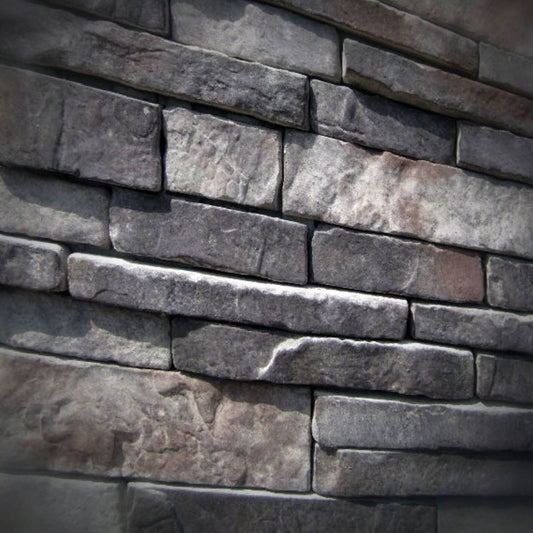
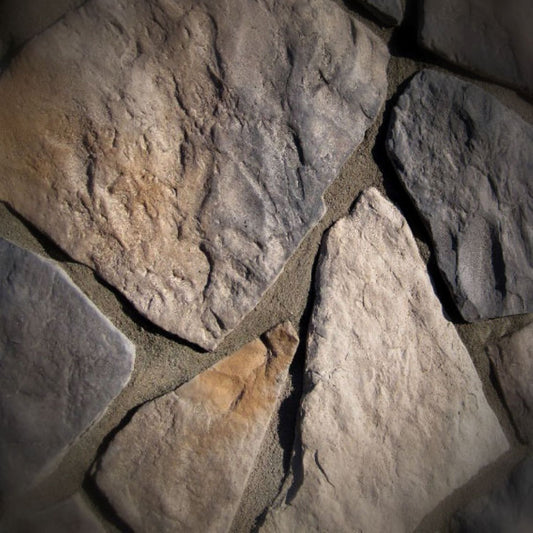
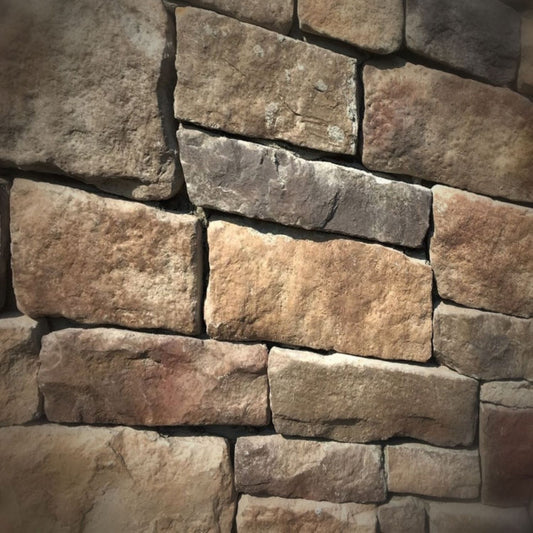
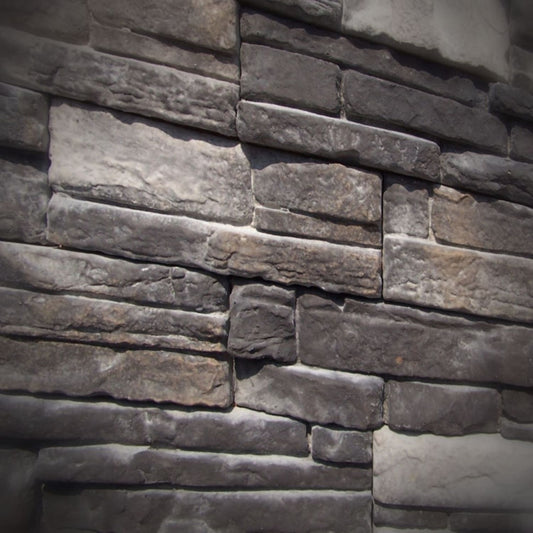
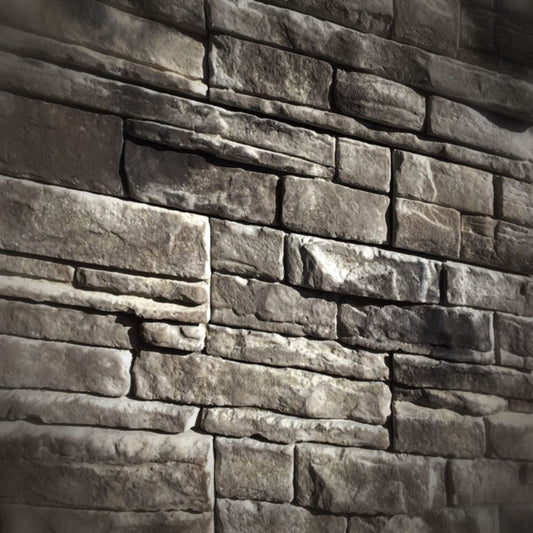
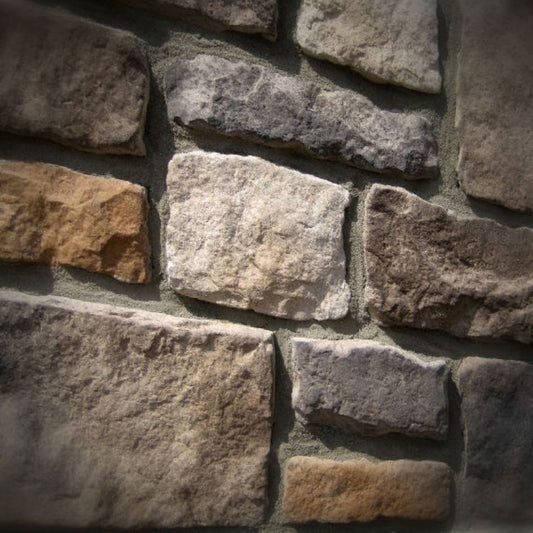
The defining characteristics of castle rock stone veneer are its scale, texture, and variation. Larger rectangular and irregularly shaped pieces create a sense of structure, while rugged surfaces and uneven contours reproduce the visual character of hand-worked stone. These details help distinguish the profile from smoother, more uniform veneer styles.
Texture is particularly important because it influences how the finished wall interacts with light. Raised areas create highlights, while recessed contours produce shadows that change throughout the day. This variation gives the surface depth and helps prevent the finished installation from appearing flat or repetitive.
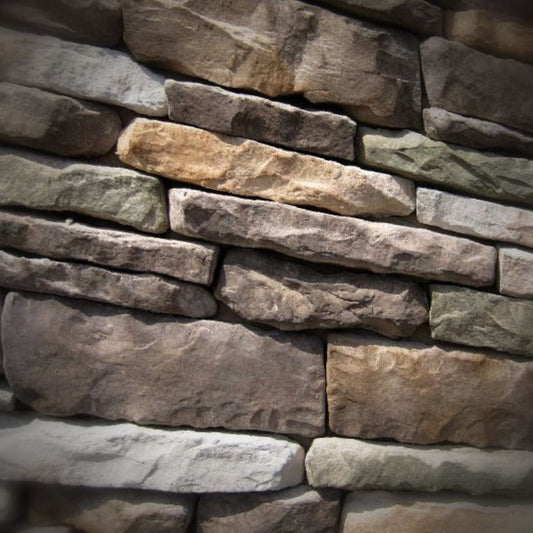
Color contributes equally to the overall effect. Castle rock-inspired veneer commonly features earthy neutrals, including gray, beige, brown, and blended tones. Depending on the color selection, the finished wall can feel warm and traditional, cool and contemporary, or reminiscent of weathered historic masonry. Choosing a color that complements nearby roofing, siding, trim, and hardscape materials helps the stone feel integrated into the overall design.
Mortar joints also influence the final appearance. Joint width, mortar color, and installation technique can emphasize the individual stones or create a more unified surface. The appropriate approach depends on the particular veneer profile and the desired finished look, so installation should follow the product manufacturer's instructions.
Where Can You Use Hackett Stone Veneer?
Hackett stone manufactured stone veneer works in a wide range of interior and exterior applications. Its substantial appearance makes it particularly effective on large surfaces and architectural features where texture and visual presence are important.
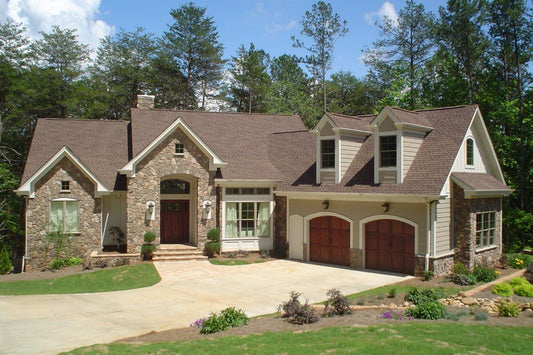
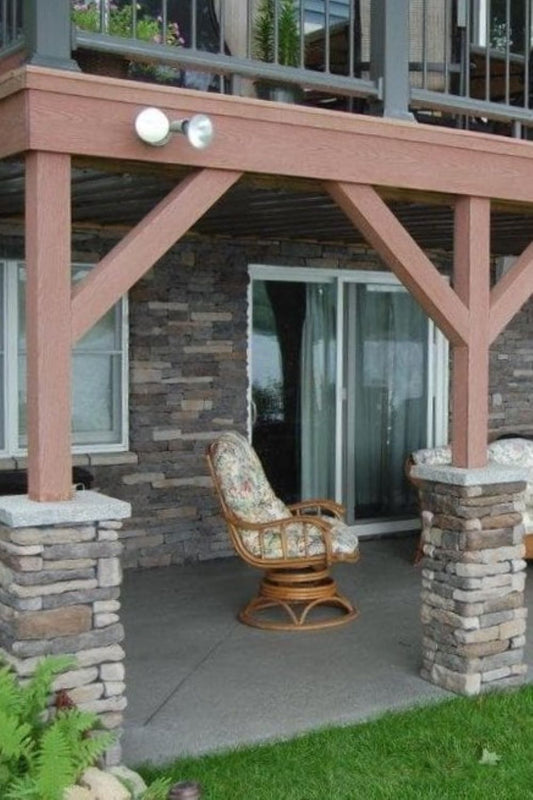
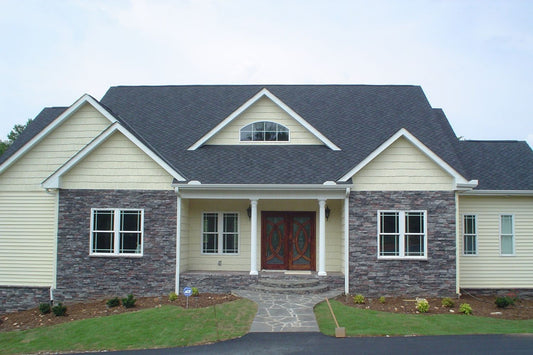
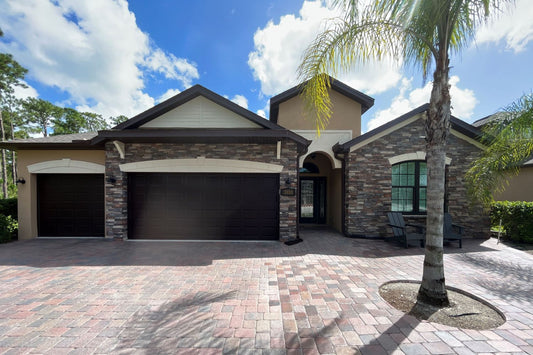
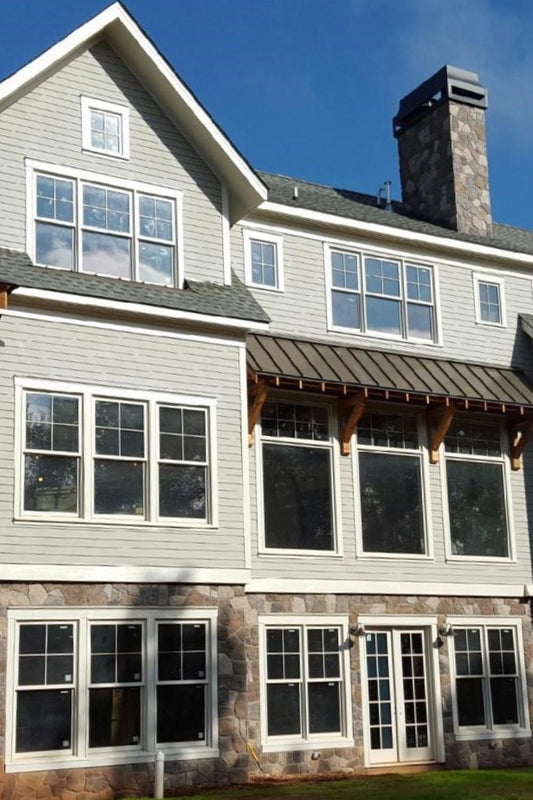
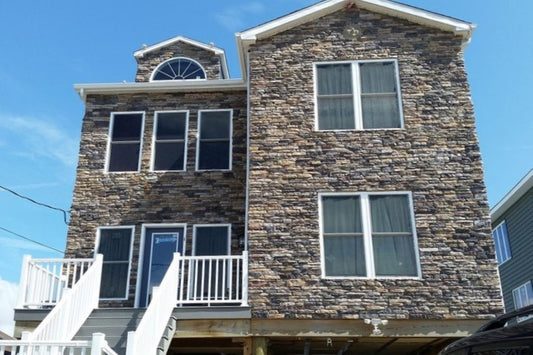
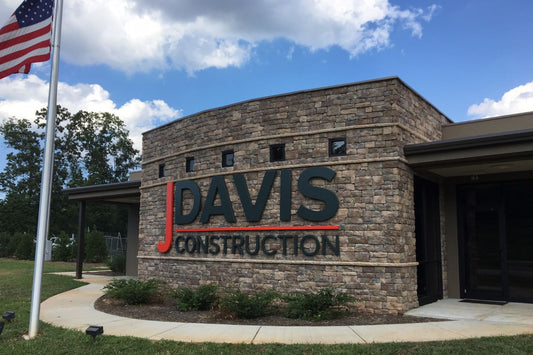
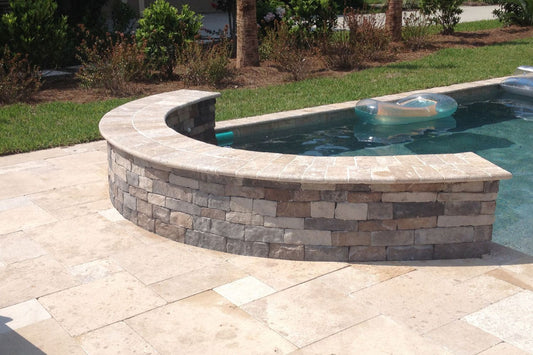
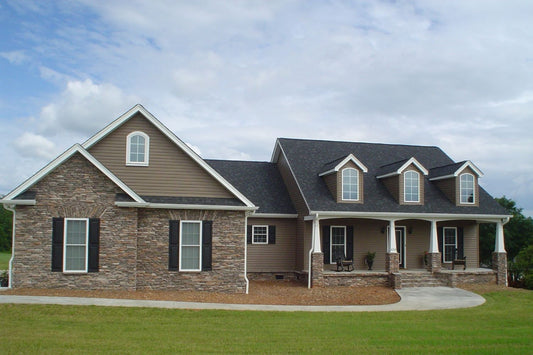
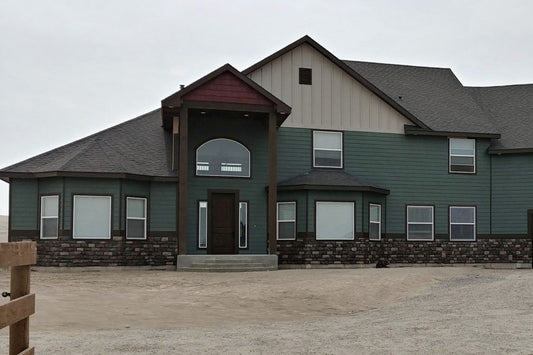
Exterior facades are among its most striking applications. Stone veneer can cover an entire exterior wall or highlight selected areas, such as the front entrance, garage surround, gables, or lower portion of a home's facade. Combining stone with siding, stucco, or other complementary materials creates contrast and adds architectural definition without making every exterior surface visually heavy.
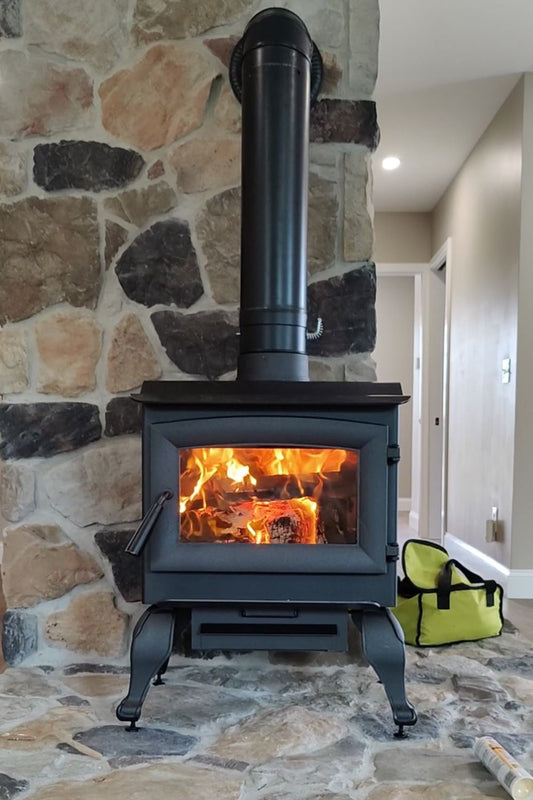
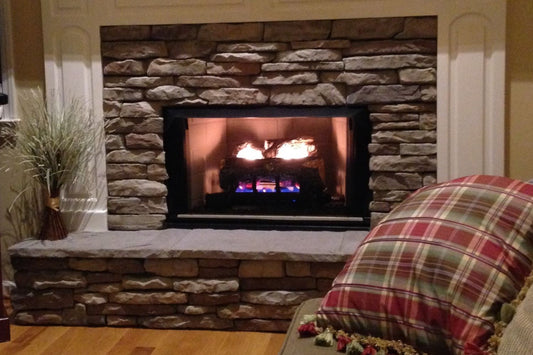
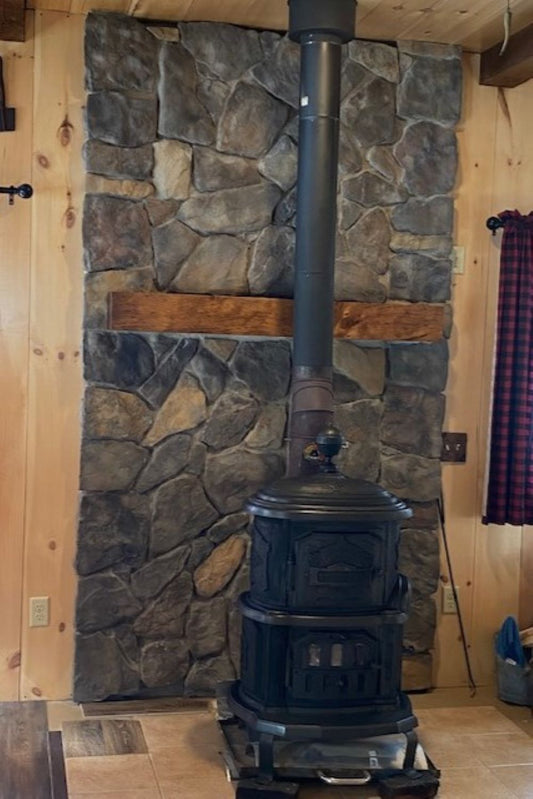
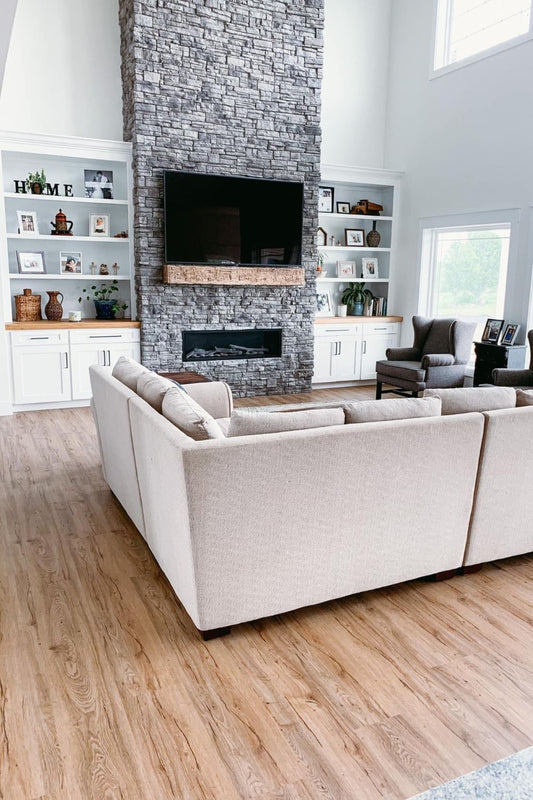
Fireplaces are another natural fit for castle rock stone veneer. A rugged stone surround can transform a living room into a welcoming gathering space or give an outdoor entertaining area a more established, masonry-inspired appearance. The larger shapes create a strong focal point, especially when the stone extends vertically toward the ceiling or frames a substantial hearth. Fireplace installations must still meet applicable clearance requirements and the specifications of the fireplace and veneer manufacturers.
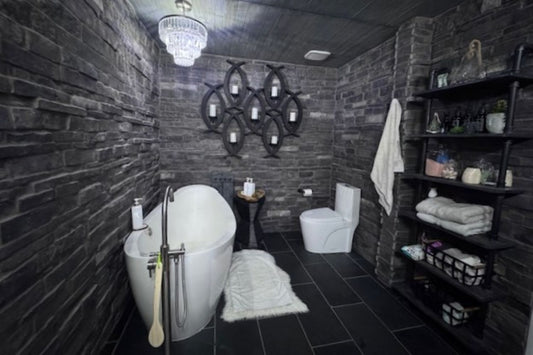
Interior accent walls provide another way to introduce this style without covering an entire room. A stone feature wall in an entryway, living room, dining area, or bedroom adds depth and contrasts with smooth finishes such as painted drywall, glass, and finished wood. Thoughtful lighting can further emphasize the stone's irregular contours and create a layered, dimensional effect.
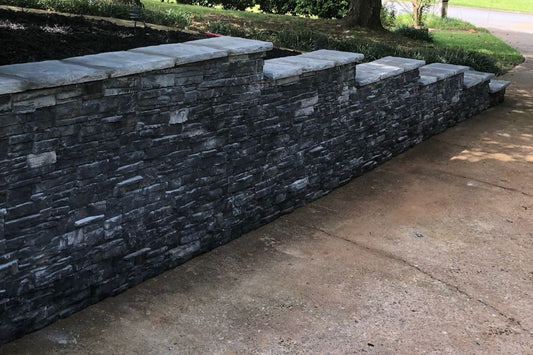
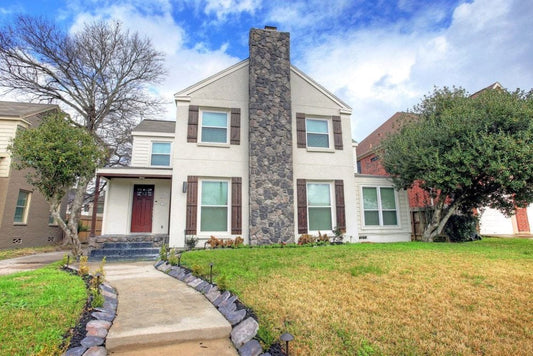
Columns, chimneys, outdoor kitchens, and other architectural features can also benefit from the appearance of castle rock veneer. Used consistently across selected elements, the stone can connect a home's exterior architecture with its landscaping and outdoor living areas. However, manufactured stone veneer is a finish material rather than a substitute for structural construction. Retaining walls, foundations, and other load-bearing or soil-contact applications require appropriate systems and materials designed for those purposes.
How to Design With Castle Rock Stone Veneer
Because hackett stone has a strong visual presence, the surrounding materials play an important role in the finished design. Wood is a natural complement because its warmth balances the stone's rugged texture. Timber beams, wood siding, entry doors, and porch ceilings can soften the overall appearance while reinforcing a traditional or mountain-inspired aesthetic.
For a more contemporary look, consider pairing the stone with dark metal details, simple trim, large windows, and restrained landscaping. Neutral stone colors provide a versatile foundation for these combinations, allowing the texture to stand out without competing with too many other finishes.
Color coordination should account for the entire exterior or interior rather than the stone alone. Roofing, siding, grout, trim, flooring, and nearby hardscape materials all influence how the finished color will appear. Viewing a physical sample alongside these materials is a useful way to evaluate undertones and contrast before committing to a larger installation.
Lighting deserves similar consideration. Exterior wall lighting can emphasize the stone's contours after sunset, while interior accent lighting can highlight the texture of a fireplace or feature wall. Directional lighting tends to create more pronounced shadows, whereas softer, more diffuse lighting produces a subtler effect.
It is also worth considering the scale of the installation. The larger shapes associated with castle rock veneer can look particularly effective on broad exterior walls, substantial fireplaces, and prominent architectural features. On smaller surfaces, the surrounding design should provide enough visual breathing room for the stone's texture and irregularity to remain a feature rather than an overwhelming element.
Hackett Stone vs. Other Manufactured Stone Veneer Styles
Castle rock, stacked stone, ledgestone, and fieldstone each create a different visual effect. Understanding these differences makes it easier to select a profile that suits the architecture and overall design goals.
Castle rock emphasizes substantial shapes, rugged texture, and a combination of structure and irregularity. Its appearance evokes traditional stone masonry and works especially well when a project calls for an established, architectural feel.
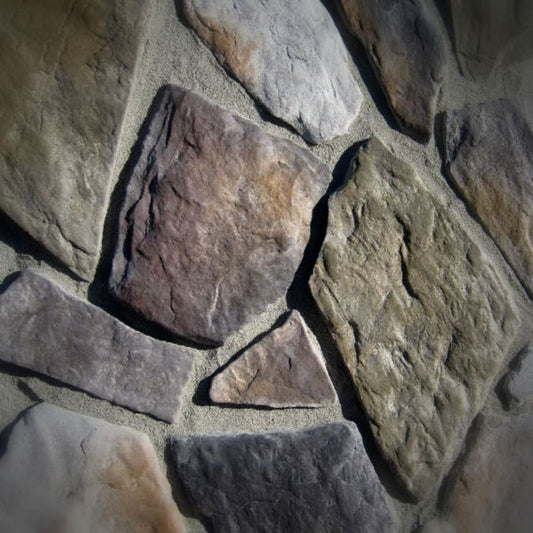
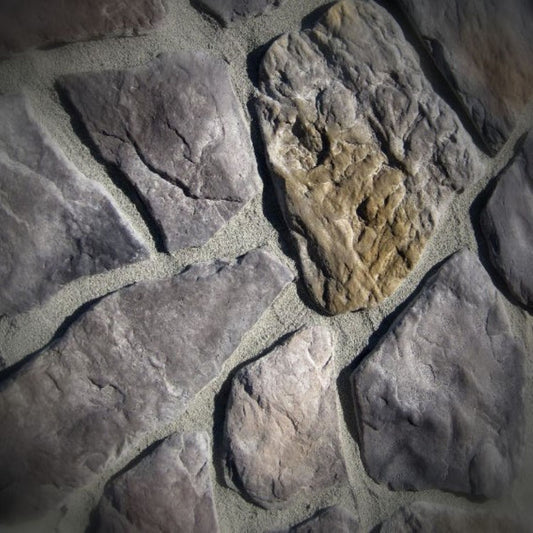
Stacked stone typically uses individual stones fitted closely together with minimal, narrow joints. The arrangement emphasizes individual faces, varied shapes, and a tightly fitted appearance. Ledgestone, by comparison, features longer, thinner stones with pronounced horizontal coursing and strong linear lines. Fieldstone generally has a more organic appearance, with irregular shapes and a less structured arrangement.
The best choice depends on the intended result. Castle rock is a strong option for projects seeking the presence of large, hand-worked stones, while stacked stone and ledgestone suit designs that emphasize tighter joints or horizontal lines. Fieldstone may be preferable when a more irregular, natural-looking arrangement is desired.
Is Hackett Stone Durable and Easy to Maintain?
Quality manufactured stone veneer is designed for long-term use when the product is appropriate for the application and installed according to the manufacturer's instructions. Its cement-based construction provides a durable surface, while its suitability for exterior exposure depends on the specific product, installation details, climate, and surrounding conditions.
Proper installation is essential to long-term performance. The substrate, moisture-management system, flashing, drainage provisions, and mortar must be appropriate for the building and veneer system. Exterior installations require particular attention to water management so moisture does not become trapped behind the veneer or damage the underlying structure. Local building codes and manufacturer instructions should guide material selection and installation.
Routine maintenance is generally straightforward. Occasional inspection and gentle cleaning can help keep the stone looking its best. Cleaning methods should be compatible with the particular product, and harsh chemicals or aggressive cleaning techniques should be avoided unless specifically permitted by the manufacturer. Sealing is not automatically necessary for every application; if considered, the sealer should be suitable for cement-based veneer and the intended exposure.
Although manufactured stone veneer is designed to provide lasting performance, no material is entirely maintenance-free or immune to damage. Appropriate installation, drainage, exposure management, and care are important to preserving both the appearance and performance of the finished project.
What is Castle Rock Stone Veneer?
Castle rock stone veneer offers a distinctive way to combine the rugged beauty of historic masonry with the practical advantages of manufactured stone. Its substantial shapes, hand-chiseled textures, and versatile color options make it suitable for a variety of architectural styles and applications, from exterior facades to fireplaces and interior feature walls. For homeowners and professionals seeking the appearance of traditional castle stone without the weight and expense of full-thickness natural stone, it provides an appealing alternative. Black Bear Mountain Stone's hackett stone captures this timeless aesthetic, helping bring depth, character, and enduring style to your next project.
Frequently Asked Questions About What is Castle Rock Stone Veneer?
What is hackett stone?
Hackett stone is a manufactured stone veneer profile inspired by castle rock and traditional stone masonry. It features rugged textures, varied stone shapes, and a substantial appearance that recreates the character of historic stone walls.
Is hackett stone real stone?
No. Hackett stone is manufactured stone veneer, not quarried natural stone. It is made using Portland cement, lightweight aggregates, and iron oxide mineral pigments to reproduce the appearance and texture of natural stone.
Is castle rock manufactured stone veneer suitable for exterior walls?
Yes, a suitable manufactured stone veneer can be installed on exterior walls when the product is approved for that application and the installation follows manufacturer instructions and applicable building codes. Proper substrate preparation and moisture management are essential to long-term performance.
Can hackett stone be used around fireplaces?
Hackett stone can be used as a fireplace surround when the specific product and installation system are suitable for the application. Required clearances, heat exposure limitations, and fireplace manufacturer instructions must be followed. Veneer suitability does not automatically mean a material is approved for fireboxes or direct flame exposure.
How does castle rock veneer compare with natural stone?
Castle rock manufactured stone veneer recreates the appearance of substantial natural stone while generally weighing less and costing less than full-thickness natural stone. It can also be easier to handle and install, although actual project costs depend on the product, preparation, installation requirements, and labor.
What is the difference between castle rock and stacked stone veneer?
Castle rock veneer emphasizes larger, rugged stone shapes that evoke historic masonry, while stacked stone typically features individual stones fitted closely together with minimal joints. Castle rock creates a more substantial, old-world appearance, whereas stacked stone generally produces a tighter, more closely fitted look.
What's Next?
Enhance your space with our beautiful stone veneer! Shop now to explore our collection or order a sample today to see the quality for yourself!
Have a Question?
Please see our full terms of service or check out our frequently asked questions.
For general information and questions please call: (864) 882-8960 Mon. - Fri. 8am - 5pm (EST) or email: info@blackbearmountainstone.com we are more than happy to help you.
Or you can submit your questions via our contact us page.
We look forward to working with you on your upcoming project.
The Black Bear Mountain Stone Team
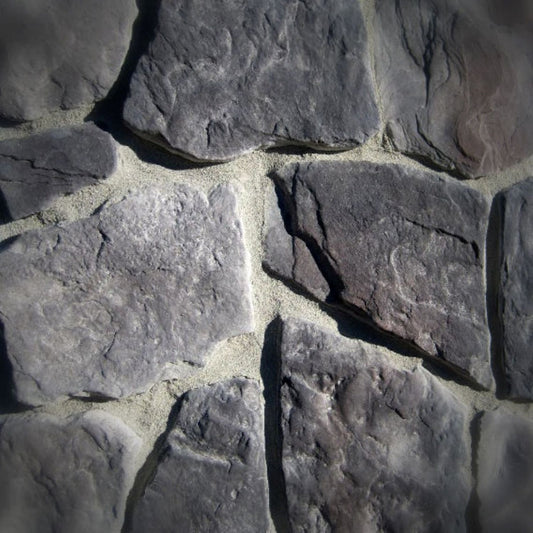
Pictured is hackett stone ozark.