

What is Limestone Manufactured Stone Veneer? Benefits, Colors, and Uses
Share
Originally posted December 9, 2024, updated April 22, 2026.
Limestone manufactured stone veneer is a cement-based building material designed to replicate the natural appearance of limestone. Made from Portland cement, lightweight aggregates, and iron oxide mineral pigments, it offers the timeless look of limestone with less weight, consistent sizing, and typically lower material and installation costs than natural stone. It can be used on a variety of interior and exterior walls, fireplace surrounds, foundations, and outdoor living features when installed according to manufacturer guidelines.
Limestone has long been valued for its understated elegance, soft neutral colors, and natural texture. From traditional stone homes to contemporary architectural designs, its subtle variations and refined appearance create a timeless look that complements a wide range of materials and finishes. However, natural limestone can be expensive to purchase, transport, and install, and its weight may require additional structural considerations.
Limestone manufactured stone veneer offers another way to achieve this classic appearance without using quarried limestone. Designed to reproduce the surface details, shapes, and color variations of natural stone, it combines the visual appeal of limestone with the practical advantages of a manufactured product.
Whether you are updating an exterior facade, building a fireplace surround, or adding texture to an interior accent wall, manufactured limestone veneer provides a versatile option for residential and commercial projects.
What is Limestone Manufactured Stone Veneer?
Limestone manufactured stone veneer is a decorative cladding material designed to resemble natural limestone. Rather than being quarried from the earth, it is produced using molds that capture the textures, contours, and irregularities of natural stone. These details help create the realistic appearance of limestone while allowing manufacturers to produce stones in more consistent shapes and thicknesses.
The material is made from Portland cement, lightweight aggregates, and iron oxide mineral pigments. During manufacturing, these ingredients are formed into stone shapes and finished to achieve the desired appearance. Color, texture, and surface details vary by profile, allowing manufacturers to create styles that resemble different types of limestone, from smooth, refined blocks to more rugged and weathered surfaces.
Unlike natural limestone, which is cut from quarried material, manufactured stone veneer is designed for installation as a facing over an appropriate wall assembly. Its reduced weight makes it suitable for many applications where full-thickness stone would be impractical.
Although manufactured stone veneer is not actual limestone, a well-designed profile can capture the character of natural stone while providing greater consistency and flexibility for construction and remodeling projects.
The Timeless Appeal of Limestone
One of limestone's greatest strengths is its ability to complement different architectural styles without overwhelming the design. Its natural palette often includes cream, ivory, beige, light gray, and warm earthy tones. These colors work well alongside wood, brick, metal, glass, and other common building materials.
For traditional homes, limestone creates a classic appearance associated with established masonry architecture. It can add visual weight to an entryway, give a foundation a more finished appearance, or bring character to columns and exterior walls.
In contemporary homes, lighter limestone-inspired colors can create a clean, understated finish. Paired with simple lines, large windows, and contrasting materials, limestone veneer can add texture without making a space feel overly rustic or ornate.
The material also works well indoors. A limestone accent wall can introduce warmth to a living room, while a fireplace surround can become a focal point without requiring the visual complexity of more heavily textured stone profiles.
Because limestone-inspired veneer is available in different colors and textures, the right selection depends on the desired architectural style, surrounding materials, lighting, and overall design.
The Benefits of Manufactured Limestone Veneer
One of the primary advantages of manufactured stone veneer is its lighter weight compared with full-thickness natural stone. Natural limestone can be heavy, requiring additional structural support and specialized handling depending on the project. Manufactured veneer reduces that burden and can be installed on suitable wall assemblies without the same demands associated with many full-thickness stone applications.
Cost is another consideration. Manufactured limestone veneer is typically less expensive than natural limestone when comparing material and installation costs. The final price depends on the selected profile, project size, installation complexity, shipping, and local labor rates. Because the product is lighter and generally more consistent in thickness, handling and installation may also be more straightforward.
Manufactured veneer provides greater control over sizing and appearance, too. Natural stone varies in shape, color, and thickness, which can make layout and installation more time-consuming. Manufactured stone offers a more predictable product while retaining variations in color and surface texture that help create a natural-looking finished wall.
The availability of different profiles and colors also gives homeowners, builders, and designers more flexibility when coordinating stone with siding, brick, trim, roofing, and other finishes.
These advantages make manufactured limestone veneer an appealing option for projects where the look of limestone is desired without the additional expense, weight, or installation demands that may accompany natural stone.
Limestone Veneer Colors, Textures, and Design Options
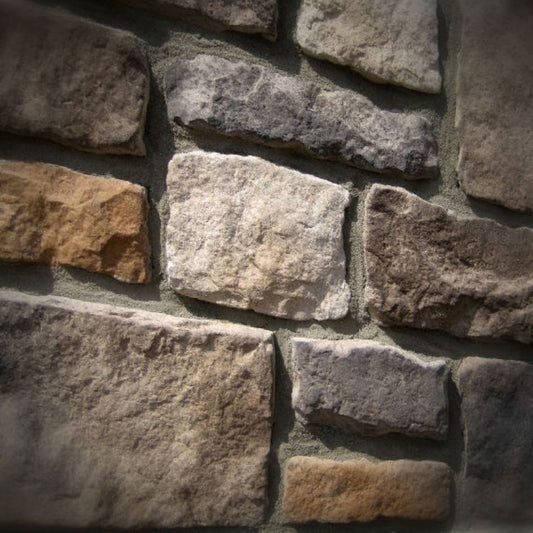
Color and texture have a significant influence on how limestone veneer looks once installed. Light cream and ivory shades can brighten a facade or create a soft, welcoming interior. Beige and tan tones introduce warmth, while gray and mixed-neutral blends can provide a more contemporary appearance.
The surrounding architecture should guide the color selection. A light limestone profile can contrast with dark window frames or a darker roof, while a warmer blend may coordinate naturally with wood siding and earth-toned landscaping. For interior applications, consider how natural and artificial lighting affect the stone's appearance throughout the day.
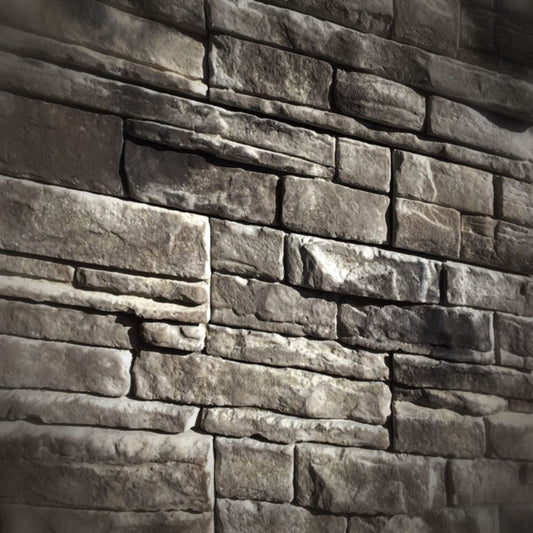
Texture is equally important. More uniform surfaces can create a refined, traditional masonry appearance, while irregular faces and varied edges add depth and visual interest. The size and arrangement of individual stones also affect the finished look, influencing whether a wall feels formal, rustic, or modern.
Before choosing a profile, consider ordering a physical sample. Images can help narrow the options, but they cannot fully represent the actual texture, depth, and color variation of manufactured stone veneer. Viewing a sample alongside your siding, paint, flooring, cabinetry, or other finishes can help you make a more confident decision.
Where Can Limestone Manufactured Stone Veneer Be Used?
Manufactured limestone veneer is suitable for a wide range of interior and exterior applications when the selected product and wall assembly are appropriate for the intended use.
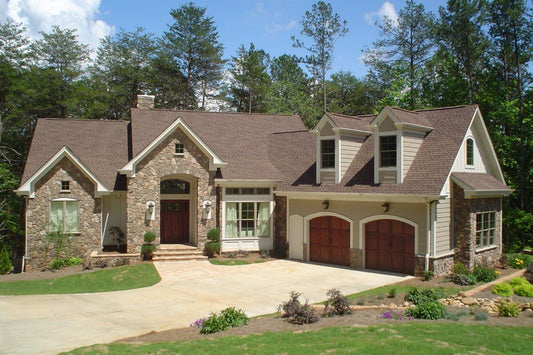
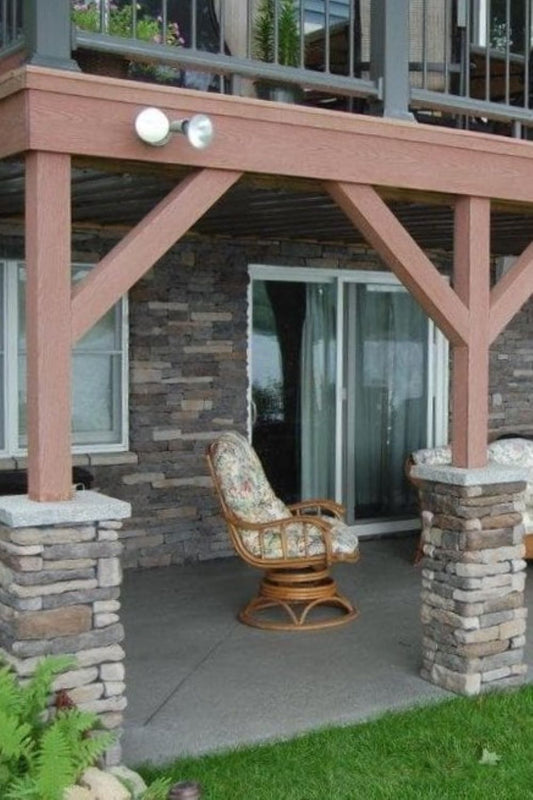
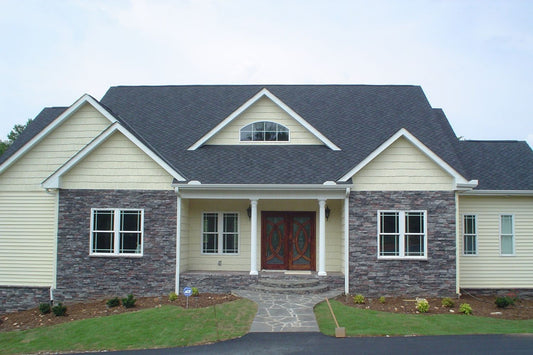
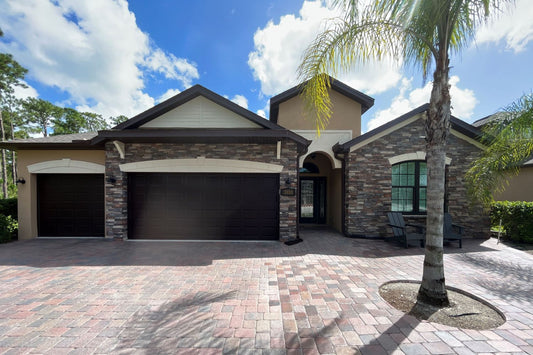
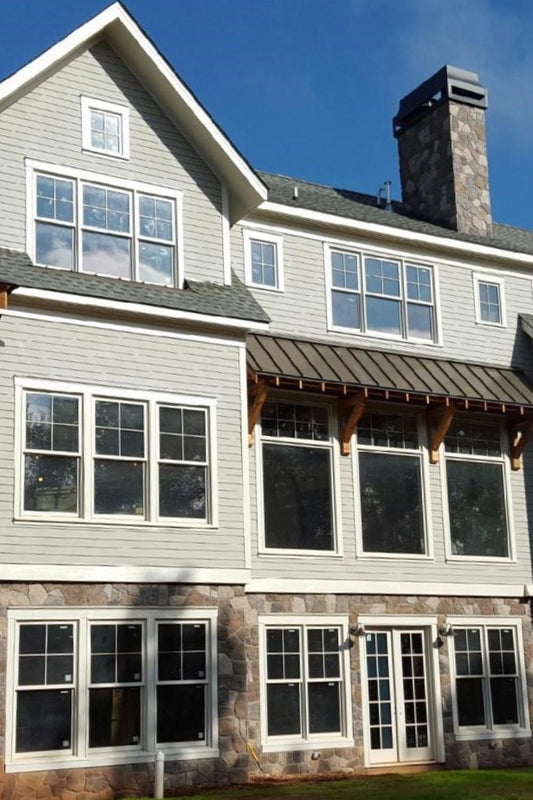
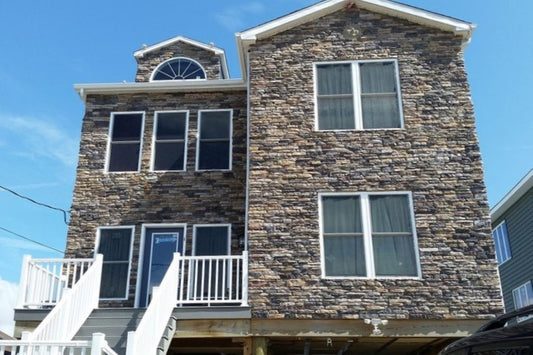
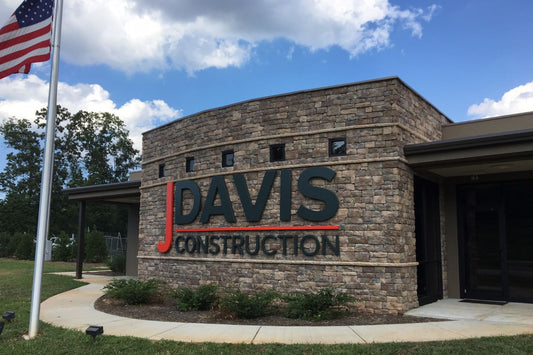
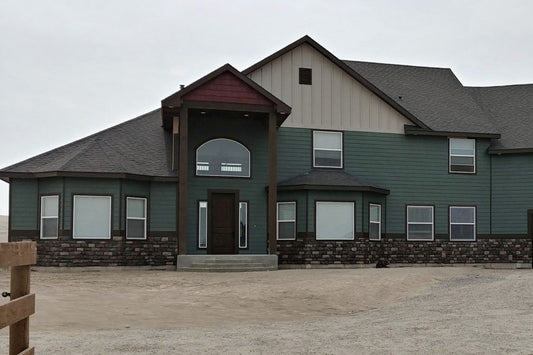
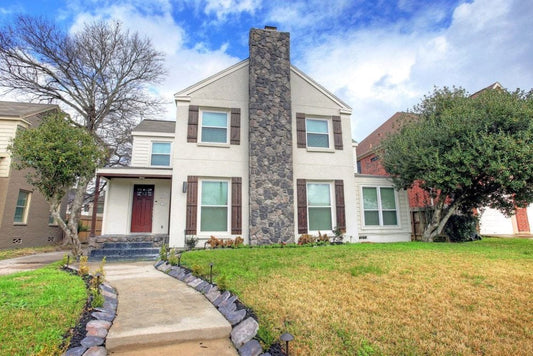
On exterior walls, limestone veneer can transform an ordinary facade into a more distinctive architectural feature. It is frequently used on front elevations, entryways, columns, and sections of exterior walls to create contrast and improve curb appeal. Foundation walls are another common application. Adding stone veneer can give an exposed foundation a more finished appearance and visually connect the house to its surrounding landscape. The installation must account for required ground clearances, moisture management, and substrate suitability.
Stone veneer can also be combined with siding, brick, stucco, or other exterior finishes. Using limestone-inspired veneer on selected sections rather than the entire facade can create architectural interest while keeping the overall design balanced.
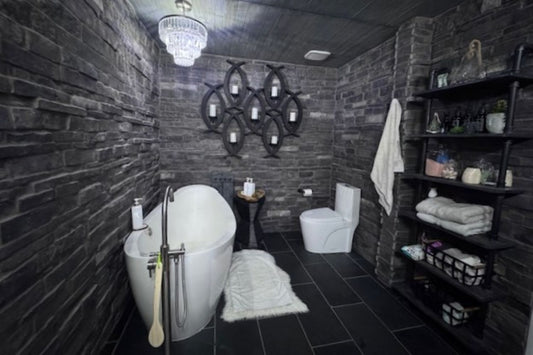
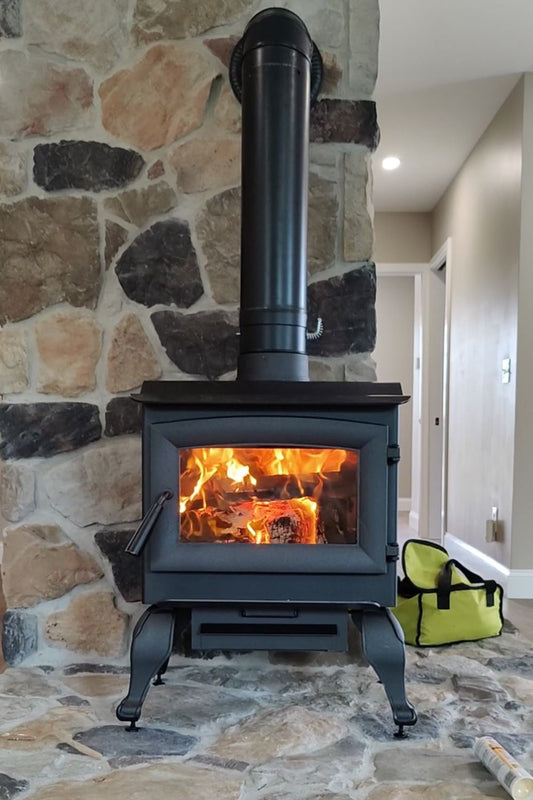
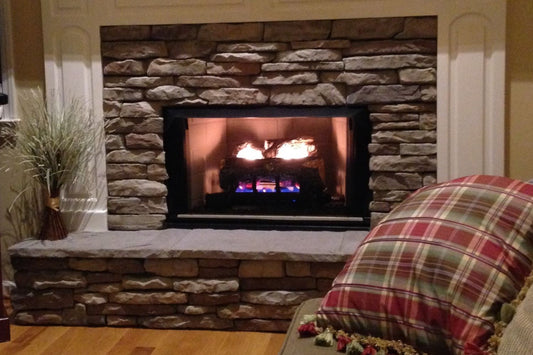
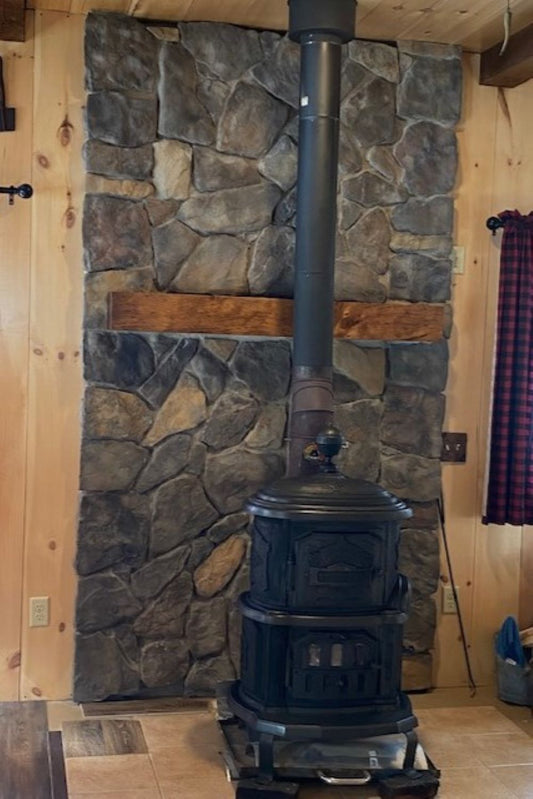
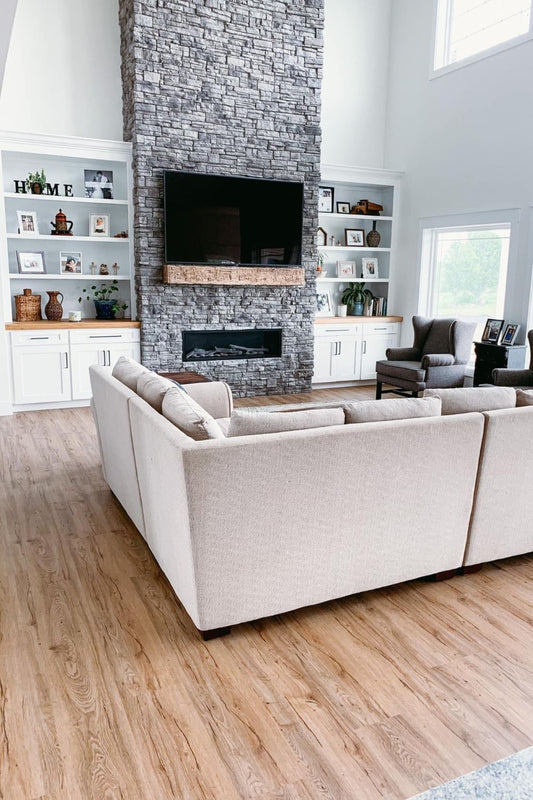
Inside the home, manufactured limestone veneer introduces natural-looking texture without the weight and cost of full-thickness stone. Fireplace surrounds are a popular application because limestone's understated appearance works with both traditional mantels and contemporary fireplace designs. It can also be used on living room feature walls, entryways, dining areas, and other vertical surfaces where additional depth and character are desired.
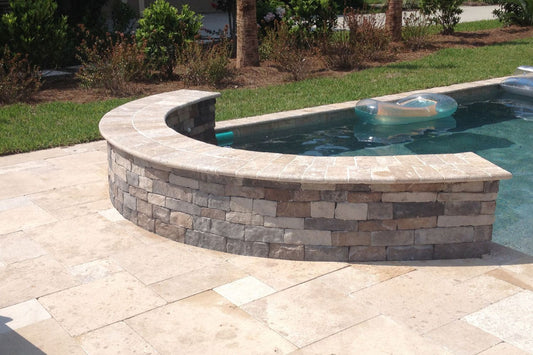
Outdoor living spaces offer additional design possibilities. Depending on the product and installation design, manufactured limestone veneer may be used on outdoor kitchen facades, vertical garden walls, exterior fireplace surrounds, and other architectural features. For these applications, exposure to rain, temperature changes, and freeze-thaw conditions makes proper installation particularly important.
Manufactured stone veneer is a facing material, not a substitute for a structural retaining wall or a walking surface. The intended application must be compatible with the product's limitations and installation instructions.
Durability and Maintenance of Limestone Veneer
Manufactured stone veneer is designed to provide long-lasting performance when installed correctly. Its cement-based composition makes it suitable for many indoor and outdoor wall applications, but durability depends on more than the stone itself. Substrate stability, moisture management, installation quality, environmental exposure, and ongoing maintenance all influence the life of the finished installation.
Exterior installations require particular attention to water management. Stone veneer and mortar joints should not be treated as a waterproof barrier. The wall assembly must incorporate appropriate weather-resistive layers, drainage provisions, flashing, and other protective details required for the construction type and local building codes.
Routine maintenance is generally straightforward. Gentle cleaning with an appropriate method can remove ordinary dirt and surface debris. Harsh chemicals, acidic cleaners, and aggressive cleaning techniques should be avoided unless specifically permitted by the product manufacturer.
Sealing is not always necessary. When additional protection is desired, a breathable, penetrating sealer compatible with cement-based manufactured stone veneer may be appropriate. Test the sealer on a sample first, because some products can alter the stone's color or surface appearance.
With proper installation and reasonable care, manufactured limestone veneer can retain its appearance for decades.
Installation Considerations for Limestone Manufactured Stone Veneer
Although manufactured limestone veneer is generally easier to handle than full-thickness natural stone, successful installation still requires careful preparation and attention to detail.
The substrate must be stable and suitable for the intended veneer system. Requirements differ depending on whether the installation is over wood framing, masonry, concrete, or another approved assembly. Some substrates require a weather-resistive barrier, metal lath, a mortar scratch coat, or other preparation before the stone can be installed. A surface that appears solid is not necessarily ready for direct stone application.
Type S mortar is commonly used for manufactured stone veneer installations, but the selected product's installation instructions and applicable building requirements should determine the appropriate materials and method. Construction adhesive or glue should not be substituted for the required mortar installation system.
Stone placement also affects the finished appearance. Varying the shapes, sizes, and colors of individual stones can help create a balanced layout and avoid noticeable repetition. Proper joint detailing, where applicable, contributes to the appearance and quality of the finished wall.
Because installation requirements vary, homeowners should consult the stone manufacturer, a qualified installer, and local building officials before beginning a project.
Manufactured Limestone Veneer vs. Natural Limestone
The choice between manufactured and natural limestone depends on the project's design goals, budget, structural requirements, and preferences.
Natural limestone is quarried stone with geological variations in color, texture, and composition. It offers the characteristics of authentic natural material, but the cost, weight, and installation requirements can make it less practical for some applications.
Manufactured limestone veneer is engineered to reproduce the appearance of natural limestone using cement, lightweight aggregates, and mineral pigments. It offers more consistent sizing, reduced weight, and typically lower overall material and installation costs. It also provides flexibility in selecting colors and profiles for a particular design.
Neither option is automatically the best choice for every project. Homeowners who specifically want quarried limestone may prefer natural stone, while those seeking a similar aesthetic with more manageable weight and cost may find manufactured veneer better suited to their needs.
Comparing samples, installation requirements, and total project costs can help determine which material provides the best fit.
What is Limestone Manufactured Stone Veneer?
Limestone manufactured stone veneer brings together the classic appearance of natural limestone and the practical advantages of a lightweight, cement-based cladding material. With a variety of colors, textures, and applications, it can complement traditional architecture, modern homes, and outdoor living spaces alike.
Whether you are updating a foundation, creating a fireplace focal point, or adding dimension to an exterior facade, choosing the right limestone-inspired profile can help you achieve the desired look while keeping installation requirements and project costs in perspective.
Frequently Asked Questions About What is Limestone Manufactured Stone Veneer?
Is manufactured limestone veneer real limestone?
No. Manufactured limestone veneer is not quarried limestone. It is made from Portland cement, lightweight aggregates, and iron oxide mineral pigments, then molded and finished to replicate the appearance and texture of natural limestone.
Is manufactured limestone veneer cheaper than natural limestone?
Manufactured limestone veneer is typically more affordable than natural limestone. Its lower weight and more consistent sizing can reduce shipping, handling, and installation costs. Actual project costs vary depending on the profile, quantity, labor, and site requirements.
Can limestone manufactured stone veneer be used outdoors?
Yes. Suitable manufactured stone veneer can be installed on exterior walls, foundations, entryways, and other approved vertical applications. Proper substrate preparation, moisture management, flashing, drainage, and compliance with the manufacturer's installation instructions are essential.
Does manufactured limestone veneer need to be sealed?
Not necessarily. Sealing is optional for many applications, but it may provide additional protection against moisture or staining in certain environments. If a sealer is used, choose a breathable product specifically compatible with manufactured stone veneer and test it before applying it to the entire installation.
How long does manufactured limestone veneer last?
When properly installed and maintained, manufactured stone veneer can last for decades. Its long-term performance depends on installation quality, substrate stability, moisture management, weather exposure, and compliance with the manufacturer's guidelines.
Can manufactured limestone veneer be used around a fireplace?
Yes. Manufactured stone veneer is commonly used on fireplace surrounds when the product and complete assembly are suitable for the application. Follow the fireplace manufacturer's clearance and installation requirements, and do not assume that a noncombustible veneer is automatically fire-rated or suitable for direct flame exposure.
What's Next?
Bring your design dreams to life with our stunning stone veneer! Shop now to explore our collection or order a sample today to see the quality for yourself!
Have a Question?
Please see our full terms of service or check out our frequently asked questions.
For general information and questions please call: (864) 882-8960 Mon. - Fri. 8am - 5pm (EST) or email: info@blackbearmountainstone.com we are more than happy to help you.
Or you can submit your questions via our contact us page.
We look forward to working with you on your upcoming project.
The Black Bear Mountain Stone Team
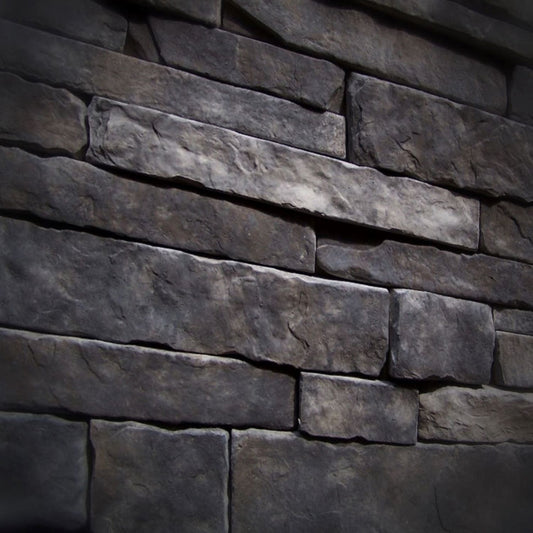
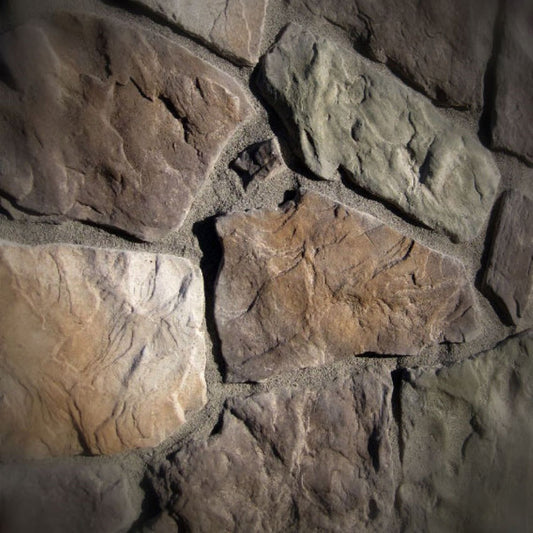
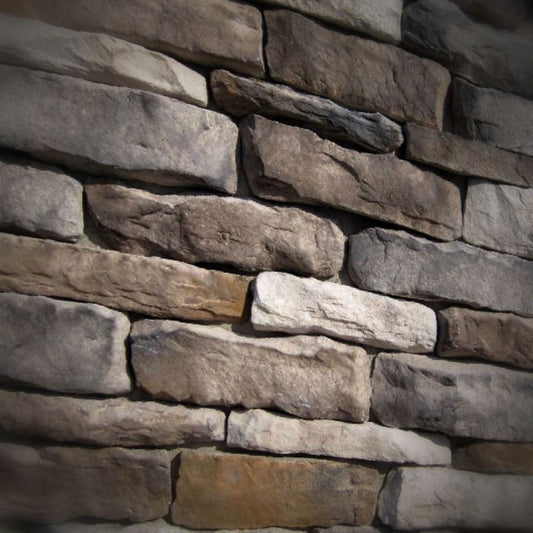
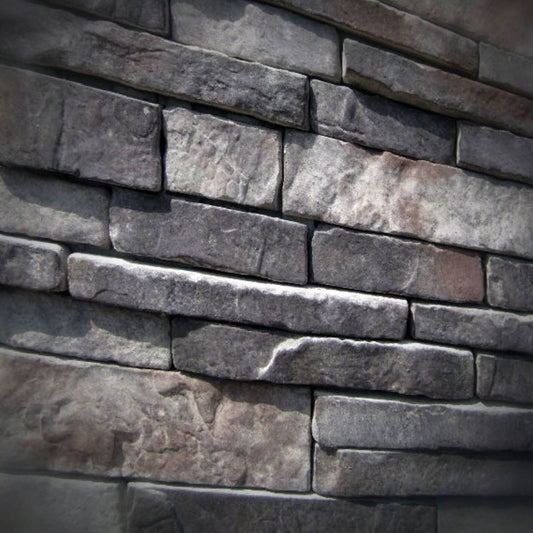
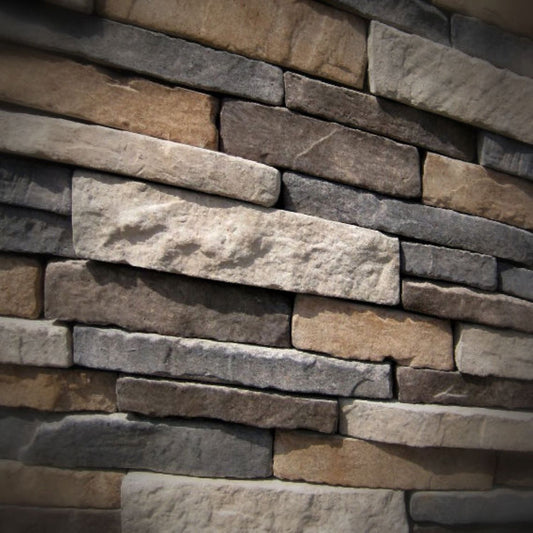
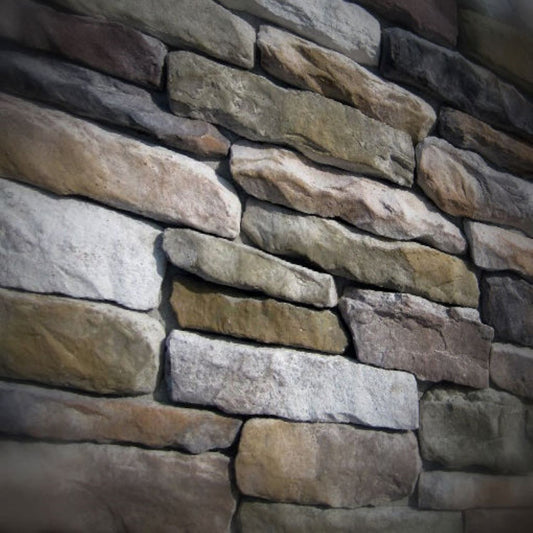
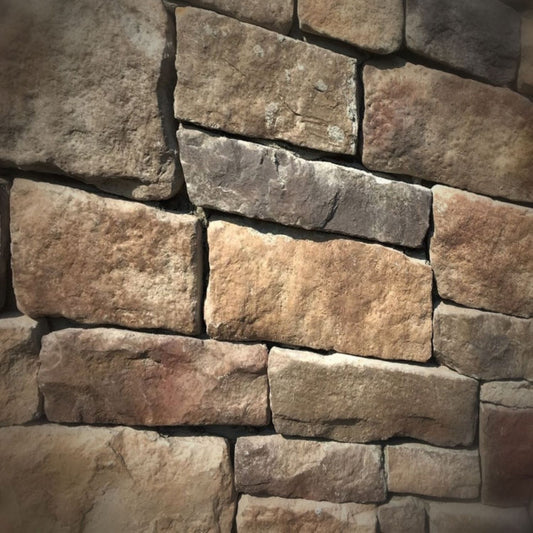
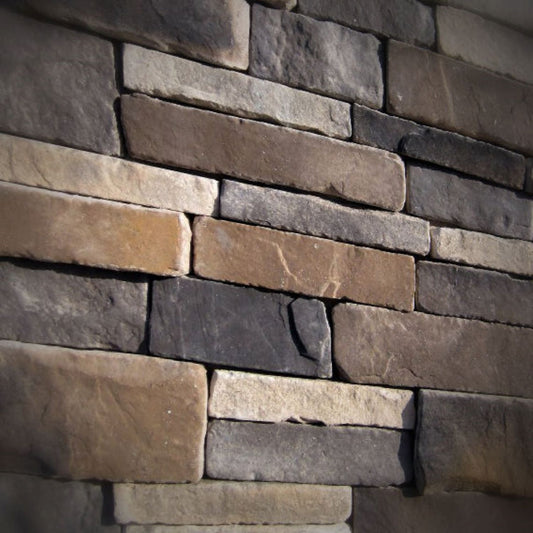
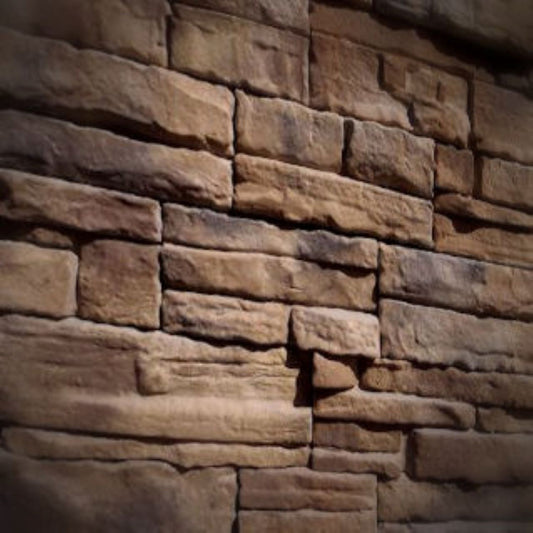
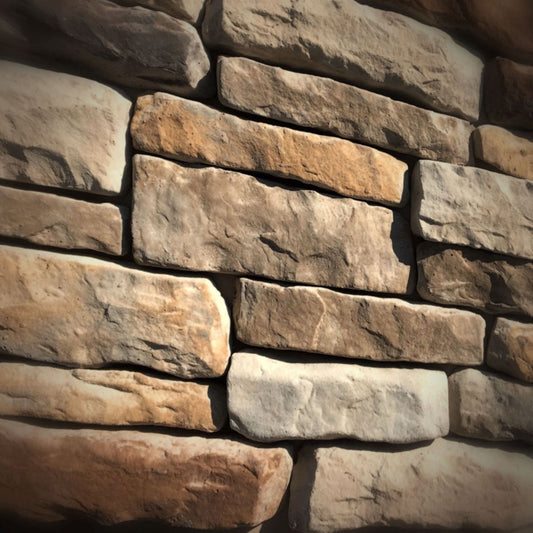
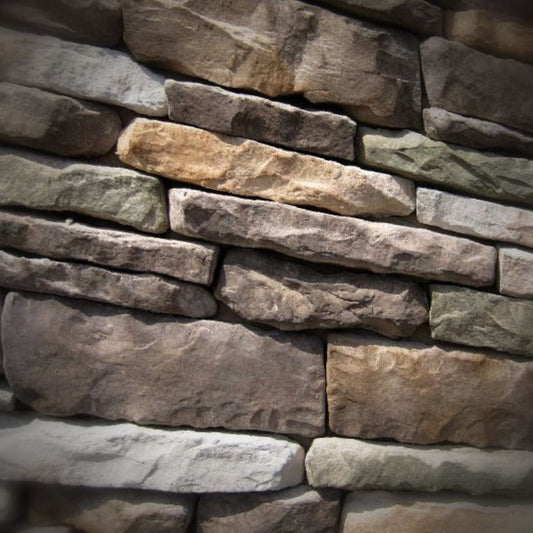
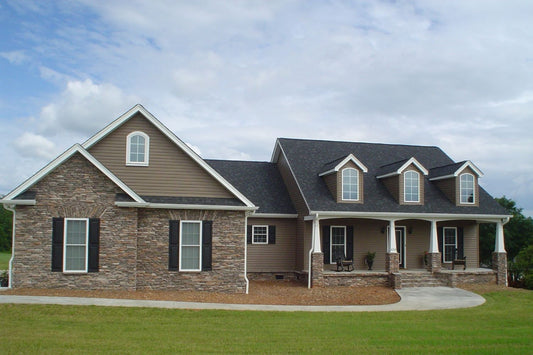
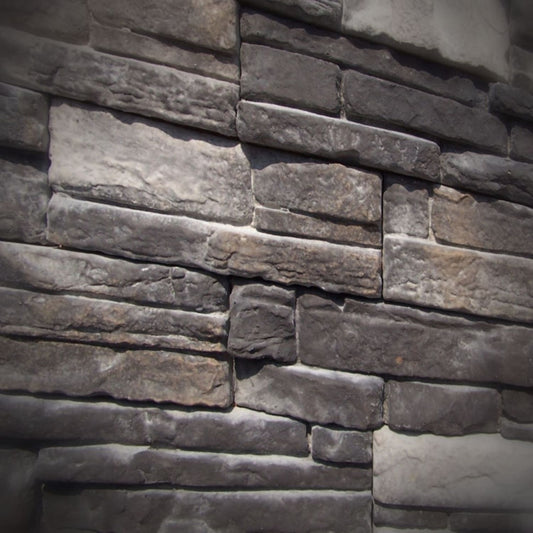
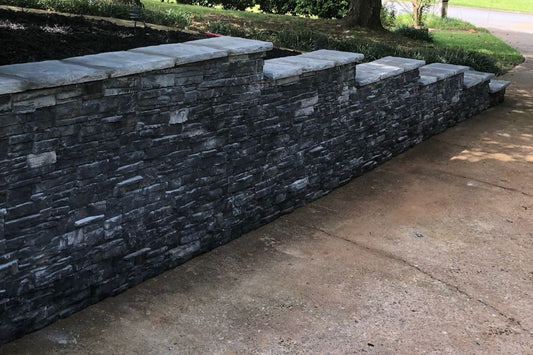
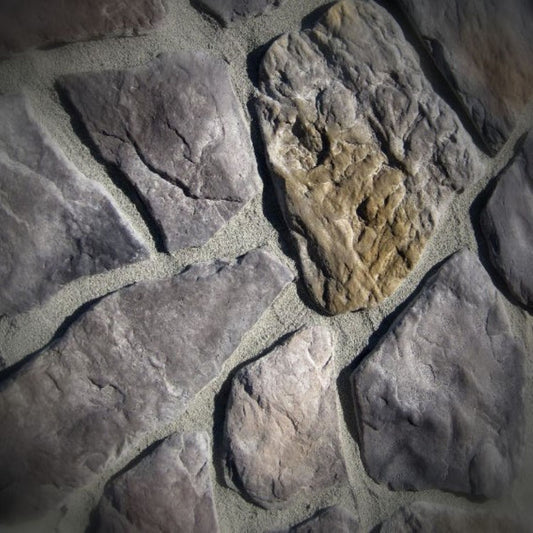
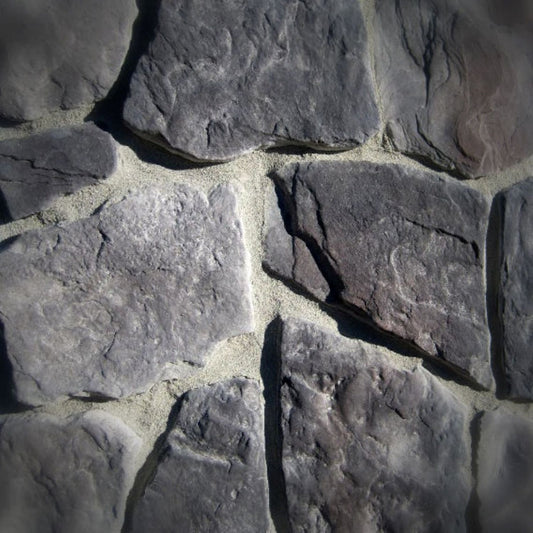
Pictured is lime stone tuscany.



2 comments
Select comment
Hi Lauren,
Thank you for your question and interest in our stone veneer.
Our stone veneer is suitable for interior and exterior installations.
Please let us know if you have any more questions!
Limestone for outside wall