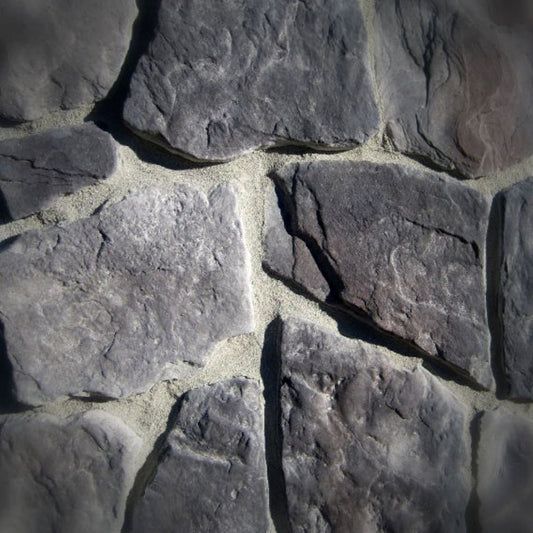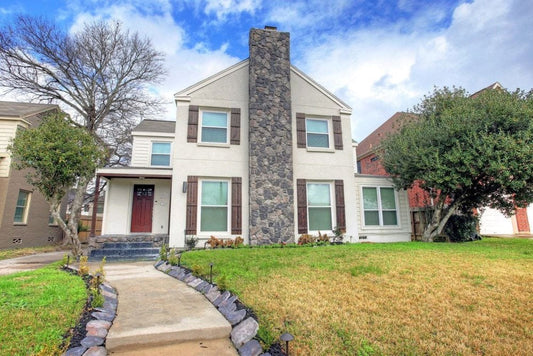

Brown Stone Veneer
Share
Originally posted November 19 2024, updated March 22 2026.
Brown manufactured stone veneer offers the natural warmth of earthy tones, from beige to deep chocolate, while being lightweight, cost-effective, and durable. Perfect for fireplaces, accent walls, exterior facades, and outdoor living spaces, it’s easy to install, low-maintenance, and designed to last for decades. Its versatile color and texture blend with a variety of styles, making it a top choice for homeowners, builders, and designers.
Brown manufactured stone veneer continues to be one of the most popular choices for homeowners, designers, and builders looking to create warm, inviting spaces with lasting visual appeal. Whether used in a rustic exterior facade, a contemporary accent wall, or a classic fireplace surround, brown tones offer a natural aesthetic that feels both grounded and refined. This guide explores why brown manufactured stone veneer stands out, how to use it effectively, and what to expect in terms of performance, maintenance, and long-term value.
Why brown manufactured stone veneer is a top choice
Brown tones in stone veneer evoke the look of natural landscapes, making them an easy fit across a wide range of architectural styles. From traditional homes to modern builds, the color brown acts as a neutral foundation while still adding depth and character.
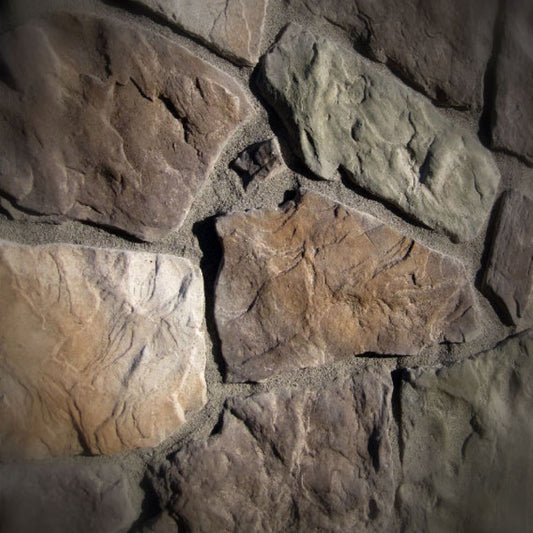
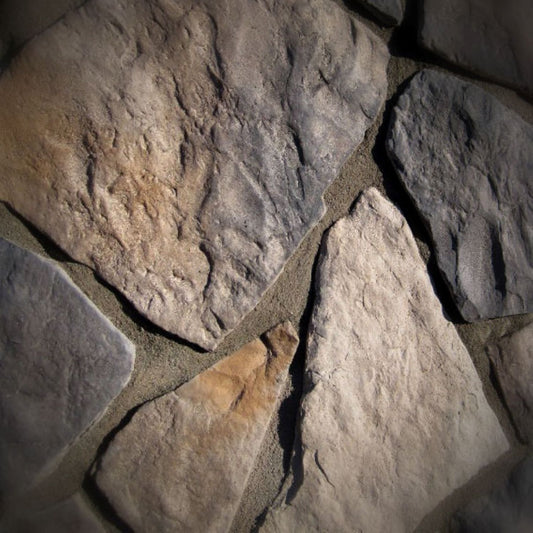
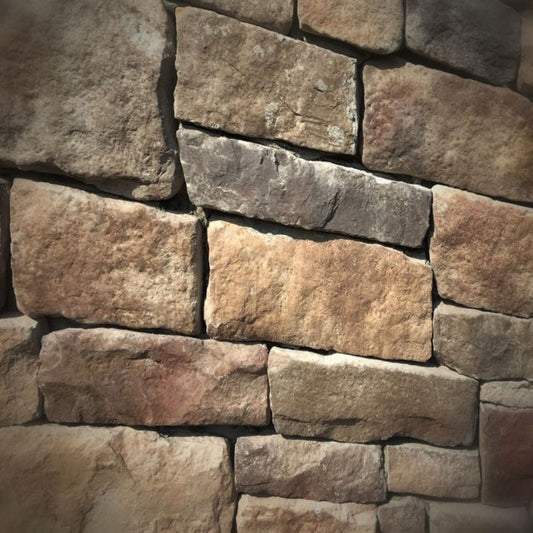
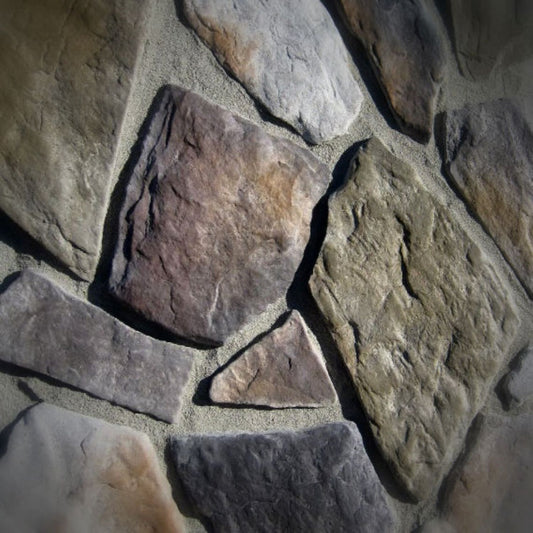
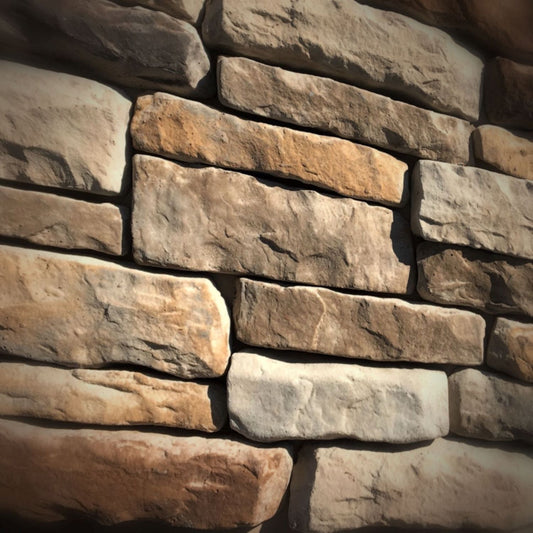
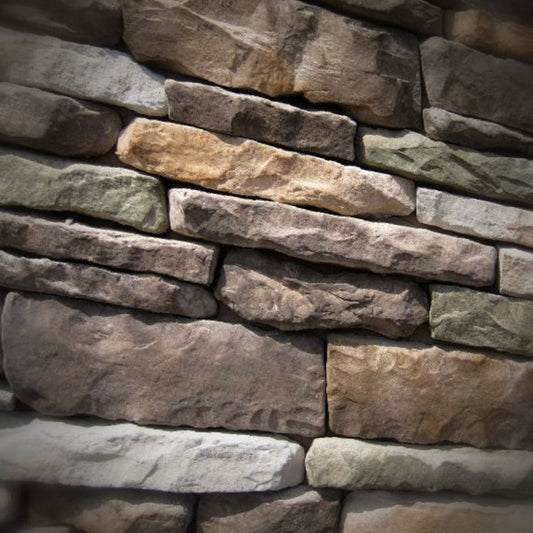
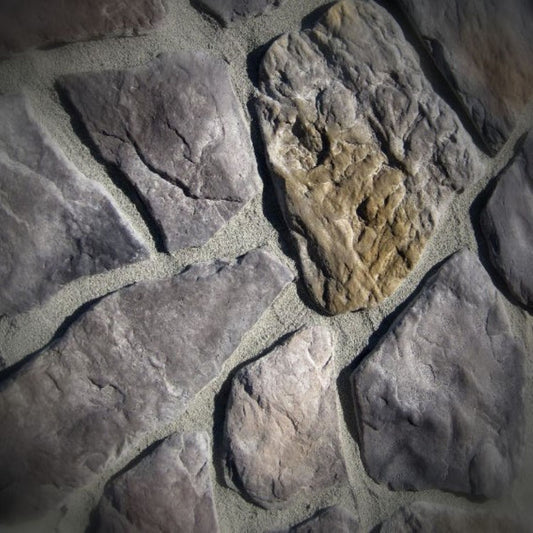
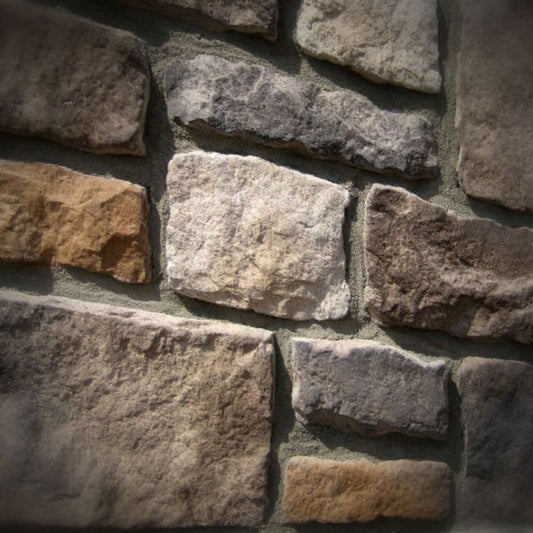
One of the primary reasons homeowners choose brown manufactured stone veneer is its ability to replicate the subtle variations found in real stone. During the manufacturing process, pigments are integrated into the material to create consistent yet natural-looking coloration. This results in a finish that avoids the unpredictability of quarried stone while still delivering an authentic appearance.
Another key advantage is versatility. Brown stone veneer works seamlessly with other common building materials such as wood, metal, glass, and concrete. It can soften modern designs, enhance rustic aesthetics, or add contrast to minimalist interiors. This flexibility makes it a reliable choice for both interior and exterior applications.
Cost is also a major factor. Manufactured stone veneer provides the look of natural stone at a significantly lower price point. Because it is lighter in weight, it is easier and faster to install, which reduces labor costs and structural requirements. For many projects, this combination of affordability and appearance makes it the most practical option.
Durability further strengthens its appeal. Manufactured stone veneer is engineered to withstand environmental stressors such as moisture, temperature fluctuations, and UV exposure. When properly installed, it resists cracking, chipping, and fading, making it suitable for long-term use in a variety of climates.
Design applications for brown stone veneer
Brown manufactured stone veneer can be used in nearly every part of a home or commercial space. Its natural tones allow it to blend into surroundings while still serving as a visual focal point.
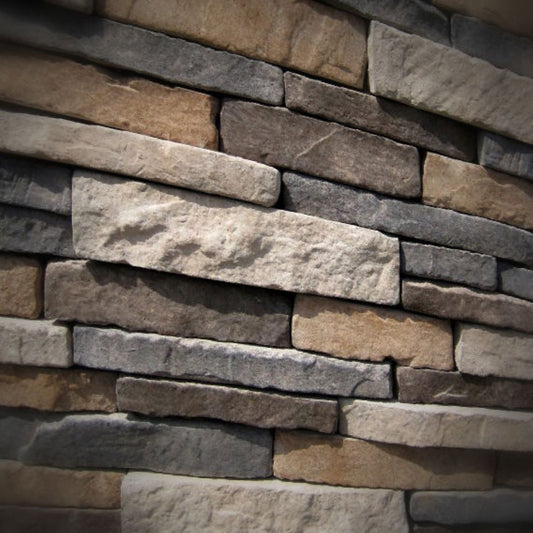
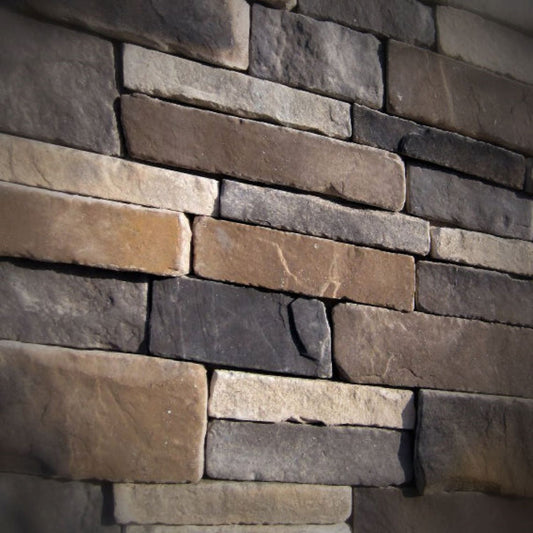
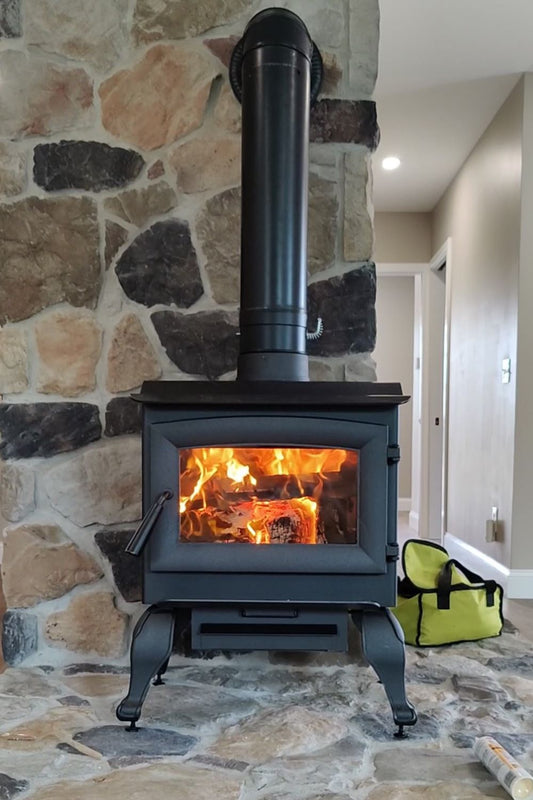
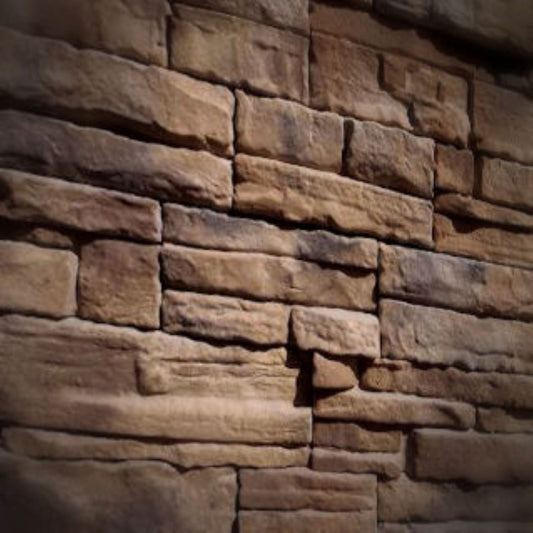
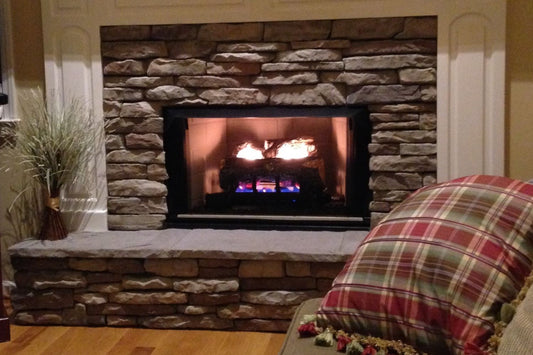
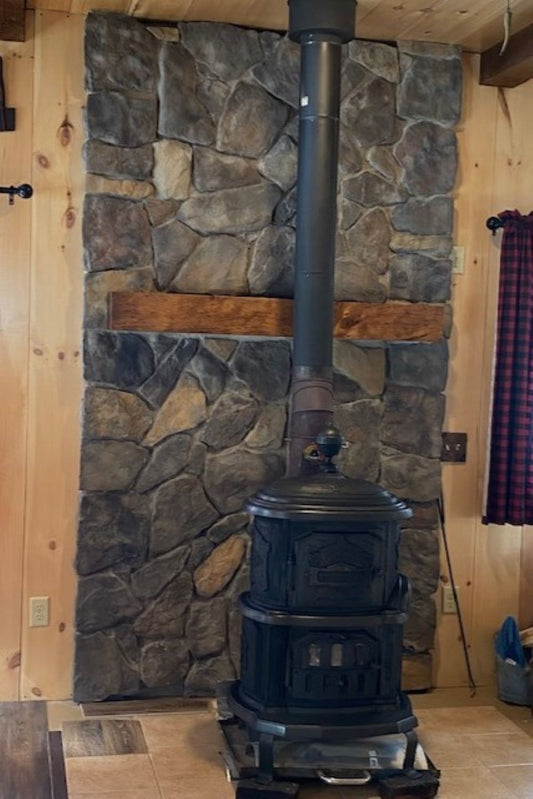
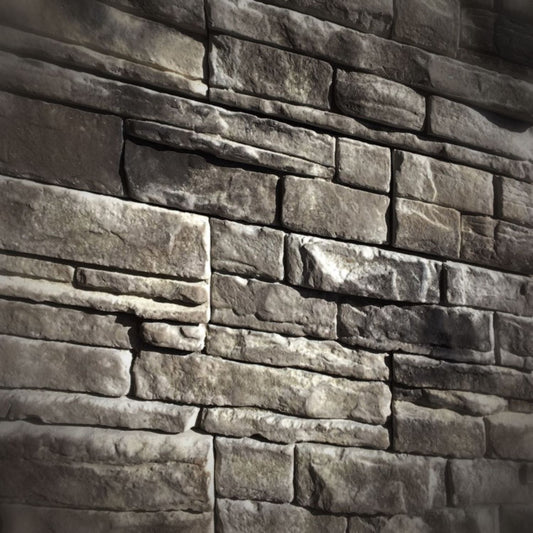
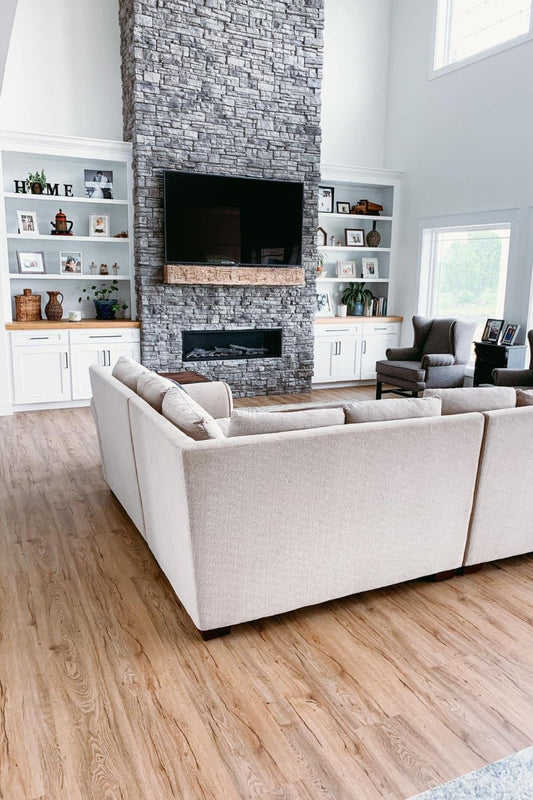
Fireplace surrounds are one of the most common applications. The warmth of brown tones enhances the ambiance of a fire, creating a cozy and inviting centerpiece. Whether you prefer a refined stacked stone look or a more rugged ledgestone profile, brown veneer adds texture and depth that elevates the entire room.
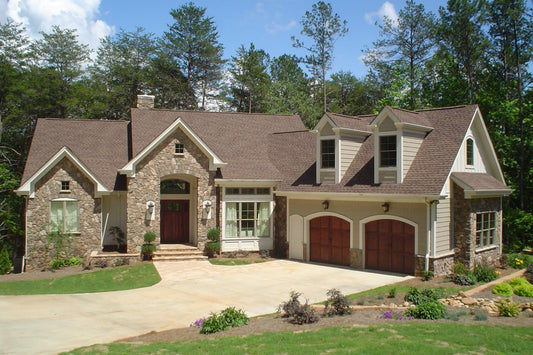
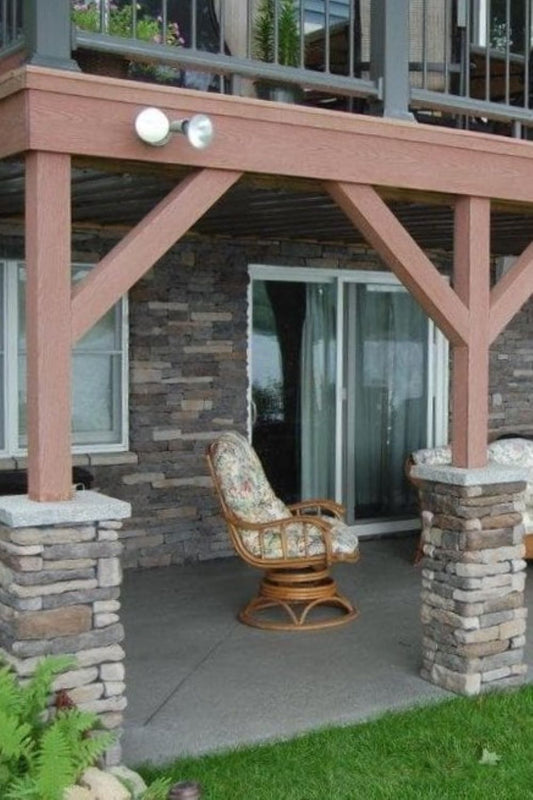
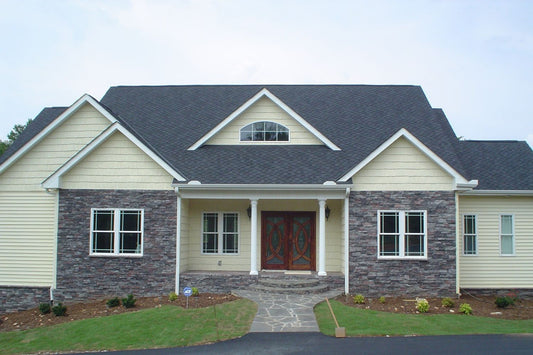
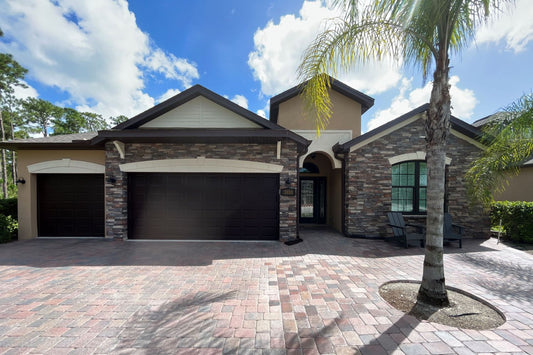
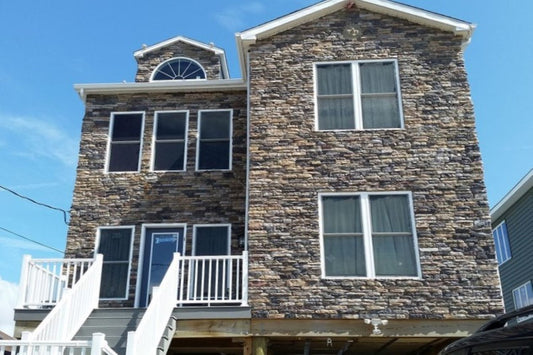
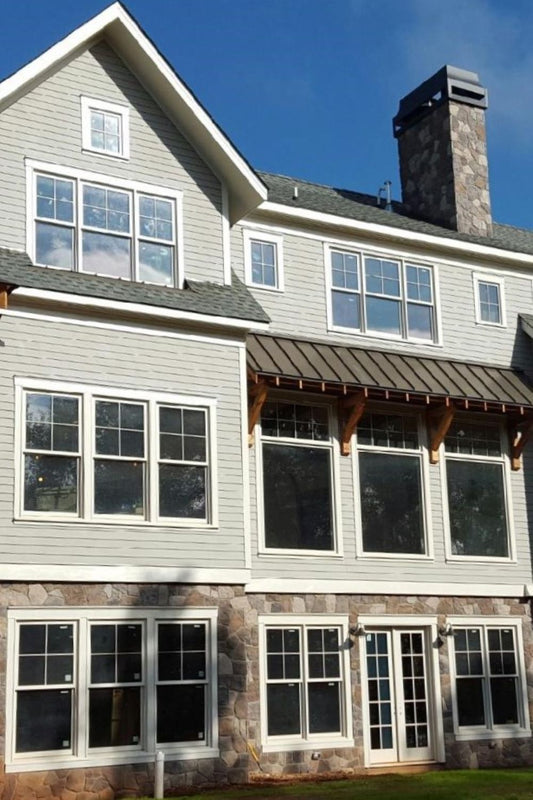
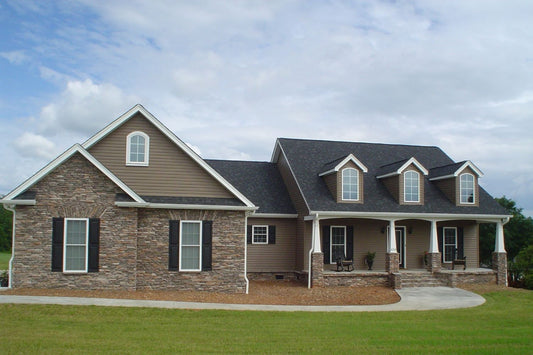
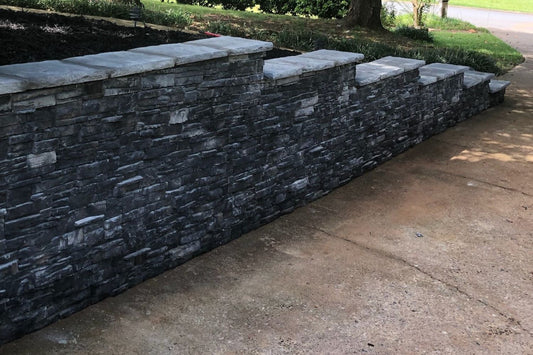
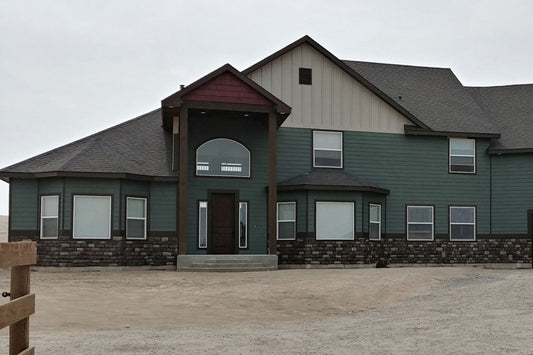
Exterior facades are another popular use. Brown stone veneer complements landscaping, roofing materials, and surrounding environments, making it especially effective in suburban and rural settings. It can be used as full cladding or as an accent around entryways, columns, and garage fronts to boost curb appeal.
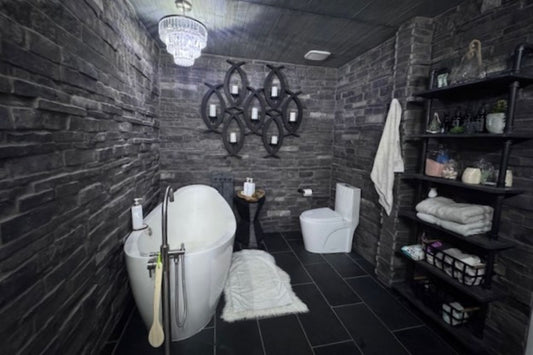
Interior accent walls offer a way to introduce natural texture without overwhelming a space. In living rooms, kitchens, and even bathrooms, brown stone veneer creates visual interest while maintaining a neutral palette. It pairs well with both warm and cool color schemes, making it easy to integrate into existing designs.
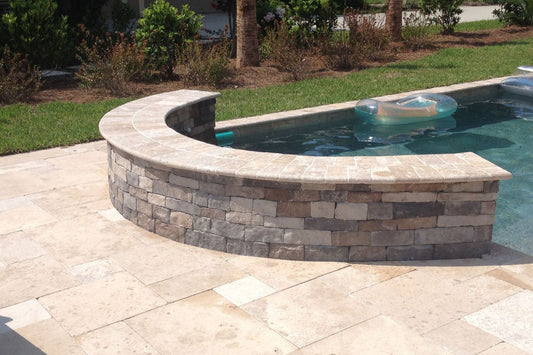
Outdoor living spaces benefit significantly from the use of brown stone veneer. Patios, outdoor kitchens, retaining walls, and fire features all gain a cohesive, natural look when finished with earthy stone tones. Because the material is designed to handle exposure to the elements, it performs well in these environments over time.
Choosing the right shade and style
Selecting the right shade of brown is an important step in achieving the desired look. Lighter tones such as sandy beige or taupe can make smaller spaces feel more open and airy, while darker shades like espresso or deep chocolate create contrast and visual weight.
Texture also plays a critical role. Rough, rugged profiles emphasize a natural, rustic appearance, while more uniform or linear styles lend themselves to contemporary designs. Mixing textures within a space can create balance, especially when paired with smoother materials like polished wood cabinetry or metal fixtures.
Lighting should not be overlooked. The way light interacts with stone veneer can dramatically affect its appearance. Warm lighting enhances the richness of brown tones, while directional lighting highlights texture and shadow, adding dimension to the surface. Thoughtful lighting design can transform the look of a stone veneer installation, especially in interior settings.
Performance and durability
Manufactured stone veneer is designed for long-term performance. It is built to resist many of the common issues associated with natural stone, including excessive weight, inconsistent coloration, and higher installation complexity.
In exterior applications, brown stone veneer holds up well against weather exposure. It can withstand freeze-thaw cycles when installed with proper drainage and moisture management systems. UV resistance ensures that the color remains stable over time, even in areas with significant sun exposure.
Indoors, the material is equally reliable. It does not warp or degrade under normal conditions, making it suitable for high-traffic areas and feature walls. When installed around fireplaces or heat sources, proper clearances and installation guidelines should be followed to ensure safety and longevity.
The longevity of manufactured stone veneer largely depends on installation quality. Using the correct substrate, moisture barrier, and mortar system is essential for preventing issues such as water intrusion or delamination. When installed according to manufacturer guidelines, the material can last for decades with minimal maintenance.
Maintenance and care
One of the biggest advantages of brown manufactured stone veneer is its low maintenance requirements. Unlike natural stone, it does not typically require sealing unless it is installed in areas prone to staining or heavy moisture exposure.
Routine cleaning is simple. A soft brush and a mild detergent are usually sufficient to remove dirt, dust, and surface debris. Harsh chemicals or pressure washing should be avoided, as they can damage the surface or affect the color.
In exterior settings, occasional rinsing with a garden hose can help maintain its appearance. For interior applications, periodic dusting or light cleaning will keep the surface looking fresh. Because the material is designed to resist staining, it performs well in busy households and commercial environments.
If additional protection is desired, especially in kitchens or outdoor areas, a breathable masonry sealer can be applied after installation has fully cured. This helps protect against moisture and staining while preserving the natural look of the stone.
Cost and value considerations
From a cost perspective, brown manufactured stone veneer offers strong value. Material costs are typically lower than natural stone, and installation is more efficient due to its lighter weight and standardized shapes.
The long-term value is equally compelling. Its durability reduces the need for repairs or replacement, while its timeless appearance helps maintain property value. Because brown tones are unlikely to go out of style, they provide a safe and lasting design choice for both residential and commercial projects.
Energy efficiency can also be an indirect benefit. When used as part of an exterior wall system, stone veneer can contribute to thermal mass and insulation performance, depending on the overall wall assembly. While it is not a primary insulation material, it can complement other building components to improve efficiency.
Common mistakes to avoid
While brown manufactured stone veneer is relatively straightforward to work with, certain mistakes can impact both appearance and performance. Poor surface preparation, inadequate moisture management, and incorrect mortar application are among the most common issues.
Choosing the wrong color or texture for the space can also lead to design challenges. It is important to consider surrounding materials, lighting conditions, and the overall aesthetic before making a final selection. Ordering samples and viewing them in the actual installation environment can help ensure the right choice.
Improper cleaning methods are another potential pitfall. Using abrasive tools or harsh chemicals can damage the surface and reduce its lifespan. Following manufacturer recommendations for maintenance is key to preserving the material’s appearance.
Frequently asked questions
1. What is brown manufactured stone veneer made of? Brown manufactured stone veneer is typically made from a blend of cement, lightweight aggregates, and iron oxide pigments that create realistic stone textures and colors.
2. Is brown stone veneer suitable for outdoor use? Yes, it is designed to withstand outdoor conditions, including moisture and temperature changes, when installed with proper drainage and weather-resistant barriers.
3. Does brown manufactured stone veneer fade over time? High-quality products are UV resistant and maintain their color for many years, especially when installed and maintained correctly.
4. Can brown stone veneer be installed on existing walls? It can often be installed over properly prepared surfaces such as concrete, masonry, or framed walls with appropriate backing materials and installation systems.
5. Do you need to seal brown manufactured stone veneer? Sealing is not always required but may be recommended in areas exposed to heavy moisture, stains, or harsh conditions to provide additional protection.
Brown stone veneer
Brown manufactured stone veneer combines natural beauty, practical performance, and cost efficiency in a way that few materials can match. Its warm, earthy tones make it a versatile design element that works across a wide range of applications, from fireplaces and accent walls to exterior facades and outdoor living spaces.
With proper installation and minimal maintenance, it offers long-lasting durability and timeless appeal. Whether you are planning a full renovation or a simple upgrade, brown stone veneer provides a reliable and visually striking solution that enhances both the function and aesthetics of your space.
What's next?
Transform your space with our stunning stone veneer! Shop now to find your perfect match or order a sample today to see the quality up close!
Have a question?
Please see our full terms of service or check out our frequently asked questions.
For general information and questions please call: (864) 882-8960 Mon. - Fri. 8am - 5pm (EST) or email: info@blackbearmountainstone.com we are more than happy to help you.
Or you can submit your questions via our contact us page.
We look forward to working with you on your upcoming project.
The Black Bear Mountain Stone Team
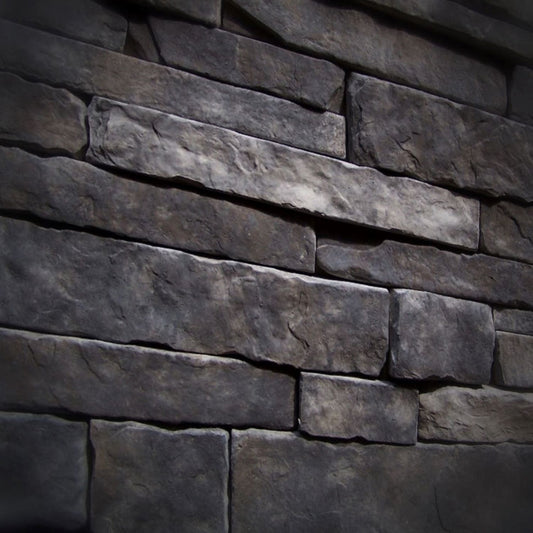
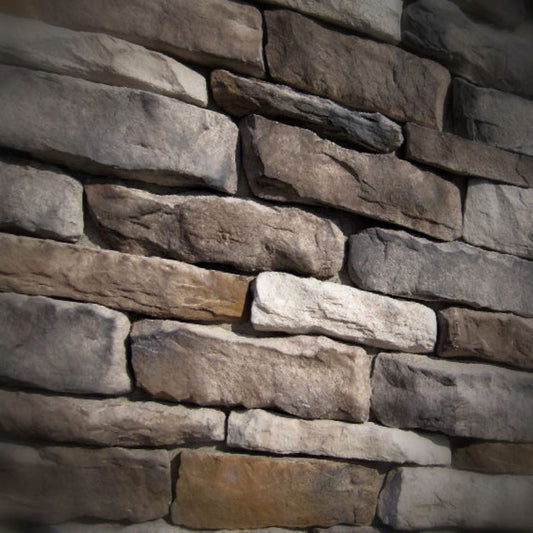
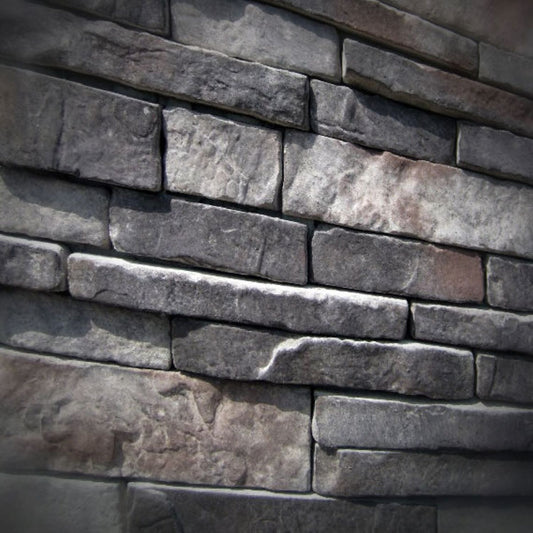
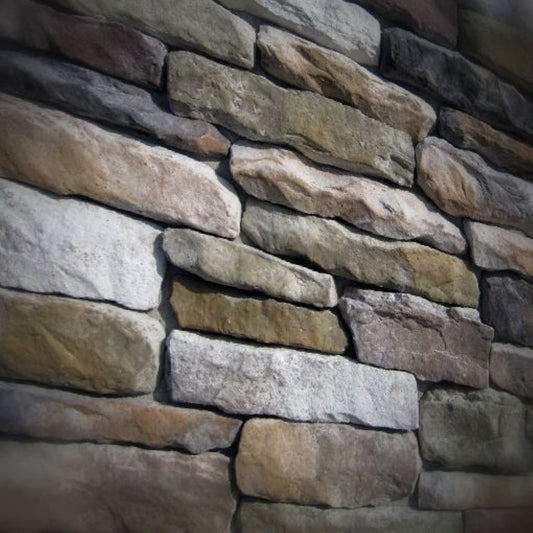
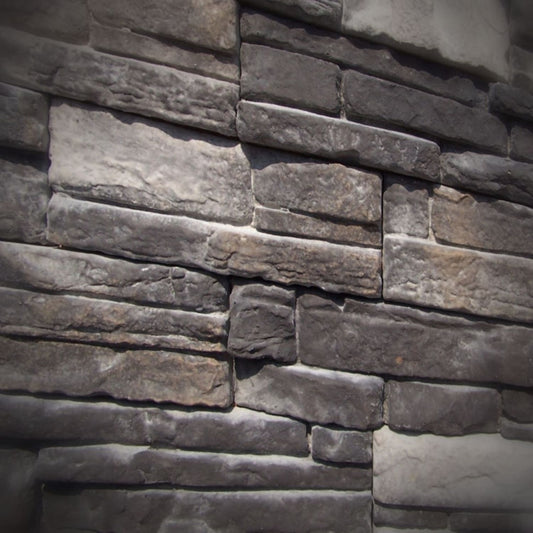
Pictured is ledge stone mossy creek.