
Can You Help with My Stone Veneer Measurements?
Share
Originally posted March 31 2025, updated July 27 2026.
To measure manufactured stone veneer, calculate the square footage of each installation area by multiplying height by width, subtract windows and doors, measure outside corners separately in linear feet, and add approximately 10-15% extra material for cuts, waste, and future repairs. Accurate on-site measurements help prevent project delays, unnecessary shipping costs, and additional orders.
Accurately measuring manufactured stone veneer is one of the most important steps in planning a successful installation. Whether you're installing stone veneer on a fireplace, home exterior, retaining wall, outdoor kitchen, or accent wall, ordering the correct amount of material helps keep your project on schedule and within budget.
Ordering too little stone veneer can result in expensive freight charges, project delays, and additional manufacturing lead times. Ordering significantly more than you need can also increase costs unnecessarily. While we're always happy to help estimate the amount of stone veneer required for your project, our calculations should only be considered rough estimates because we are not physically on-site.
The final responsibility for measuring your project and ordering the correct quantity of manufactured stone veneer always rests with the homeowner, contractor, or installer. Taking careful measurements before placing your order is the best way to ensure a smooth installation from start to finish.
Why accurate stone veneer measurements matter
Manufactured stone veneer is typically shipped by pallet using LTL (Less-Than-Truckload) freight. Unlike standard parcel shipping, freight pricing is influenced by several factors including shipment size, dimensions, freight class, handling requirements, and minimum carrier charges. This means ordering only a few additional boxes after your original shipment can become surprisingly expensive.
Accurate measurements also help avoid unnecessary project interruptions. If additional material must be manufactured and shipped after installation has already begun, construction may come to a halt while everyone waits for the remaining stone to arrive. These delays can affect other trades, extend completion dates, and increase labour costs.
Some manufacturers and suppliers may also have minimum order requirements. Even if you only need a small amount of additional stone, you may still need to meet the supplier's minimum purchase quantity. Planning ahead and ordering the proper amount the first time is almost always the most economical approach.
Why we cannot measure from blueprints or drawings
Many customers ask if we can estimate stone veneer directly from architectural plans, construction drawings, or material takeoffs. While these documents are helpful during the planning stages, they rarely reflect the exact conditions found once construction begins.
Changes to framing, window sizes, door openings, roof lines, columns, fireplaces, and other architectural details frequently occur during construction. These field changes can significantly affect the amount of stone veneer required.
Because we cannot verify these conditions from drawings alone, we do not calculate material quantities from blueprints or takeoffs. The most accurate measurements always come from the completed framing or finished surfaces that will actually receive the stone veneer.
For the best results, have your contractor or installer perform final on-site measurements before placing your order.
How to measure manufactured stone veneer
Measuring manufactured stone veneer is straightforward when completed one surface at a time. Begin by measuring the height and width of every wall, column, fireplace, or other surface that will receive stone. Multiply the height by the width to determine the total square footage of each section.
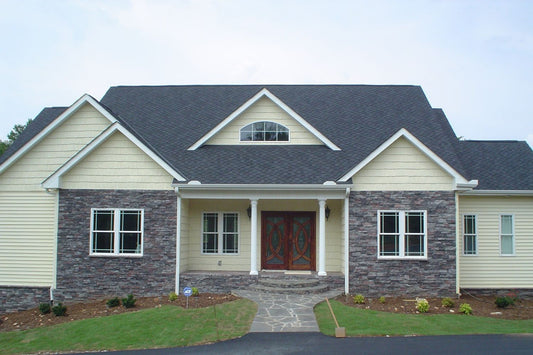
Next, subtract the square footage of any areas that will not receive stone veneer. This typically includes windows, doors, garage doors, vents, and other large openings. Small penetrations such as electrical boxes, hose bibs, or light fixtures generally do not need to be deducted because the material removed during installation is often offset by cutting waste.
If your project includes multiple walls or installation areas, repeat the process for each section before adding everything together to determine the total square footage required.
Taking your time during this stage can prevent costly ordering mistakes later in the project.
Measuring stone veneer corners
Outside corners require special attention because corner pieces are typically ordered separately from the flat stone.
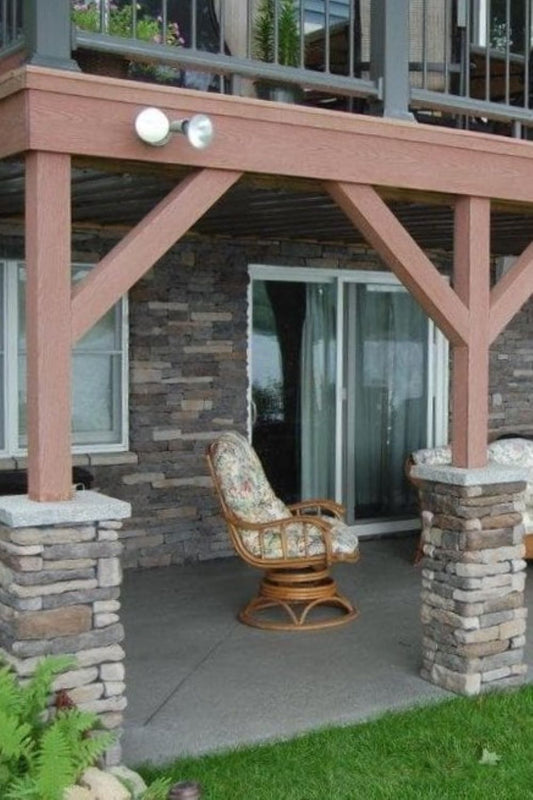
Measure every outside corner from the bottom of the installation area to the top and record the total linear footage. Include columns, chimney corners, fireplace surrounds, entryways, and any other outside edges where corner pieces will be installed.
Corner pieces create the appearance of full-depth stone wrapping around the edge of the wall, giving the finished installation a much more natural appearance than simply butting two flat pieces together.
Ordering the correct quantity of corner pieces is just as important as ordering enough flat stone, so be sure to measure every outside corner carefully.
Why you should add extra material
Even with careful planning and accurate measurements, every manufactured stone veneer installation produces some unavoidable waste.
We generally recommend ordering approximately 10-15% additional material to account for cutting, trimming, fitting around windows and doors, natural pattern selection, and occasional breakage during handling or installation. Complex layouts with numerous corners, arches, or intricate architectural details may require slightly more overage depending on the project.
Having extra material available also provides valuable insurance if repairs become necessary years later. Since manufactured stone veneer products can occasionally change slightly over time due to production runs or discontinued colours, keeping a few extra pieces from the original order makes future repairs much easier.
That small amount of extra material can save considerable time and expense if unexpected damage ever occurs.
Frequently asked questions
1. How do I calculate the square footage needed for manufactured stone veneer? Measure the height and width of each installation surface, multiply those numbers together to calculate the square footage, then subtract large openings such as windows and doors. Add the totals from all installation areas before adding approximately 10-15% extra material for waste.
2. How much extra stone veneer should I order? For most residential projects, ordering about 10-15% additional material is recommended. This covers normal cutting waste, pattern matching, breakage during installation, and provides spare pieces for future repairs if needed.
3. Why are stone veneer corners measured separately? Outside corner pieces are manufactured differently than flat stone veneer and are sold by linear foot rather than square foot. Measuring them separately ensures you order the correct quantity for a realistic finished appearance.
4. Can you estimate stone veneer from my house plans? No. While blueprints are useful during planning, they often change during construction. Final measurements should always be taken directly from the completed structure to ensure the most accurate material estimate.
5. What happens if I don't order enough stone veneer? Ordering additional material after installation has started can lead to higher freight costs, possible minimum order requirements, manufacturing lead times, and delays that may affect your overall construction schedule.
6. Should I keep leftover manufactured stone veneer? Yes. Keeping a small amount of leftover stone veneer is recommended. Extra pieces can be extremely valuable for future repairs, renovations, or accidental damage, especially if the product or colour is discontinued in the future.
Can you help with my stone veneer measurements?
If you're unsure how much manufactured stone veneer your project requires, we're happy to assist with a rough estimate based on the measurements you provide.
Please remember, however, that our estimate is intended only as a general guideline. Because we are not physically present at the job site, we cannot verify measurements, identify construction changes, or account for installation conditions that may affect the final material quantity. For this reason, the homeowner, builder, or installer remains responsible for confirming all measurements before placing an order.
Accurate on-site measurements are the best way to avoid unnecessary costs, reduce delays, and ensure your installation proceeds as smoothly as possible.
What's next?
Transform your space with our high-quality stone veneer! Shop now to find the ideal style or order a sample to experience the texture and colors up close. Begin your project today!
Have a question?
Please see our full terms of service or check out our frequently asked questions.
For general information and questions please call: (864) 882-8960 Mon. - Fri. 8am - 5pm (EST) or email: info@blackbearmountainstone.com we are more than happy to help you.
Or you can submit your questions via our contact us page.
We look forward to working with you on your upcoming project.
The Black Bear Mountain Stone Team
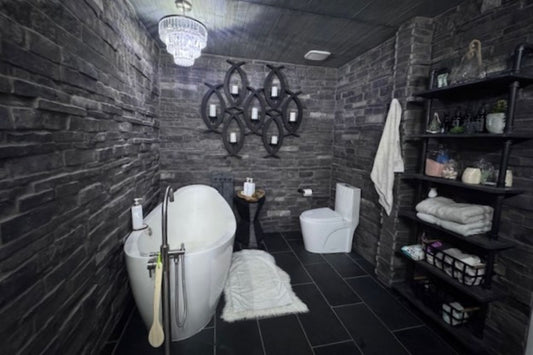
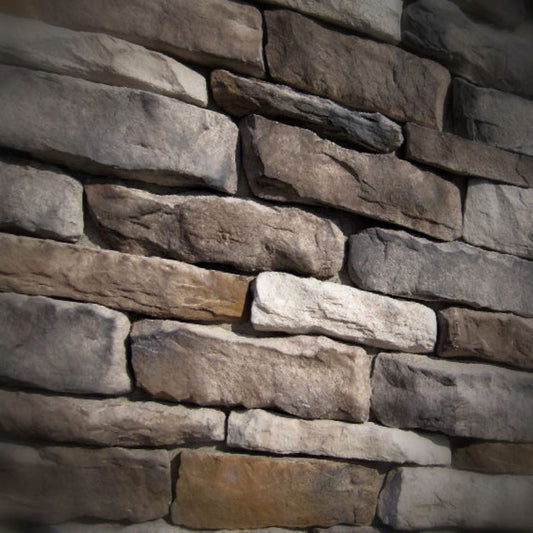
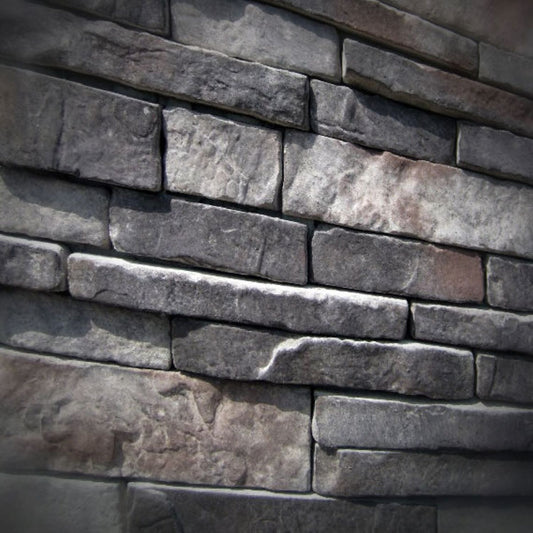
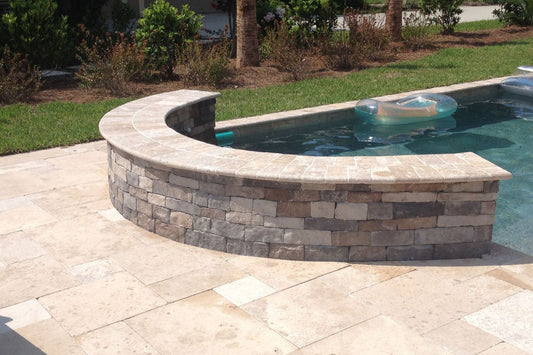
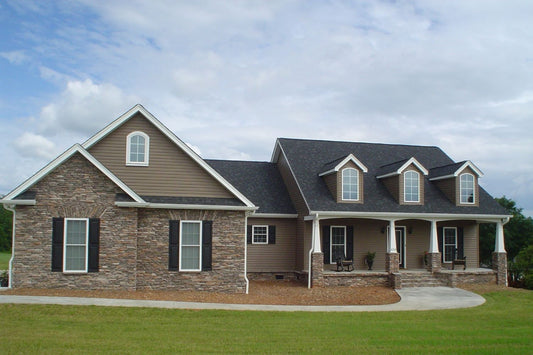
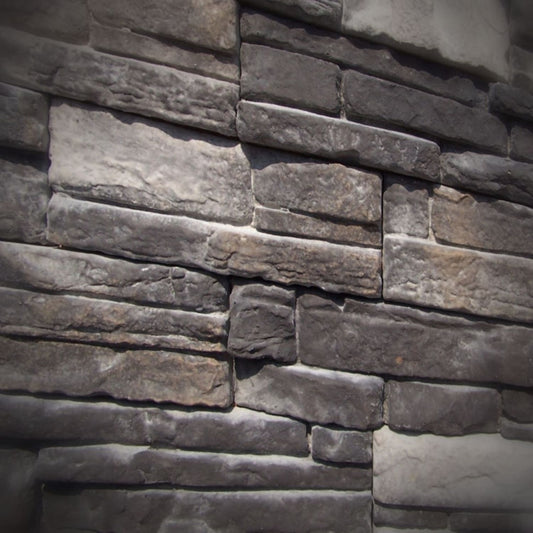
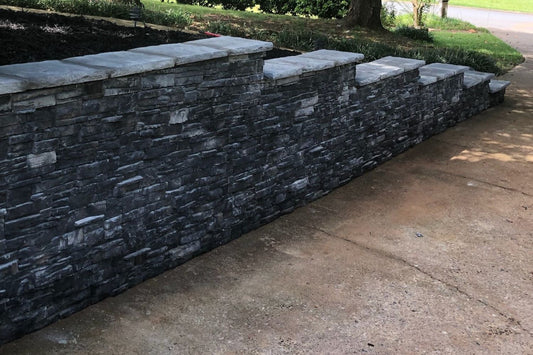
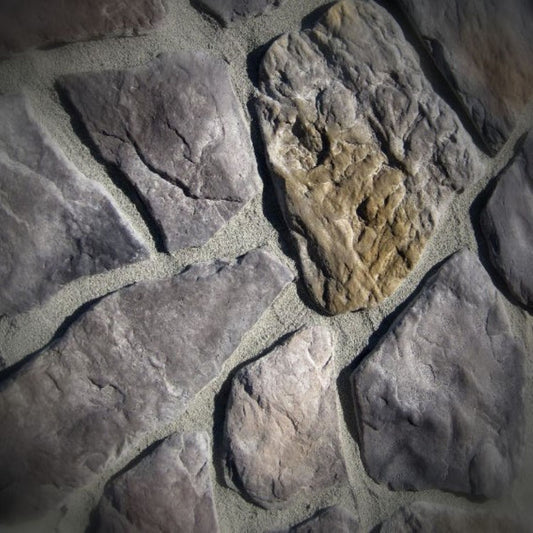
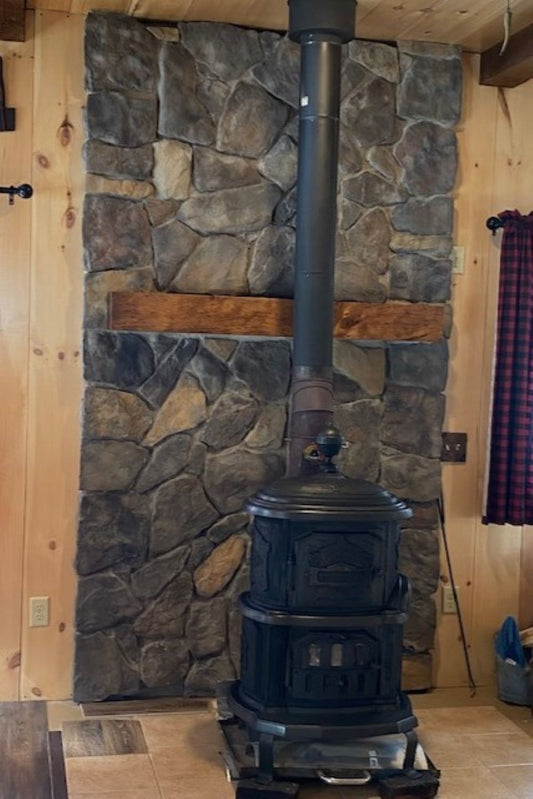
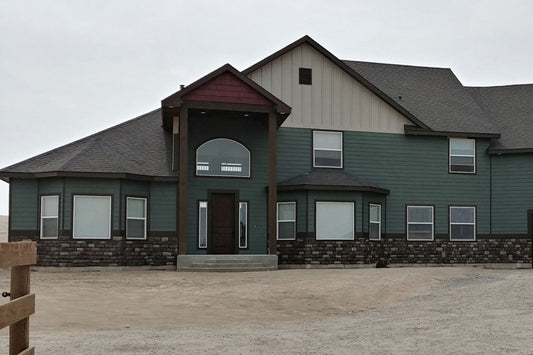
Pictured is brick veneer charleston.