

Dry Stacking Stone Veneer
Share
Originally posted March 12 2025, updated July 8 2026.
Dry stacked manufactured stone veneer is installed with tightly fitted stones and no visible mortar joints, creating a seamless, natural appearance. While the stones are adhered with mortar behind the veneer, the finished surface mimics traditional dry-stacked masonry. This installation style is popular for fireplaces, accent walls, home exteriors, and outdoor living spaces because it delivers a clean, modern look that highlights the texture and depth of each stone. Proper installation, surface preparation, and moisture management are essential for long-term performance.
Dry stacked manufactured stone veneer has become one of the most sought-after installation styles in residential and commercial design. Whether you're creating a striking fireplace, updating a home's exterior, or building an elegant outdoor kitchen, dry stacking delivers a clean, sophisticated appearance that complements both contemporary and rustic architecture.
Unlike traditional grouted stone installations, dry stacked stone veneer eliminates visible mortar joints, allowing the individual stones to fit closely together. The result is a seamless surface that emphasizes the natural textures, colors, and shadow lines of the stone rather than the mortar between them.
Although the finished appearance looks simple, achieving professional results requires careful planning and proper installation techniques. From preparing the substrate to ensuring adequate drainage and adhesion, every step plays an important role in creating a durable, long-lasting finish.
In this post, we'll explain what dry stacked manufactured stone veneer is, how it differs from grouted installations, its advantages and limitations, and when it's the best choice for your next project.
What is dry stacked manufactured stone veneer?
Dry stacked manufactured stone veneer is an installation method where individual stone pieces are installed tightly together without visible mortar joints. While adhesive mortar is still used behind each stone to permanently bond it to the wall, none of that mortar remains visible after installation.
The finished look closely resembles traditional dry-stacked natural stone walls that have been carefully assembled without exposed mortar. However, unlike structural dry stone masonry, manufactured stone veneer is a decorative cladding system that relies on modern installation methods rather than the weight of the stones themselves.
This style creates a continuous stone surface where each piece blends naturally into the next. Without grout lines interrupting the pattern, attention is drawn to the unique textures, colors, and profiles of the stone.
Because of its timeless appearance, dry stacking has become increasingly popular in both modern homes and traditional designs.
Why homeowners love the dry stacked look
One of the biggest reasons homeowners choose dry stacked stone veneer is its clean, refined appearance. Removing visible mortar joints creates a sophisticated finish that works well across many architectural styles.
Modern homes benefit from the sleek lines and uninterrupted surface, while rustic cabins and mountain-inspired designs gain an authentic natural stone aesthetic. The versatility of dry stacking allows it to complement everything from minimalist interiors to traditional exteriors.
The absence of grout also creates stronger shadow lines between stones. As sunlight changes throughout the day or interior lighting highlights the wall, the varying depths of the stone create visual movement and texture that simply isn't as pronounced with grouted installations.
Because the stone itself becomes the focal point, every variation in shape, color, and texture contributes to a more natural appearance.
Where dry stacked stone veneer works best
Dry stacked manufactured stone veneer can be used in a wide variety of residential and commercial applications.
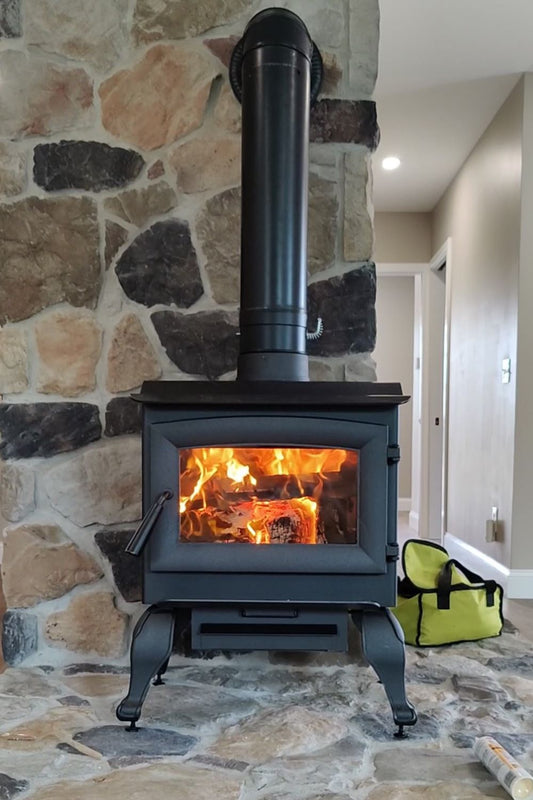
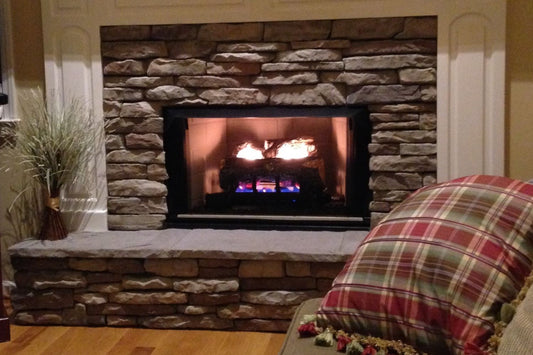
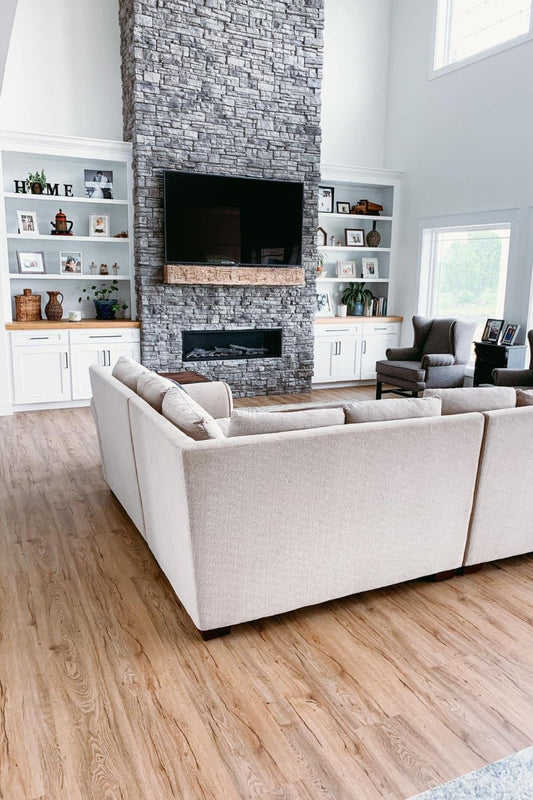
Fireplaces remain one of the most popular choices because the seamless stone surface naturally draws attention to the room's focal point. Whether installed from floor to ceiling or surrounding a traditional mantel, dry stacked stone creates warmth and architectural interest.
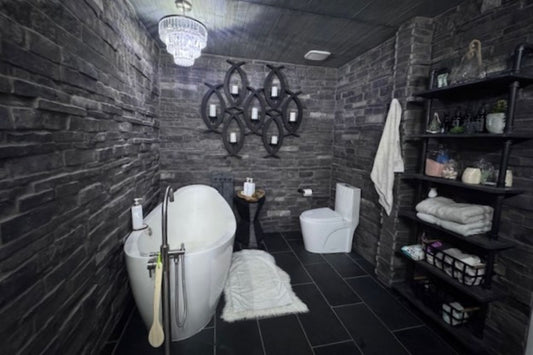
Interior accent walls are another common application. Living rooms, entryways, bedrooms, and dining spaces all benefit from the depth and texture that dry stacked stone introduces without overwhelming the room.
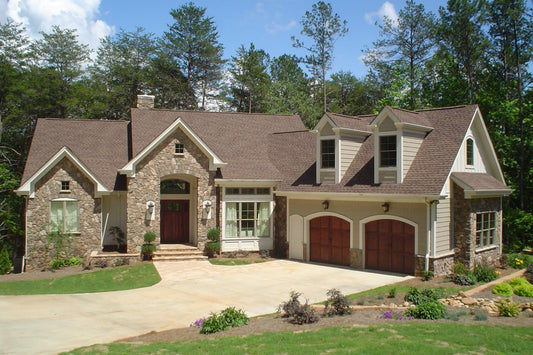
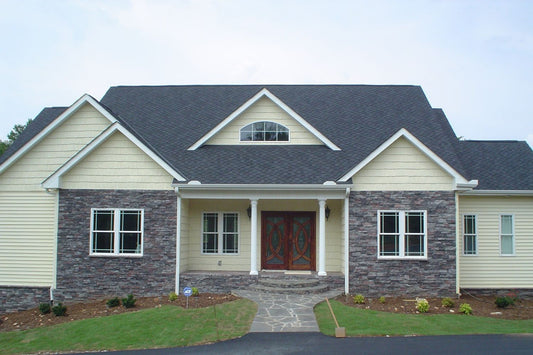
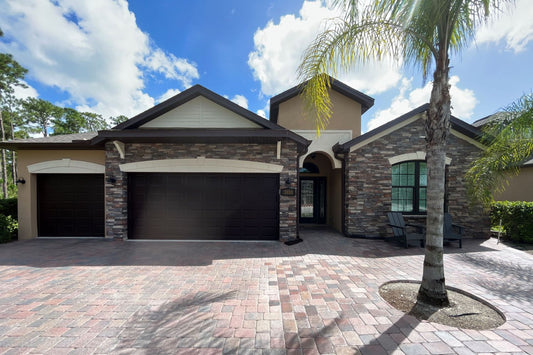
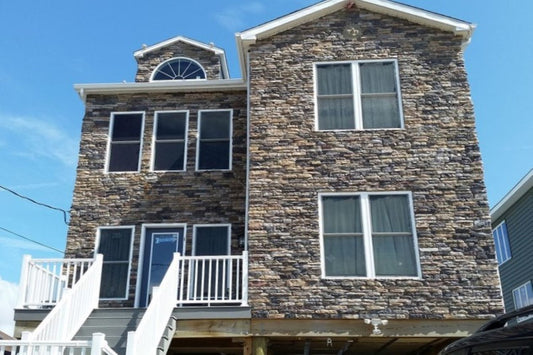
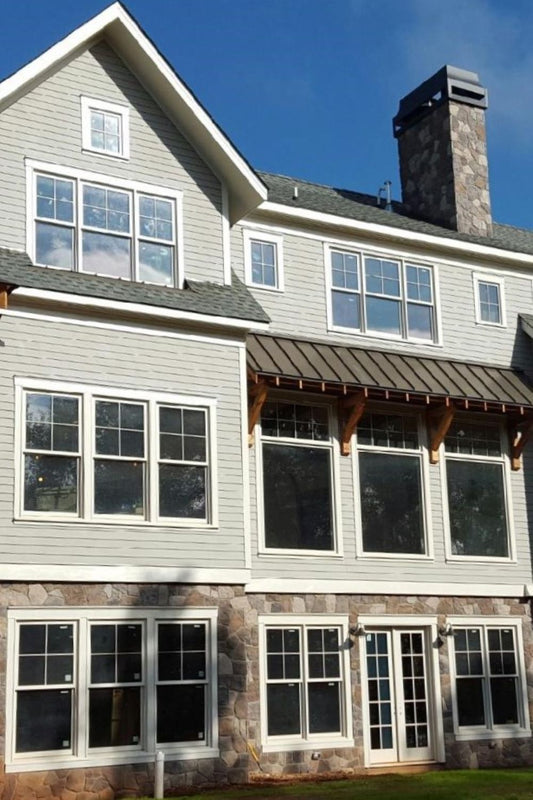
On home exteriors, dry stacking provides outstanding curb appeal. It works beautifully on full facades, foundation walls, entryways, garage surrounds, and architectural features where homeowners want a premium stone appearance.
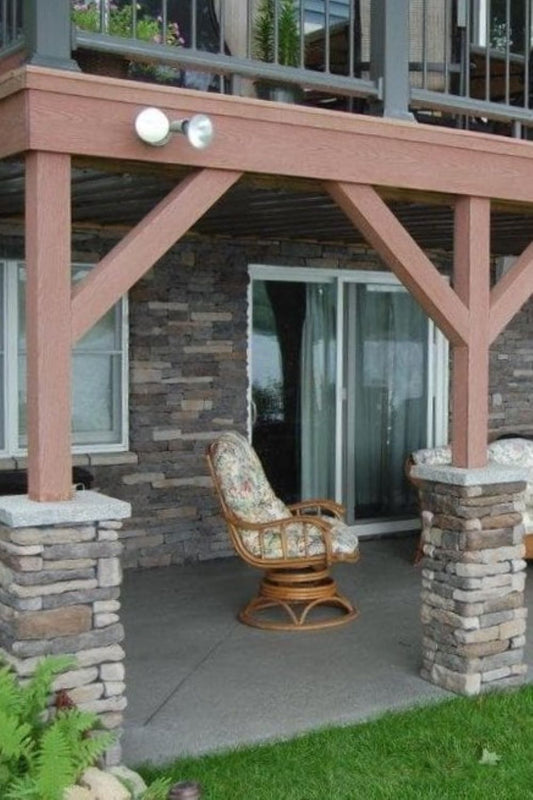
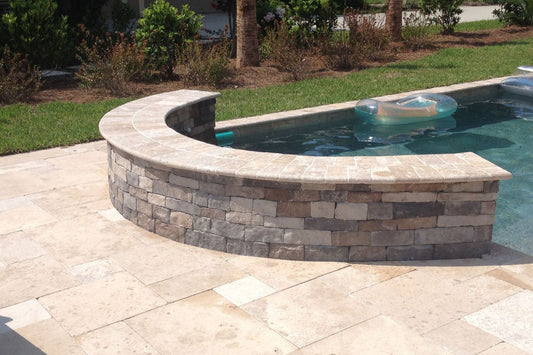
Outdoor living spaces also benefit from this installation style. Outdoor fireplaces, kitchen islands, seating walls, columns, and entertainment areas all gain a polished, upscale look when finished with dry stacked manufactured stone veneer.
Dry stacked vs. grouted stone veneer
Choosing between dry stacked and grouted manufactured stone veneer largely comes down to aesthetics, installation preferences, and environmental conditions.
Dry stacked installations emphasize the individual stones by eliminating visible mortar joints. The result is a modern, seamless appearance with dramatic texture and shadowing.
Grouted installations leave mortar visible between the stones, creating a more traditional masonry appearance. The mortar softens the transitions between stones while adding another design element that can complement historic or rustic architecture.
Neither installation method is inherently better than the other. Each offers its own visual style and performs well when installed according to manufacturer recommendations.
Many homeowners select dry stacking because they prefer its contemporary look, while others appreciate the classic character of exposed mortar joints.
Proper installation is essential
Although dry stacked stone veneer creates a clean finished appearance, achieving that result requires greater installation precision than many grouted applications.
Since there are no mortar joints to disguise small inconsistencies, every stone must be carefully selected and positioned. Installers often spend additional time arranging pieces before permanently adhering them to create a balanced, natural pattern.
Proper substrate preparation is equally important. The installation surface must be structurally sound and properly prepared according to the wall type. Depending on the application, this may include installing weather-resistant barriers, metal lath, a scratch coat, or direct application over suitable masonry surfaces.
Following the manufacturer's installation guidelines helps ensure the veneer performs as intended for many years.
Adhesion matters more than ever
Because dry stacked installations rely entirely on the hidden adhesive mortar behind each stone, achieving complete coverage is critical. Each piece should receive sufficient mortar to create a strong bond with the substrate. Firm pressure during installation helps eliminate voids that could weaken adhesion over time. Proper mortar consistency is also important. Mortar that is too dry may not bond effectively, while overly wet mortar can reduce strength and make installation more difficult.
Professional installers understand how to balance mortar application with careful stone placement to create both a durable bond and an attractive finished appearance.
Moisture management and waterproofing
Like all manufactured stone veneer installations, proper moisture management is essential, particularly for exterior applications.
Although dry stacked stone has no visible mortar joints, water can still reach the drainage plane behind the veneer. This makes correctly installed weather-resistant barriers, flashing, drainage systems, and weep screeds especially important. These components allow moisture to escape rather than becoming trapped behind the veneer, helping protect the wall assembly over time.
In certain climates or high-moisture environments, applying an appropriate breathable sealer may provide additional protection. However, sealing should only be performed when recommended for the specific manufactured stone product and installation.
Proper waterproofing practices not only improve durability but also help maintain the long-term appearance of the stone.
Advantages of dry stacked manufactured stone veneer
One of the greatest advantages of dry stacked stone veneer is its timeless appearance. Design trends come and go, but natural-looking stone remains one of the most desirable architectural finishes.
The seamless installation also creates remarkable visual depth. Without grout lines competing for attention, the natural contours of each stone become more pronounced, creating beautiful light and shadow throughout the day.
Many homeowners also appreciate that there are fewer exposed mortar joints where dirt and debris can collect. While regular cleaning is still recommended, maintaining the finished appearance is often straightforward with routine care.
Dry stacked installations also complement a wide range of design styles. From luxury mountain homes and contemporary architecture to farmhouse renovations and commercial buildings, this versatile installation method fits nearly any aesthetic.
Potential challenges to consider
Despite its many advantages, dry stacked stone veneer isn't the ideal choice for every project. Installation requires greater precision than many grouted applications. Because each stone fits tightly against adjacent pieces, even small alignment issues can become noticeable. The installation process often takes longer as installers carefully select and position stones to achieve a natural appearance.
Projects located in particularly wet environments may also require additional attention to waterproofing details. While properly installed manufactured stone veneer performs exceptionally well outdoors, moisture management becomes even more important when using a dry stacked appearance.
Working with experienced installers helps minimize these challenges while ensuring the finished project delivers both beauty and durability.
Is dry stacked stone veneer right for your project?
Dry stacked manufactured stone veneer is an excellent choice if you're looking for a clean, upscale appearance that showcases the beauty of the stone itself. It works particularly well for homeowners seeking contemporary design, natural texture, and a seamless architectural finish. Fireplaces, feature walls, entryways, outdoor living spaces, and modern home exteriors all benefit from this timeless installation style.
If you prefer a more traditional masonry appearance with visible mortar joints, a grouted installation may better suit your design preferences.
Regardless of the style you choose, proper installation remains the most important factor in achieving long-lasting performance.
Frequently asked questions
1. Is dry stacked manufactured stone veneer installed without mortar? No. Dry stacked manufactured stone veneer still uses mortar behind each stone to adhere it securely to the wall. The difference is that no mortar is visible between the stones after installation.
2. Is dry stacked stone veneer suitable for exterior applications? Yes. Dry stacked manufactured stone veneer is commonly installed on exterior walls, fireplaces, columns, and outdoor living spaces when proper waterproofing, drainage, flashing, and installation practices are followed.
3. Is dry stacked stone veneer harder to install? Yes. Because there are no visible mortar joints to hide imperfections, installers must carefully fit each stone together. This requires more planning and precision than many grouted installations.
4. Does dry stacked stone veneer require maintenance? Like all manufactured stone veneer, occasional cleaning and routine inspections help maintain its appearance. Exterior installations should also be checked periodically to ensure drainage systems and sealants remain in good condition where applicable.
5. Can dry stacked stone veneer be used indoors? Absolutely. Dry stacked manufactured stone veneer is a popular choice for fireplaces, feature walls, entryways, kitchens, and other interior spaces where homeowners want to add texture and architectural interest.
6. Which looks better: dry stacked or grouted stone veneer? Neither option is universally better. Dry stacked stone veneer offers a clean, modern, seamless appearance that highlights the stone itself, while grouted stone veneer creates a more traditional masonry look with visible mortar joints. The best choice depends on your design preferences and the style of your home.
Dry stacking stone veneer
Dry stacked manufactured stone veneer combines timeless beauty with modern installation techniques to create one of today's most popular architectural finishes. Its seamless appearance highlights the natural character of every stone while adding depth, texture, and visual interest to both interior and exterior spaces.
Although the installation demands careful planning, proper substrate preparation, and precise workmanship, the finished result is well worth the effort. Whether you're updating a fireplace, enhancing your home's curb appeal, or designing an inviting outdoor living area, dry stacked stone veneer offers lasting style that complements virtually any architectural design.
By following manufacturer installation guidelines and paying close attention to moisture management and adhesion, homeowners can enjoy a beautiful stone veneer installation that performs reliably for years to come.
What's next?
Transform your vision with our premium stone veneer! Shop now to find the ideal style or order a sample to feel the texture and see the color in person. Begin your project today!
Have a question?
Please see our full terms of service or check out our frequently asked questions.
For general information and questions please call: (864) 882-8960 Mon. - Fri. 8am - 5pm (EST) or email: info@blackbearmountainstone.com we are more than happy to help you.
Or you can submit your questions via our contact us page.
We look forward to working with you on your upcoming project.
The Black Bear Mountain Stone Team
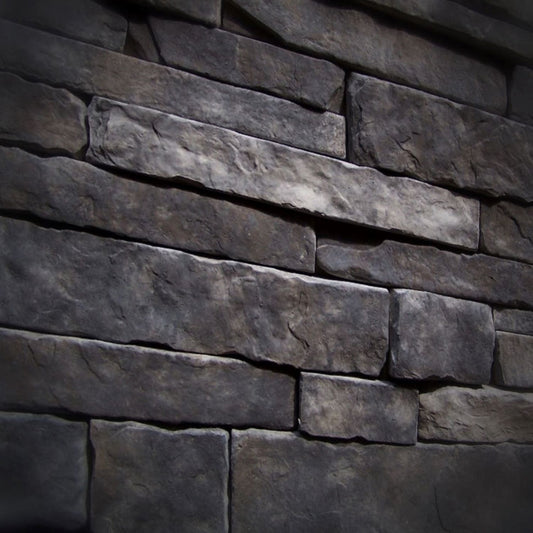
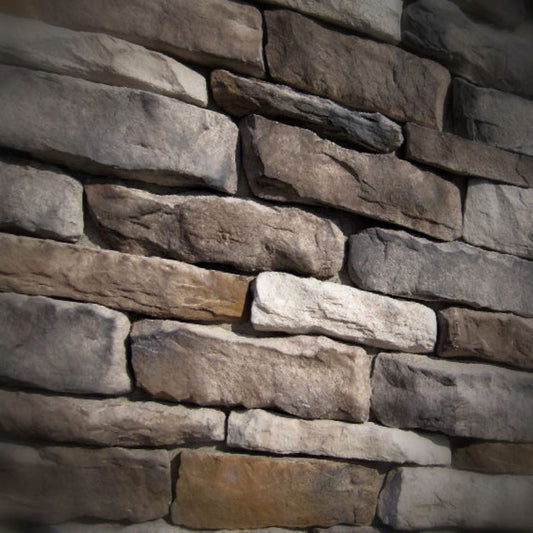
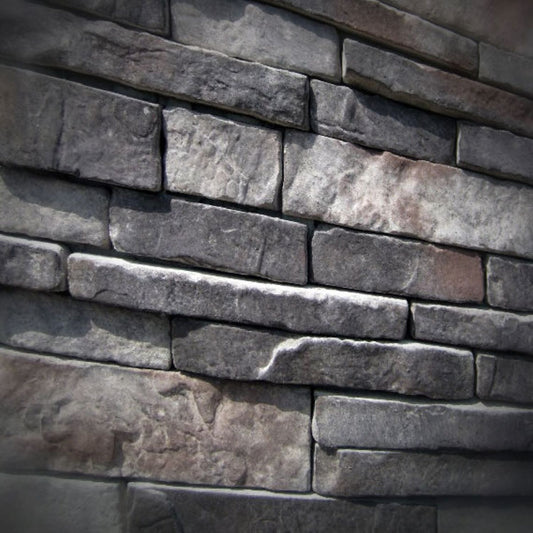
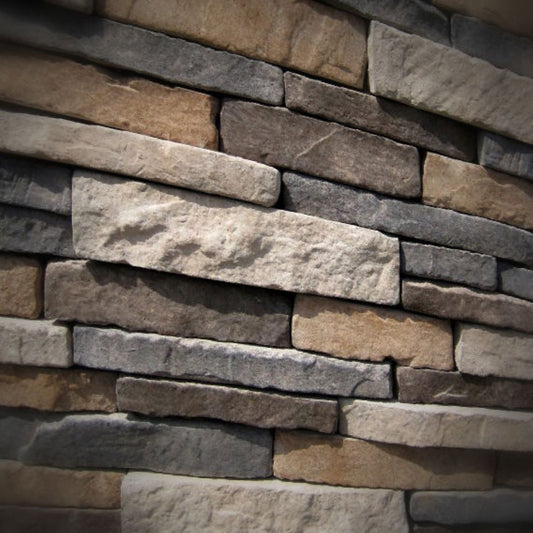
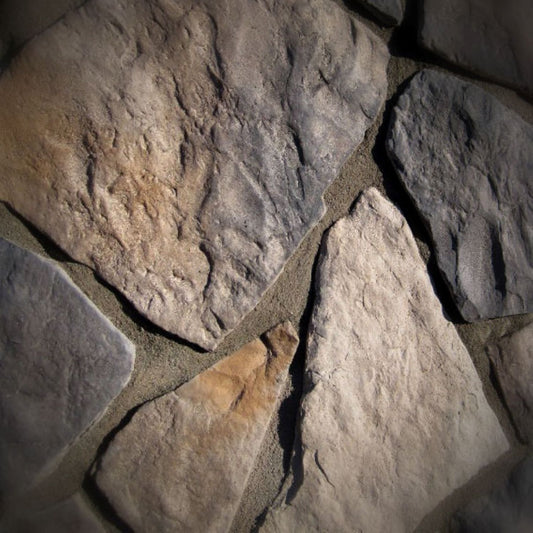
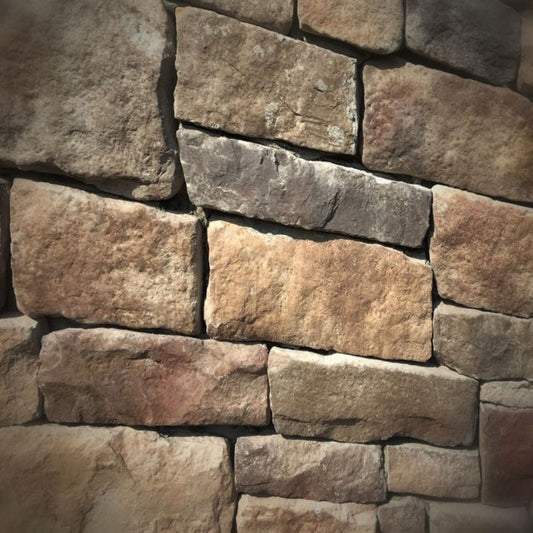
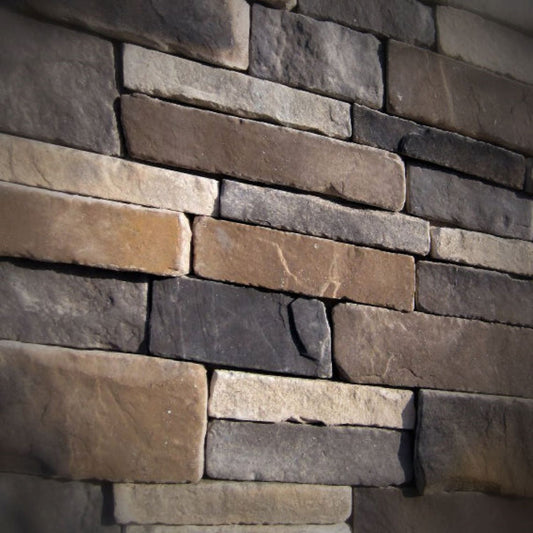
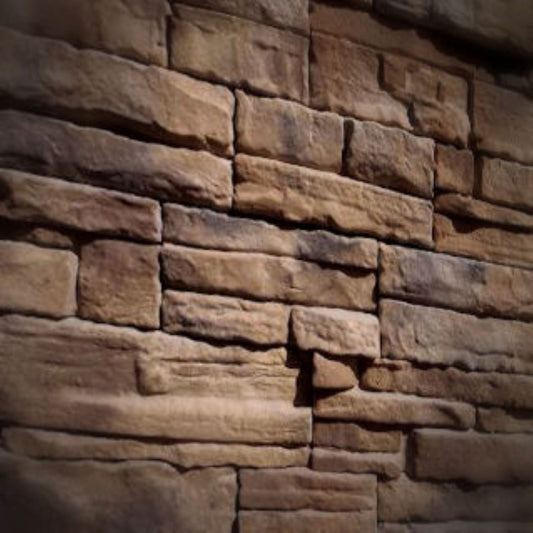
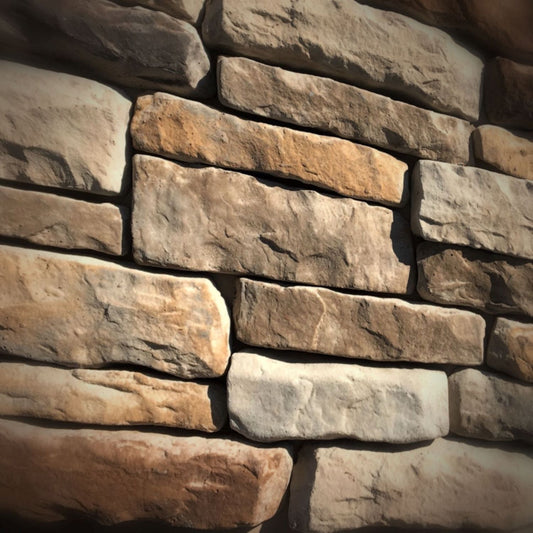
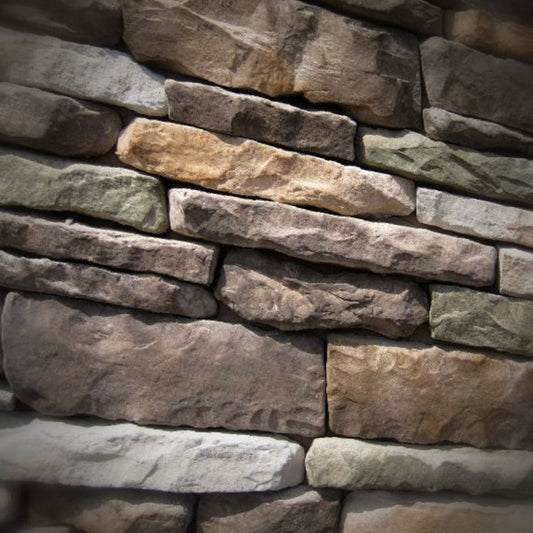
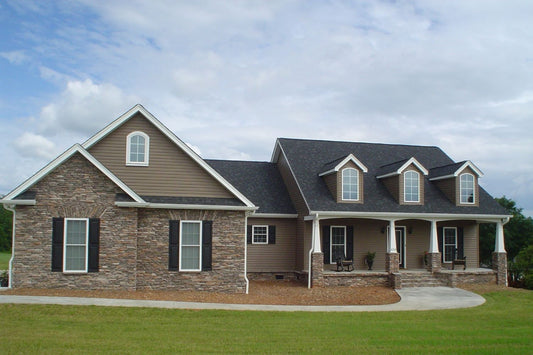
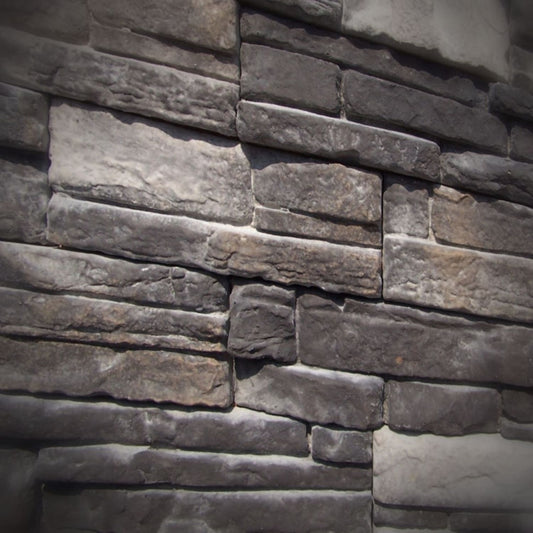
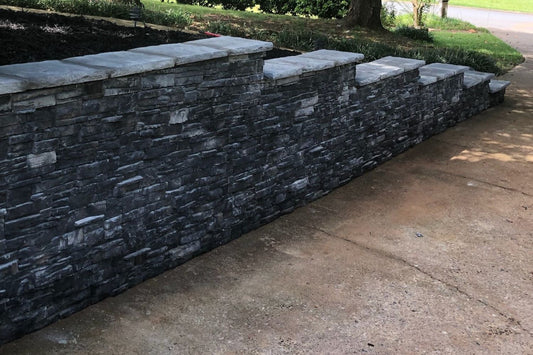
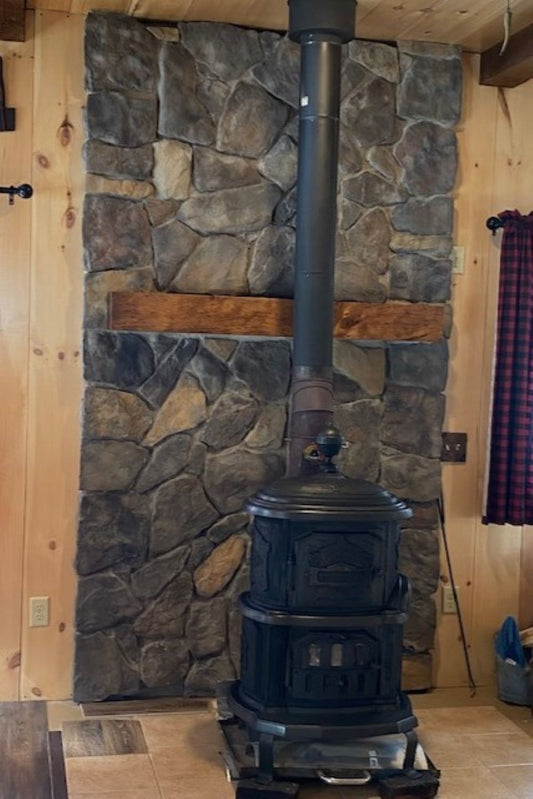
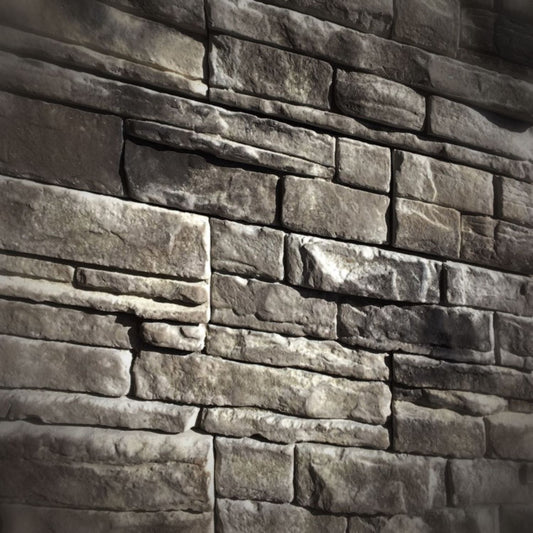
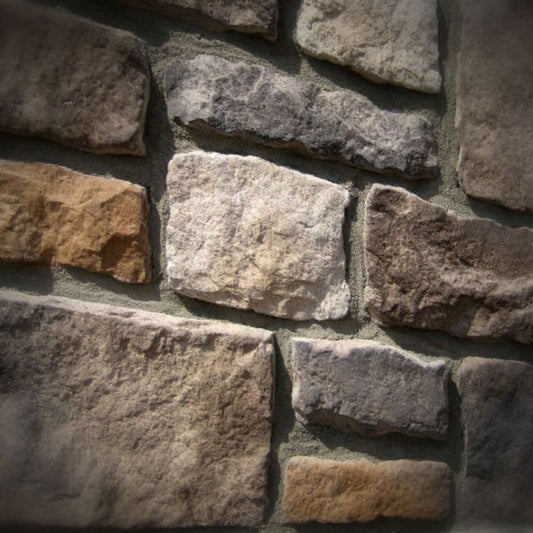
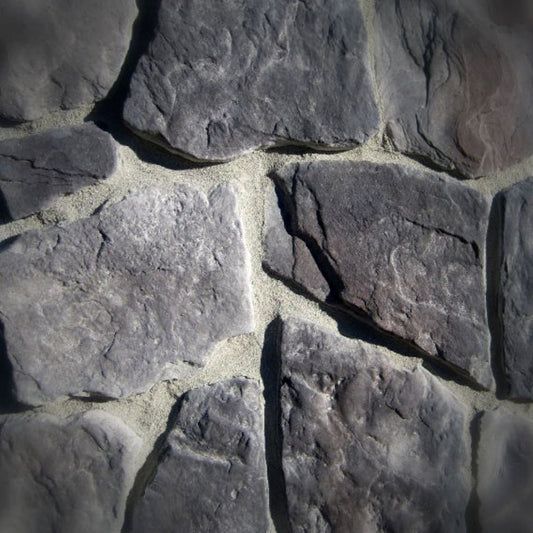
Pictured is stack stone buck mountain.



2 comments
Hi Tom,
Thank you for your question and interest in our stone veneer.
Our stone veneer does not come with a top ledge piece; however, we offer this as an accessory. Please see https://blackbearmountainstone.com/products/sill.
Our sills measure 3" deep, by 17.5" long, however, you will most likely have a grout joint in between them so for measuring purposes please use 18", by 2.5" tall in the back and 2" tall in the front as our sills have approximately a 1/2" slope from the back to the front for water runoff. Installation is easy, simply install the back flat to the wall, no need to tilt or angle them down. Also, our sills have a drip edge groove cut into the bottom side so water cannot run behind the stone veneer installed underneath the sills.
Please let us know if you have any more questions!
Planning on stacked stone veneer for our mountain home. We will be placing stacked veneer up the exterior to a height of 44 inches. What do you recommend for the top edge of stone veneer?
Thanks for info. 805-469-3173