
How to Measure and Order Manufactured Stone Veneer for Your Project
Share
Originally posted December 10, 2025, updated September 21, 2026.
To calculate how much manufactured stone veneer you need, measure the height and width of each surface, multiply to determine square footage, and subtract windows, doors, and other large openings. Measure outside corners separately in linear feet and add approximately 10-15% extra material for cuts, fitting, and installation waste. Verify measurements at the job site before ordering to help prevent material shortages, shipping delays, and unnecessary costs.
Planning a manufactured stone veneer project involves more than choosing the right color and style. Before installation begins, you need to determine how much material to order, account for outside corners, understand shipping requirements, and allow enough time for production and delivery. Whether you're updating a fireplace, adding an exterior accent, transforming an outdoor living area, or covering an entire home, careful preparation can save time and money.
Buying manufactured stone veneer online gives homeowners, contractors, masons, and designers access to a wide selection of profiles, colors, and textures. However, ordering successfully requires accurate measurements and an understanding of how stone veneer is sold, packaged, and shipped.
The timing of your order also matters. Spring and summer are popular seasons for construction and home improvement, which can increase demand for certain styles and extend production schedules. By selecting your stone, verifying your measurements, and planning your delivery in advance, you can reduce the risk of unexpected delays and keep your project moving forward.
Why Accurate Stone Veneer Measurements Matter
Accurate measurements are the foundation of a successful manufactured stone veneer installation. Ordering too little material can interrupt construction while you arrange additional production and shipping. Ordering substantially more than necessary can increase your project costs and leave you with excess material.
Running short can be particularly inconvenient because manufactured stone veneer is commonly shipped on pallets using less-than-truckload freight services. A small follow-up order may involve minimum purchase quantities, additional freight charges, and production lead times that are disproportionate to the amount of stone needed.
Ordering all your material together also helps maintain a consistent appearance. Although manufactured stone veneer is designed to provide a natural-looking variation in color and texture, subtle differences can occur between production runs. Purchasing the full quantity at once reduces the possibility of noticeable variations between the original installation and material ordered later.
Careful measurements also help you budget more accurately, coordinate installation materials, and schedule your contractor or mason. Taking time to confirm your quantities before ordering is generally much easier than correcting an underestimate after installation has started.
How to Calculate Square Footage for Manufactured Stone Veneer
The first step in estimating how much stone veneer you need is measuring the actual surfaces that will receive the material. For a rectangular wall, multiply the height by the width to calculate the square footage.
For example, a wall measuring 20 feet wide and 10 feet high contains 200 square feet of surface area. If your project includes multiple walls, columns, fireplace surrounds, or other features, measure each section individually and add the totals together.
For irregular surfaces, divide the area into smaller rectangles and calculate each section separately. Sloped gables and triangular sections require a different calculation, so measure those shapes carefully rather than treating the entire area as a rectangle.
Whenever possible, take measurements directly from the completed or current job site. Architectural drawings and material takeoffs can help you develop an initial estimate, but construction dimensions and design details may change. Actual measurements provide a more reliable basis for determining how much stone veneer to order.
Subtract Windows, Doors, and Other Openings
After calculating the total wall area, subtract the square footage of openings that will not receive stone veneer. Common examples include windows, exterior doors, garage doors, and large vents.
Measure the height and width of each opening, calculate its square footage, and add the opening measurements together. Subtract that combined area from the total wall surface.
For example, a wall with 200 square feet of surface area and a window measuring 4 feet by 5 feet has 20 square feet of window area. The resulting net coverage area is 180 square feet before adding an allowance for waste.
Consider the details around each opening, too. Stone may extend around window returns, door surrounds, sills, or other architectural features. Those areas may require additional material even though the opening itself is excluded from the flat wall calculation.
Small penetrations, such as electrical boxes or light fixtures, typically do not need to be deducted separately because the material saved may be offset by the cuts required to fit the stone around them.
How to Measure Stone Veneer Corners
Outside corners require a separate calculation because manufactured stone veneer corner pieces are generally sold by the linear foot rather than the square foot. These pieces wrap around the edges of walls, columns, fireplaces, and other architectural features to create the appearance of full-depth stone construction.
Measure the vertical height of every outside corner where corner pieces will be installed, then add the measurements together. For example, four outside corners that are each 8 feet tall require 32 linear feet of corner material.
Remember to include corners on chimneys, entryways, exterior walls, and other features that will receive stone. Inside corners are generally finished using flat stone pieces cut and fitted where adjacent surfaces meet, although the appropriate approach depends on the product and installation details.
When preparing your estimate, determine the required flat stone coverage and corner footage separately. The relationship between these quantities depends on the manufacturer's coverage specifications and how the product is measured, so review the product details before finalizing your order.
How Much Extra Stone Veneer Should You Order?
Even carefully measured projects require some additional material. Stones may need to be cut to fit around openings, trimmed along rooflines, or adjusted to accommodate corners and other architectural details. Some pieces may break during handling, and others may not fit the intended location.
For most projects, allowing approximately 10-15% extra manufactured stone veneer is a practical starting point. Simpler rectangular installations may require less cutting, while complex layouts with numerous corners, arches, angled walls, and openings may need a larger allowance.
For example, if your net flat stone coverage is 200 square feet, a 10% allowance brings the estimated quantity to 220 square feet. A 15% allowance brings it to 230 square feet. Corner material should be calculated separately according to the manufacturer's coverage and ordering requirements.
Avoid ordering only the exact calculated square footage. A reasonable waste allowance gives your installer flexibility and reduces the likelihood of running out of material before the job is complete.
Keeping a small amount of leftover stone for future repairs is also worthwhile. Store extra pieces in a dry, protected location so you have matching material available if damage occurs or you decide to extend the installation later.
Choosing the Right Stone Veneer Before Ordering
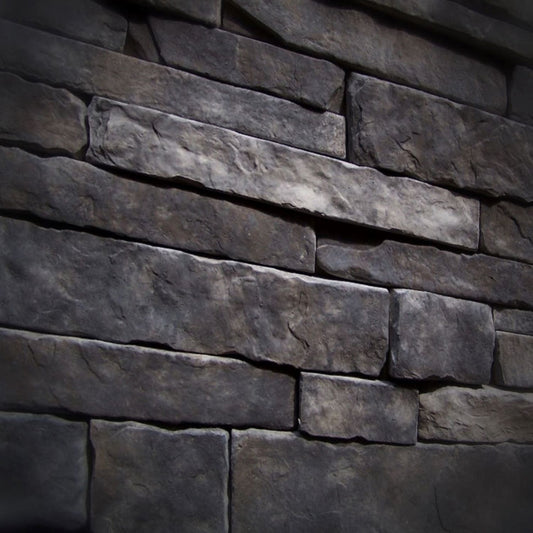
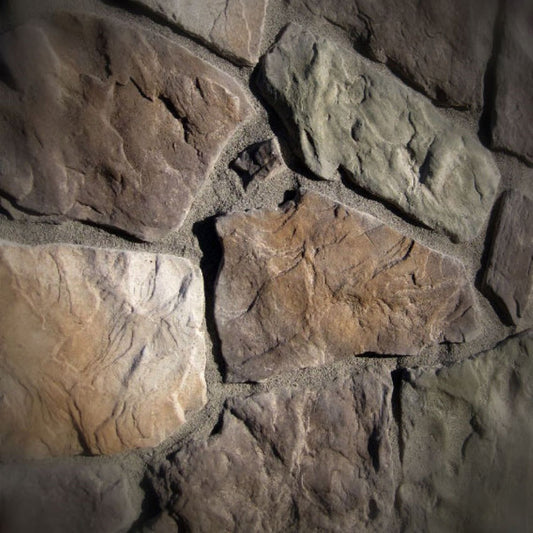
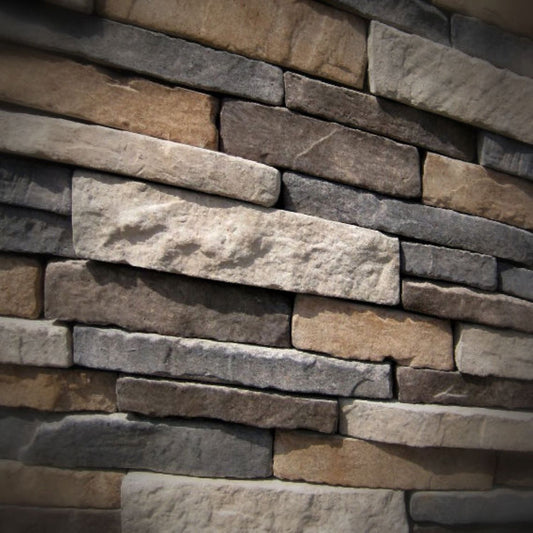
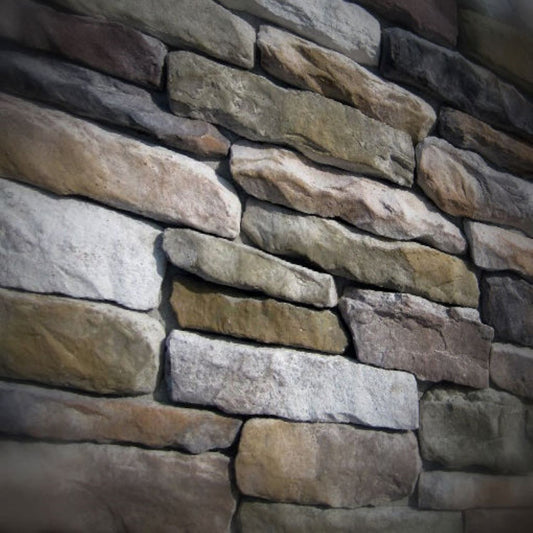
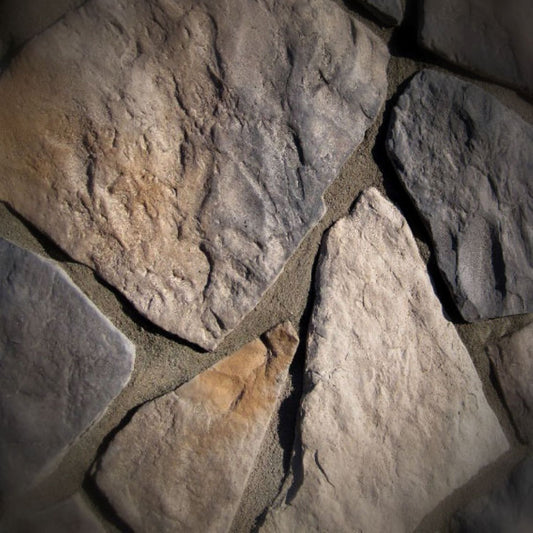
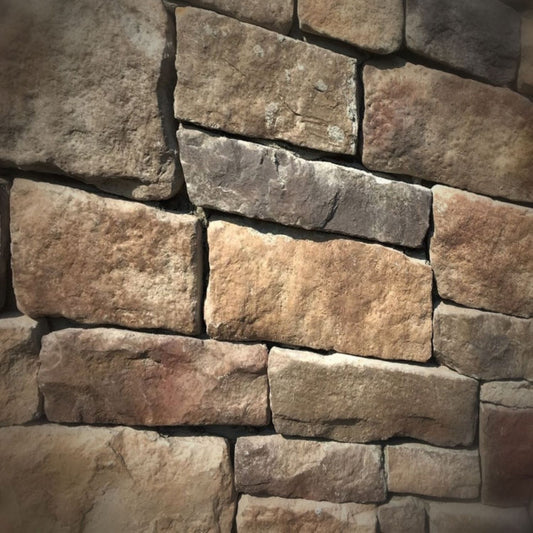
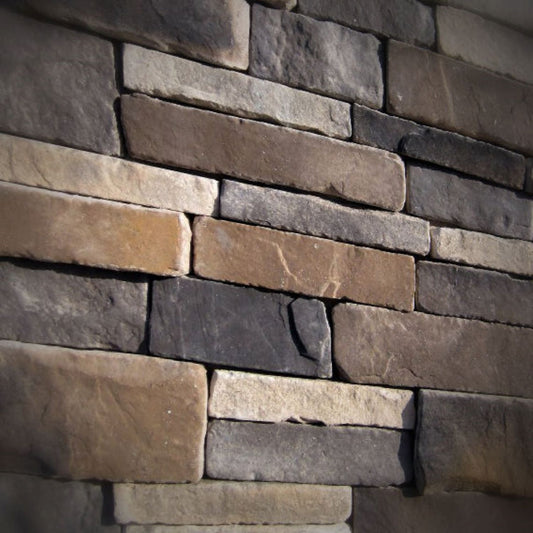
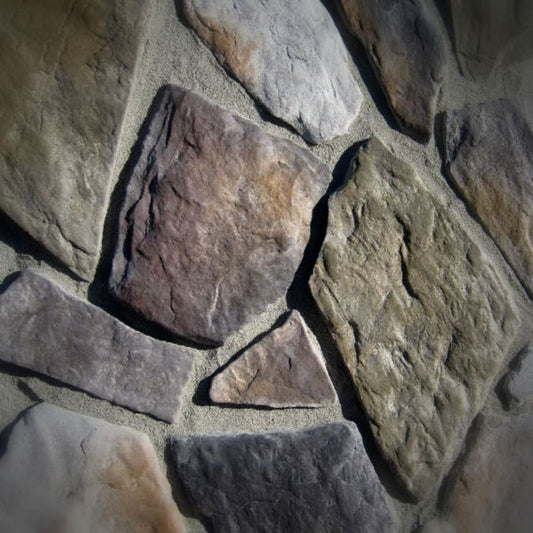
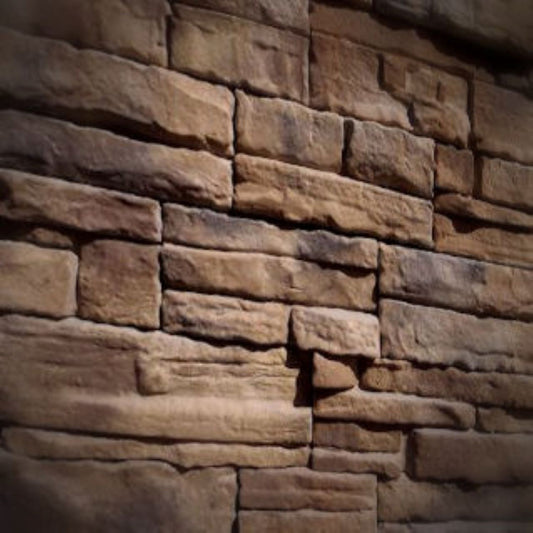
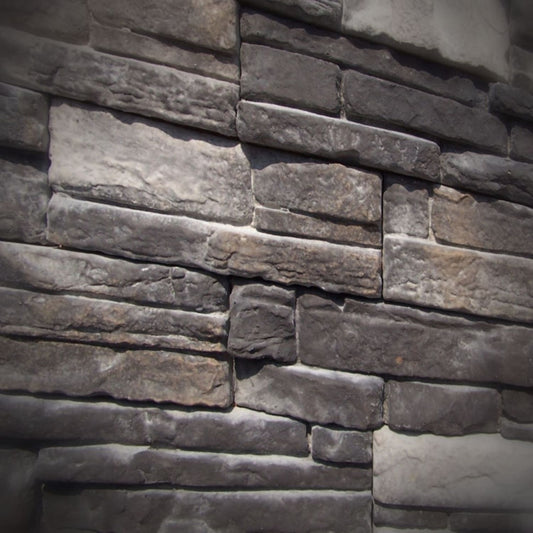
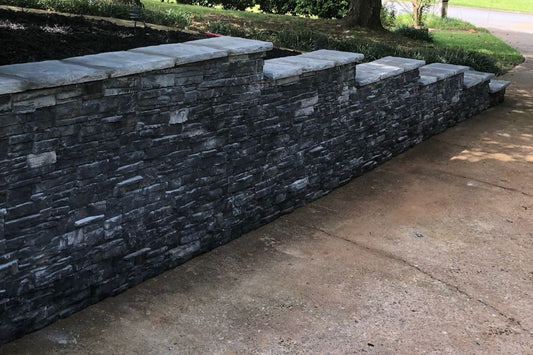
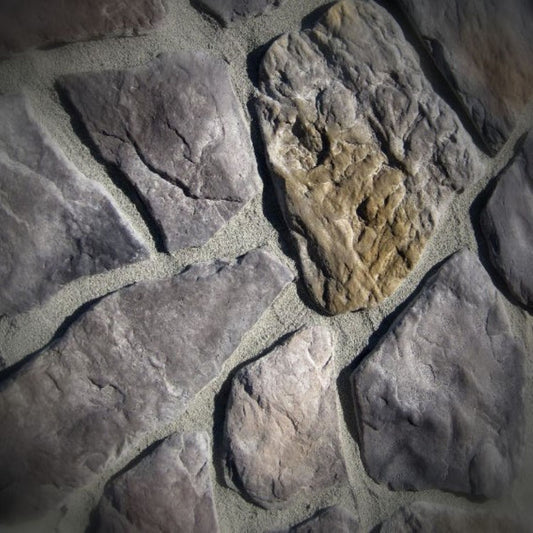
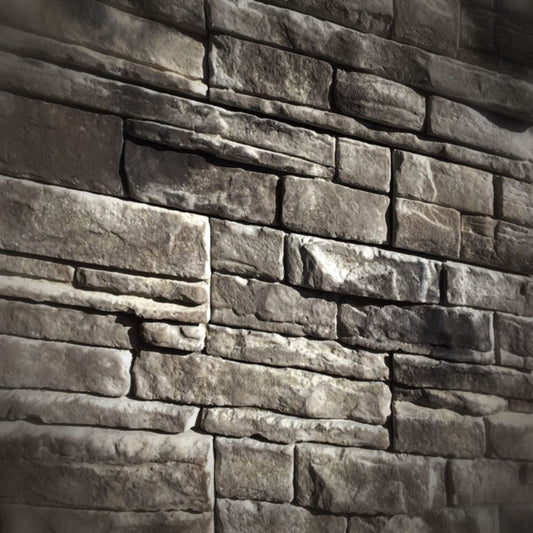
Accurate quantities matter, but selecting a product that suits your project is equally important. Manufactured stone veneer is available in a variety of styles, including ledgestone, fieldstone, stacked stone, brick veneer, and more. Each offers a different combination of shapes, textures, colors, and visual character.
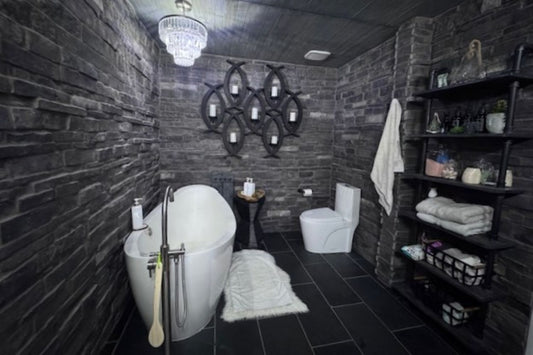
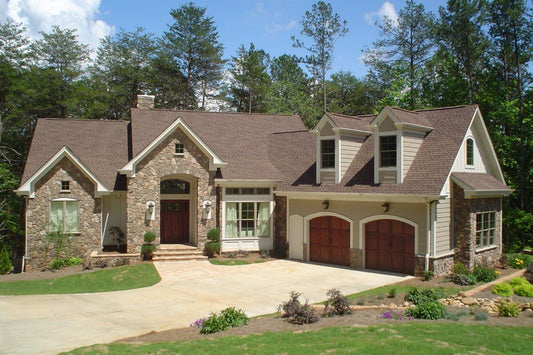
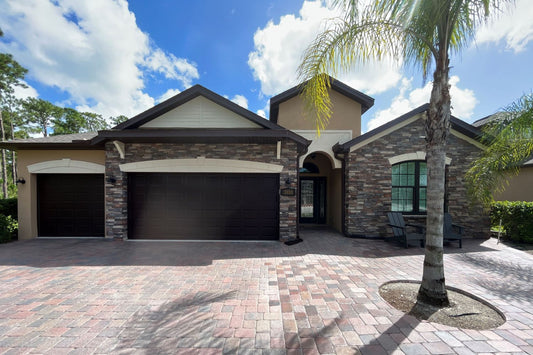
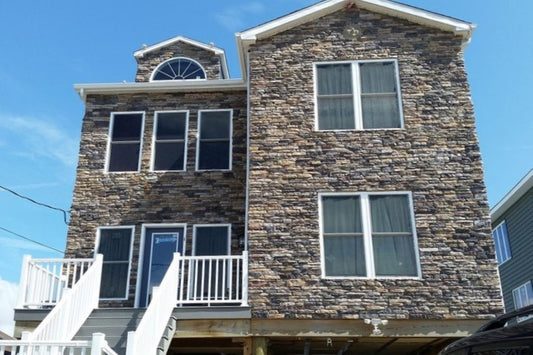
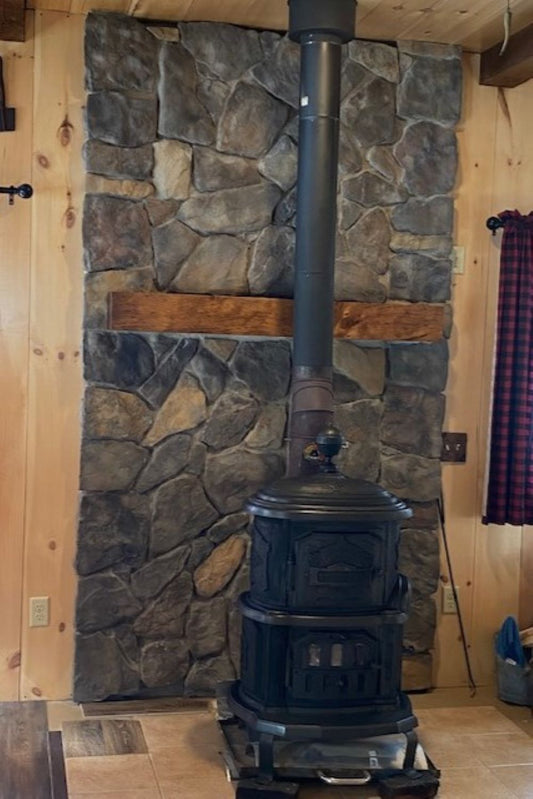
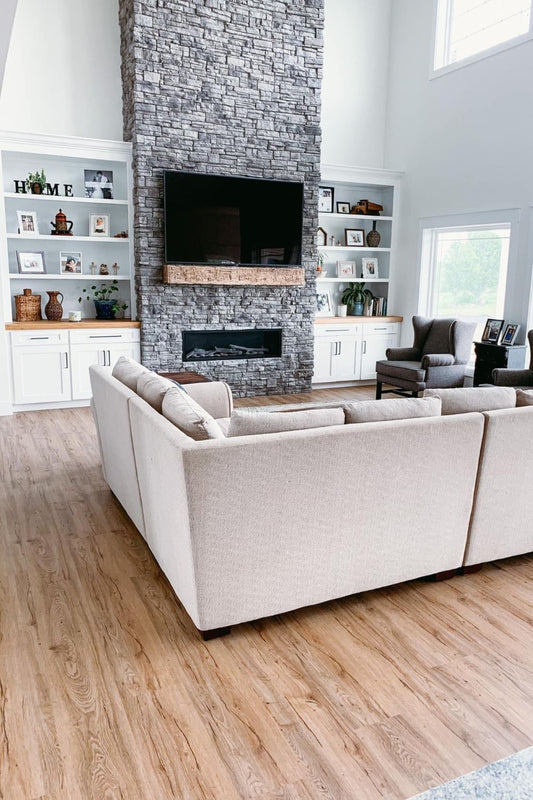
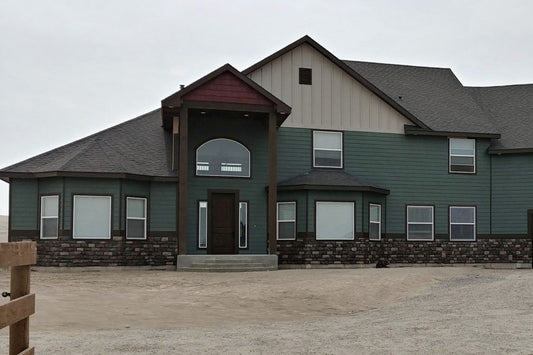
Consider where the stone will be installed and how it will complement surrounding materials. Warm earth tones can complement traditional architecture, while gray and charcoal colors often suit contemporary designs. Fireplace surrounds, exterior facades, foundation walls, and outdoor kitchens may each benefit from different stone profiles.
Product dimensions and construction also affect the ordering process. Some manufactured stone veneer products consist of individual stones, while others are available as panels. Understand how the selected product is packaged, measured, and sold before calculating the final quantity.
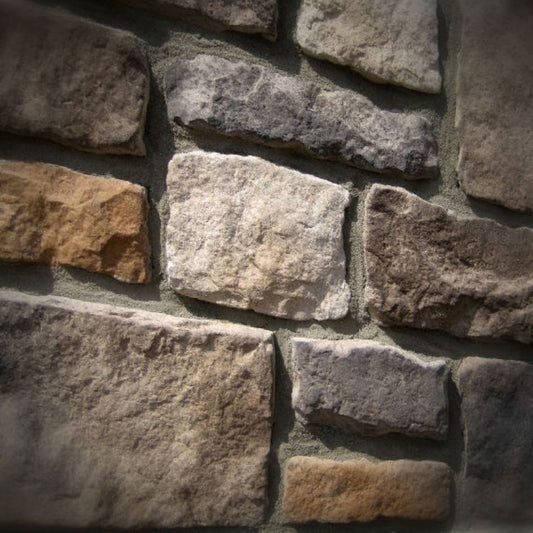
Ordering physical samples is a useful way to compare color, texture, and thickness before committing to a full order. View samples under the lighting conditions in which the stone will be installed and alongside your existing finishes. Product photographs provide inspiration, but a physical sample helps you make a more informed decision.
Why You Should Plan Your Stone Veneer Order Early
Spring and summer often bring increased demand for building materials as homeowners begin renovations and contractors take on new projects. Popular stone veneer colors and profiles may become less readily available, while production schedules and freight delivery times can fluctuate.
Ordering early gives you more time to select the right product, confirm quantities, and coordinate the delivery with your installation schedule. It also provides an opportunity to resolve questions about corners, accessories, substrates, and other project requirements before work begins.
Lead times vary by product and supplier. In-stock products may be ready to ship sooner, while made-to-order manufactured stone veneer requires production time before shipment. Freight transit adds another stage to the schedule, and weather or transportation disruptions may affect delivery.
Confirm current availability and estimated lead times before scheduling installation. Ideally, your material should arrive with enough time for you or your contractor to inspect the shipment and prepare for the work without putting the overall project timeline at risk.
What to Know Before Buying Manufactured Stone Veneer Online
Purchasing manufactured stone veneer online allows you to compare products and review specifications without travelling between suppliers. However, it's important to understand the complete ordering and delivery process before checking out.
Review the product specifications, coverage information, corner requirements, minimum order quantities, warranty terms, and return policies. Confirm whether shipping is calculated separately or included in the product price, and determine whether delivery is curbside or requires additional unloading arrangements.
Stone veneer is heavy, and freight shipments may arrive on pallets that require a suitable delivery location. Make sure the delivery address is accessible to the carrier and that someone is available to inspect the shipment and identify any visible damage or missing materials.
Before placing the order, double-check the selected profile, color, flat stone quantity, corner quantity, and delivery information. Ask questions whenever a specification or requirement is unclear. Resolving uncertainties before checkout can help prevent costly corrections after the order has been processed.
Getting Help With Your Stone Veneer Estimate
A stone veneer supplier can often help review your measurements and prepare a preliminary material estimate. Providing the dimensions of each installation area, the square footage of openings, the linear footage of outside corners, and details about the selected product makes this process more useful.
Project photographs and architectural drawings can provide additional context, especially for complex installations. However, these resources should supplement rather than replace actual measurements whenever possible.
Because suppliers cannot independently verify conditions at your job site, estimates based on customer-provided information should be treated as guidelines rather than guarantees. The homeowner, contractor, mason, or installer responsible for the project should verify all dimensions and confirm the final material quantities before ordering.
How to Measure and Order Manufactured Stone Veneer for Your Project
A successful manufactured stone veneer installation begins with accurate measurements and thoughtful planning. Calculate the square footage of every surface, subtract openings, measure outside corners separately, and allow approximately 10-15% extra for cutting and installation waste. Verify measurements at the job site and confirm product specifications before finalizing your order.
Planning ahead also means selecting your stone early, reviewing shipping requirements, and allowing sufficient time for production and delivery. These steps can help you avoid material shortages, control project costs, and achieve a consistent finished appearance.
Frequently Asked Questions About How to Measure and Order Manufactured Stone Veneer for Your Project
How do I calculate how much manufactured stone veneer I need?
Measure the height and width of each surface receiving stone and multiply them to calculate square footage. Add the surface areas together, subtract windows and doors, measure outside corners separately in linear feet, and add approximately 10-15% extra for cuts and waste.
How much extra manufactured stone veneer should I order?
For most projects, an additional 10-15% is a reasonable starting point. Complex installations with numerous corners, openings, and architectural details may require more, depending on the selected product and installation layout.
Are manufactured stone veneer corners measured in square feet or linear feet?
Outside corner pieces are generally measured and sold by the linear foot. Measure the height of each outside corner where corner pieces will be installed and add the measurements together. Always confirm the specific product's ordering requirements.
Can I order manufactured stone veneer using architectural plans?
Architectural plans and material takeoffs can help establish a preliminary estimate, but actual job-site measurements are more reliable. Construction changes and installation details may affect the final quantity, so verify dimensions before placing your order.
Why should I order all my stone veneer at once?
Ordering the complete quantity together can help reduce the risk of production-run color variations, avoid additional freight charges, and prevent installation delays while waiting for more material. Keeping a small amount of leftover stone is also helpful for future repairs.
Should I order samples before purchasing stone veneer online?
Yes. Samples allow you to examine the actual color, texture, and thickness before committing to a larger purchase. Comparing samples with your home's lighting and surrounding materials can help you select a product that suits your project.
What's next?
Enhance your home with premium manufactured stone veneer, showcasing authentic textures and vibrant, natural colors. Shop now to start your durable, timeless project or order a sample to view the detail up close.
Have a Question?
Please see our full terms of service or check out our frequently asked questions.
For general information and questions please call: (864) 882-8960 Mon. - Fri. 8am - 5pm (EST) or email: info@blackbearmountainstone.com we are more than happy to help you.
Or you can submit your questions via our contact us page.
We look forward to working with you on your upcoming project.
The Black Bear Mountain Stone Team
Pictured is an AI image of a professional installer taking measurements.