
What is Brick Veneer? Pros, Cons, Benefits, and Uses
Share
Originally posted July 19, 2024, updated February 2, 2026.
Brick veneer is a thin, non-load-bearing layer of brick or manufactured brick veneer installed over a prepared wall to create the classic appearance of brick without the weight and construction requirements of a full-thickness brick wall. It offers versatile design options for interior and exterior projects, including accent walls, fireplaces, and home facades, with installation requirements and performance depending on the product and application.
Brick has remained a popular building material for generations because of its warmth, texture, and timeless appeal. From traditional red brick homes to contemporary interiors with exposed brick walls, this classic look complements a wide range of architectural styles. However, full-thickness brick construction can involve substantial material costs, specialized labor, and structural considerations that may not suit every project.
Brick veneer offers another way to achieve the appearance of brick without building an entire wall from full-sized bricks. Available in different colors, textures, and finishes, brick veneer can transform an exterior facade, create an inviting fireplace surround, or add character to an interior feature wall. Manufactured brick veneer provides additional design flexibility by replicating the appearance of traditional brick in a thinner, lighter format.
Understanding the advantages and disadvantages of brick veneer can help homeowners, contractors, and designers determine whether it is the right material for their projects.
Understanding Brick Veneer
Brick veneer is a non-load-bearing layer of brick installed over a supporting wall. Unlike structural brick masonry, which may contribute to a building's structural support, brick veneer serves primarily as an exterior or interior finish. The underlying wall and framing provide the necessary structural support.
The term brick veneer can describe different products and construction methods. Traditional thin brick veneer uses thin sections of fired clay brick, while manufactured brick veneer is commonly made from Portland cement, lightweight aggregates, and iron oxide mineral pigments. Manufactured products are designed to reproduce the color variations, textures, and surface characteristics associated with traditional brick.
These thinner materials create opportunities for brick-inspired designs where full-thickness masonry would be impractical or unnecessarily expensive. They can be used on appropriately prepared exterior walls, interior feature walls, fireplace surrounds, and other suitable surfaces, provided the selected product is approved for the intended application.
Although brick veneer is generally lighter than full brick construction, it is not suitable for every substrate or installation condition. Proper surface preparation, moisture management, compatible installation materials, and compliance with local building codes remain essential.
What are the Advantages of Brick Veneer?
One of the biggest advantages of brick veneer is its ability to deliver a traditional brick appearance with fewer material and structural demands than full-thickness brick construction. Because veneer is thinner and generally lighter, it can be a practical option for renovations, remodeling projects, and new construction where the appearance of brick is desired without building a full masonry wall.
Cost is another important consideration. Brick veneer typically requires less material than a full-thickness brick wall, and installation may involve less labor and fewer structural modifications. However, the total project cost depends on the specific veneer product, wall preparation, installation method, labor rates, and any additional moisture-management components. Comparing complete installed costs provides a more accurate picture than comparing material prices alone.
Design flexibility is also a major benefit. Brick veneer is available in a variety of colors, textures, and finishes, ranging from traditional red and weathered brown to subdued gray and contemporary neutral tones. These options make it easier to coordinate brick with existing siding, roofing, flooring, cabinetry, and other architectural features.
Brick veneer can also be used in a variety of settings. Exterior facades, entryways, fireplace surrounds, kitchen feature walls, and commercial interiors can all benefit from the texture and character of brick. Its thinner profile makes it particularly useful when adding a masonry-inspired finish to an existing space without introducing the bulk of a full brick wall.
When properly selected and installed, quality brick veneer can provide long-lasting performance with relatively little routine maintenance. It does not rot like untreated wood or require regular painting simply to maintain a brick-like appearance. Periodic inspections and appropriate cleaning can help preserve its appearance over time.
What are the Disadvantages of Brick Veneer?
Despite its advantages, brick veneer has limitations worth considering before beginning a project. The most important distinction is that veneer does not provide the structural function of a load-bearing brick wall. It is a finish material, so the supporting structure must be designed to carry the building loads independently.
Moisture management is another important consideration, particularly for exterior installations. Water can enter through improperly detailed joints, openings, or transitions and become trapped behind the veneer if the wall assembly is not designed correctly. Depending on the construction method, appropriate flashing, drainage provisions, water-resistive barriers, and weep systems may be necessary. Requirements vary by product and installation type, so the complete wall assembly must be designed and installed correctly.
Brick veneer also provides limited insulation on its own. Although a masonry veneer may influence a wall assembly's thermal performance, it should not be treated as a substitute for properly designed insulation. Energy efficiency depends primarily on the complete building envelope, including insulation, air sealing, windows, and moisture control.
Installation can present additional challenges for homeowners attempting a do-it-yourself project. While some veneer systems are suitable for experienced DIYers, exterior walls, fireplaces, and other demanding applications require careful attention to substrate preparation, attachment methods, mortar joints, clearances, and applicable building codes. An installation that looks attractive initially may still develop problems if the underlying requirements are overlooked.
Finally, not every brick veneer product offers the same durability, moisture resistance, or suitability for specific applications. Product specifications matter. A veneer designed for interior use should not automatically be assumed appropriate for an exposed exterior, wet environment, or high-temperature application.
Brick Veneer vs. Full Brick: What's the Difference?
Brick veneer and full-thickness brick construction can create a similar visual effect, but they differ in construction, weight, cost, and structural function.
Full brick walls use substantially more masonry material and may be designed to support building loads, depending on the construction system. They also have greater thickness and thermal mass. Brick veneer, by comparison, is a thinner decorative finish attached to or supported by an independently designed wall assembly.
Because veneer uses less material, it can often be installed with less weight and at a lower overall cost than constructing a comparable full-thickness brick wall. This can make it especially appealing for remodeling projects where adding substantial weight or changing the building structure would be impractical.
However, the two approaches are not interchangeable in every situation. Full masonry construction and veneer assemblies have different structural and moisture-management requirements. Neither should be assumed to provide better insulation or lower long-term costs without considering the entire wall system.
For homeowners primarily interested in the appearance of brick, veneer can be a practical solution. Those seeking structural masonry, greater masonry thickness, or a particular traditional construction method may have different priorities.
Why Choose Red Brick Manufactured Veneer?
Red brick remains one of the most recognizable and enduring architectural finishes. Its earthy tones can create a welcoming, traditional appearance or introduce warmth and contrast into a contemporary design. Manufactured red brick veneer makes this look accessible to projects where full-thickness brick construction may not be practical.
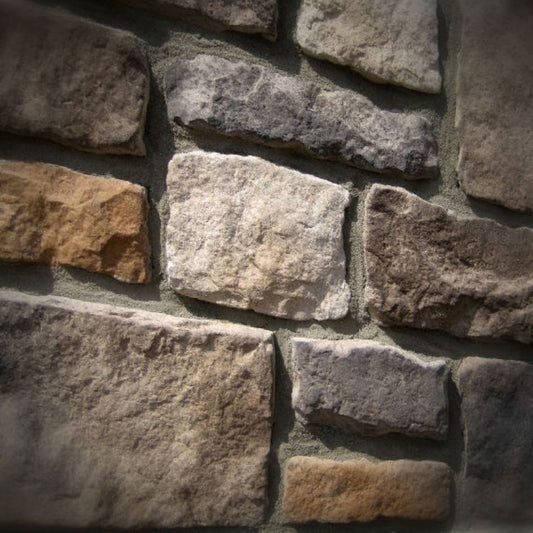
Color variations range from deep reds and burgundy tones to softer terracotta and orange-brown shades. Surface textures can also influence the overall effect, with weathered finishes lending a sense of age and character while more uniform surfaces can complement streamlined architectural designs.
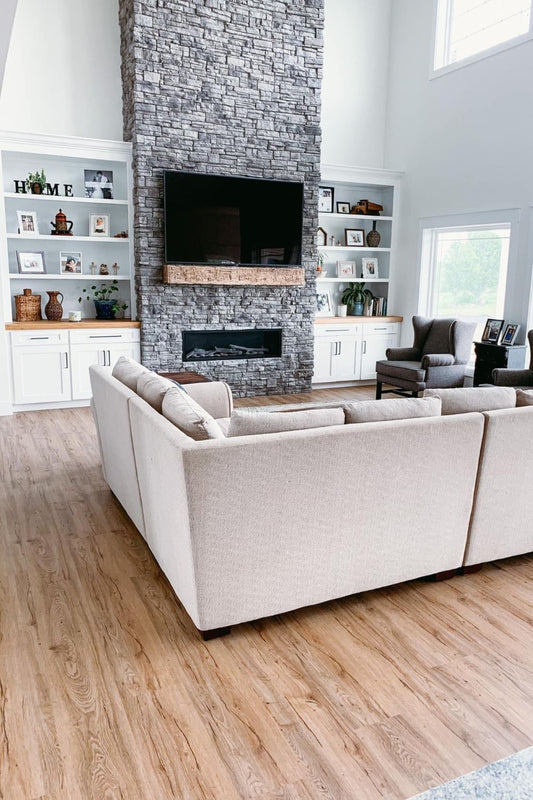
Inside the home, red brick veneer works well as a living room accent wall, fireplace surround, kitchen feature, or entryway finish. It can help establish a rustic farmhouse aesthetic, complement industrial-inspired interiors, or add visual warmth to spaces dominated by smooth surfaces and neutral colors.
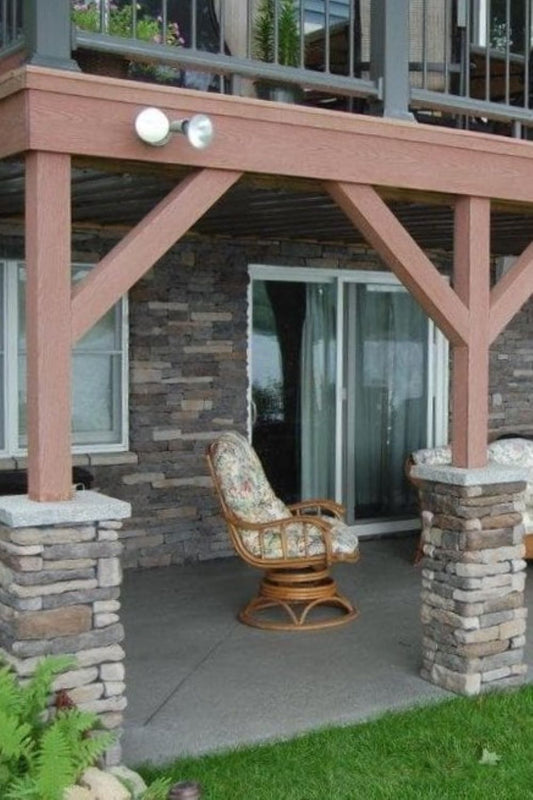
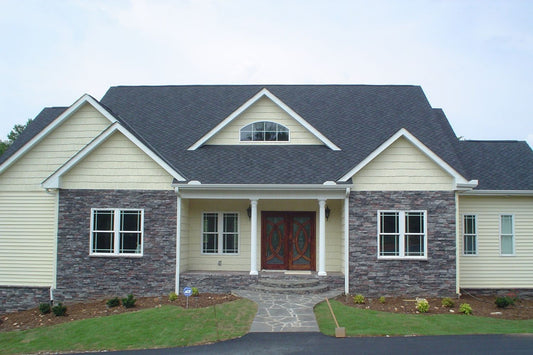
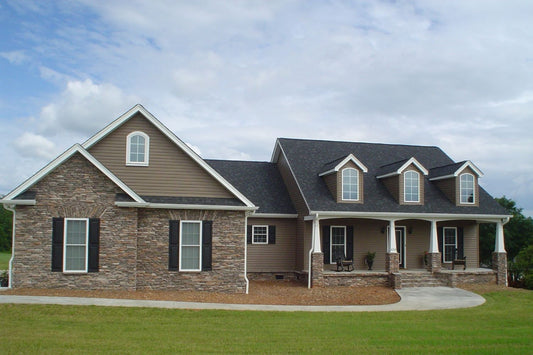
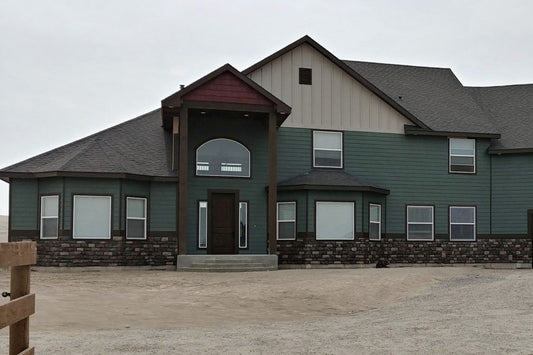
On exteriors, red brick veneer can highlight an entryway, complement siding, or provide a distinctive finish for selected portions of a home's facade. It can also add character to suitable outdoor living features and commercial spaces.
When selecting a color, consider the surrounding materials rather than evaluating the brick in isolation. Roof shingles, window frames, mortar color, landscaping, and exterior lighting can all influence how the finished installation looks. Obtaining a physical sample and viewing it under different lighting conditions can help you make a more confident decision.
Where Can You use Brick Veneer?
Brick veneer offers considerable flexibility for residential and commercial design. Exterior applications include suitable wall facades, architectural accents, entryways, and other vertical surfaces. The selected product must be rated for exterior use, and the installation must account for weather exposure and the requirements of the underlying wall assembly.
Interior applications offer even more opportunities to introduce brick texture without major structural changes. Accent walls in living rooms, dining areas, bedrooms, and home offices can create a focal point without covering every wall. A brick feature can also complement wood beams, metal accents, natural stone, and other materials.
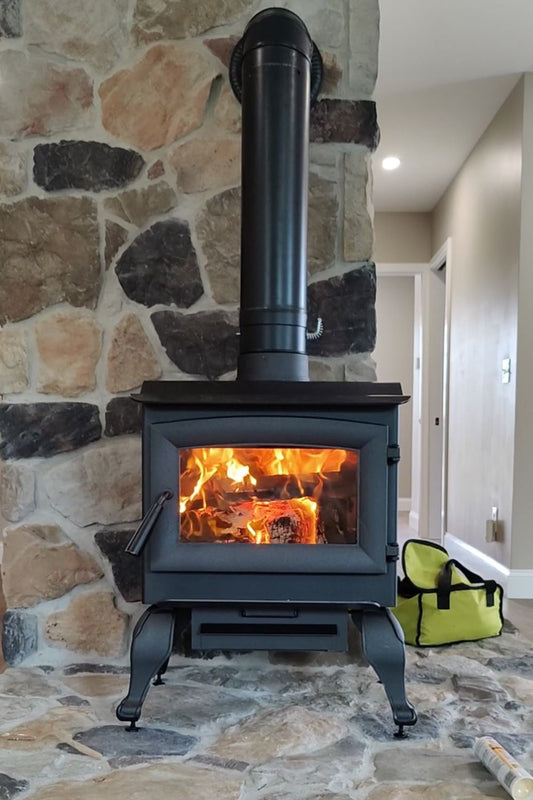
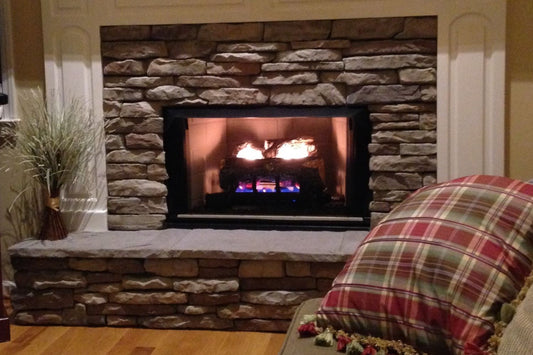
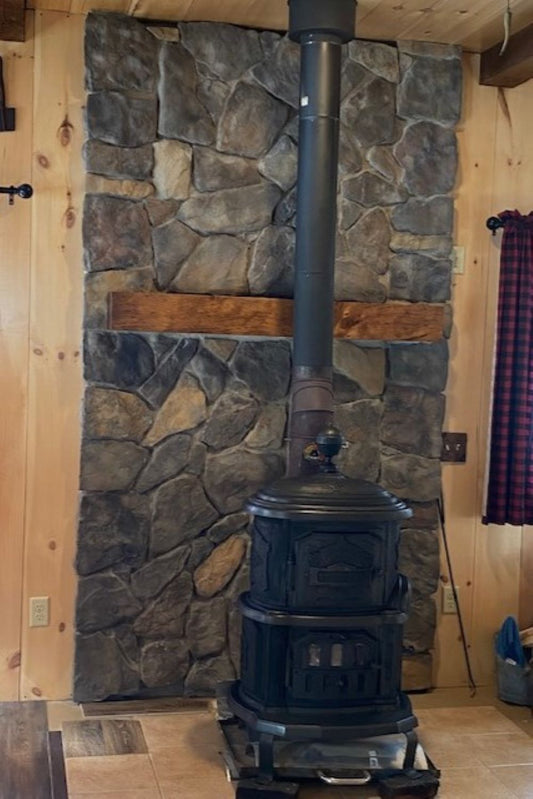
Fireplace surrounds are another popular application because brick naturally complements the traditional character of a fireplace. However, veneer products have specific temperature and clearance limitations. A product's non-combustibility alone does not establish that it is suitable for direct flame exposure or every part of a fireplace assembly. Always verify the product's approved use and follow applicable fireplace requirements.
Kitchens and commercial interiors can also benefit from brick-inspired finishes. Before installing veneer near sinks, cooking areas, or other locations exposed to moisture and grease, consider the surface texture, joint design, cleaning requirements, and whether an appropriate compatible sealer is suitable for the application.
How to Choose the Right Brick Veneer
Choosing brick veneer begins with understanding the style of the building and the effect you want to achieve. Traditional red brick can complement classic architecture, while gray, whitewashed-looking, or muted earth-tone products may suit contemporary homes. Weathered textures can create an aged appearance, whereas more consistent finishes can produce a more uniform design.
Color coordination deserves particular attention. Compare the veneer with existing materials, including roofing, siding, trim, flooring, and cabinetry. Mortar color and joint width also influence the finished appearance, so they should be considered as part of the overall design rather than as minor finishing details.
Product composition and intended use are equally important. Confirm that the veneer is appropriate for the installation location and that the manufacturer provides clear preparation and installation instructions. Review the requirements for the substrate, attachment method, moisture management, and maintenance before purchasing materials.
Installation planning can help avoid unnecessary costs and delays. Measure the area carefully, account for corners and openings, and determine how the selected product is installed. A qualified installer can help assess the existing wall and identify preparation work or other requirements before the project begins.
For a color-sensitive project, ordering a sample is a useful way to evaluate the actual texture and color before committing to a larger quantity. Samples allow you to see how the product looks in your own space and compare it with surrounding materials.
What is Brick Veneer?
Brick veneer offers a balance of classic appearance, design flexibility, and practical installation advantages. It can provide the character of traditional brick without the material volume and structural demands of full-thickness masonry, making it a useful option for both new construction and renovations.
Its suitability depends on more than appearance alone. The product must match the intended application, the supporting wall must be appropriate, and the installation must address moisture management and other relevant building requirements. Although veneer can be relatively low maintenance, it still benefits from periodic inspection and proper care.
For homeowners, contractors, and designers who want to incorporate brick into a project, manufactured brick veneer offers a versatile way to introduce texture, warmth, and architectural interest. By comparing product options, evaluating samples, and planning the installation carefully, you can select a finish that complements your design and meets the practical needs of the space.
Frequently Asked Questions About Brick Veneer About What is Brick Veneer?
Is brick veneer cheaper than full brick?
Brick veneer is generally less expensive than full-thickness brick construction because it uses less material and may require less labor and structural preparation. Actual costs depend on the product, installation method, site conditions, and labor rates.
How long does brick veneer last?
Quality brick veneer can last for decades when the product is appropriate for the application and installed correctly. Longevity depends on the materials, installation quality, exposure conditions, moisture management, and ongoing maintenance.
Can brick veneer be used indoors and outdoors?
Yes. Products designed for the appropriate conditions can be used on interior accent walls, fireplace surrounds, and exterior facades. Always confirm the manufacturer's approved applications and follow the required installation and moisture-management details.
Does brick veneer require sealing?
Not every brick veneer installation needs a sealer. Sealing may be beneficial in certain environments, particularly where staining or moisture exposure is a concern, but the decision depends on the product and application. If sealing is appropriate, use a compatible, breathable product when required and test it on a sample first.
Can I install brick veneer myself?
Some brick veneer projects are suitable for experienced DIYers, but the difficulty varies by product and location. Exterior installations and projects involving fireplaces or complex wall conditions may require professional expertise to ensure proper preparation, attachment, moisture management, and code compliance.
Does brick veneer improve home insulation?
Brick veneer should not be considered a substitute for insulation. Although it may influence the performance of the overall wall assembly, energy efficiency depends on the complete building envelope, including insulation, air sealing, and moisture control. Properly designed insulation is necessary to achieve the intended thermal performance.
What's Next?
Transform your space with our premium stone veneer! Shop now to find the perfect style or order a sample today to experience the quality firsthand!
Have a Question?
Please see our full terms of service or check out our frequently asked questions.
For general information and questions please call: (864) 882-8960 Mon. - Fri. 8am - 5pm (EST) or email: info@blackbearmountainstone.com we are more than happy to help you.
Or you can submit your questions via our contact us page.
We look forward to working with you on your upcoming project.
The Black Bear Mountain Stone Team
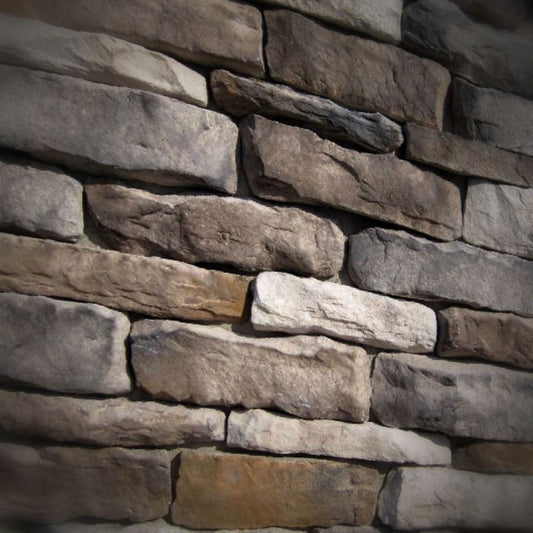
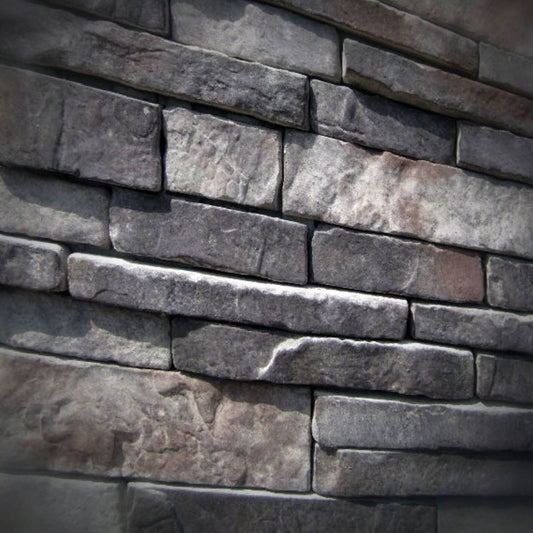
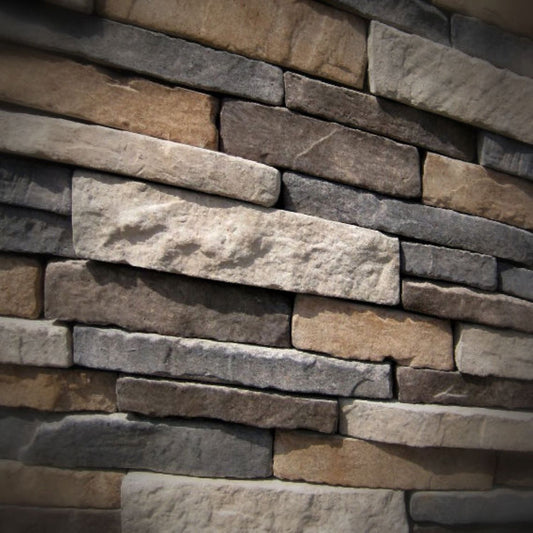
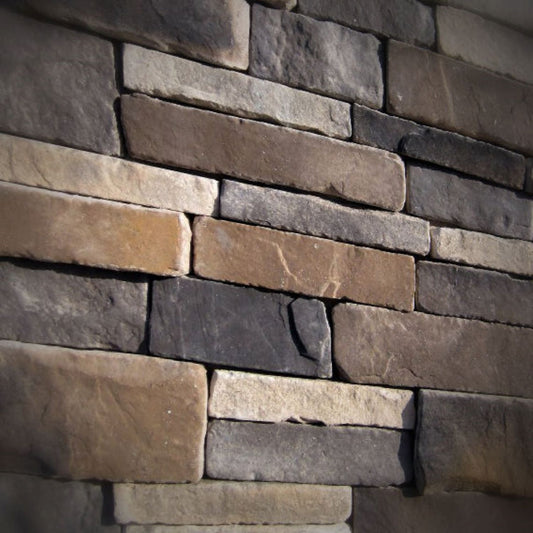
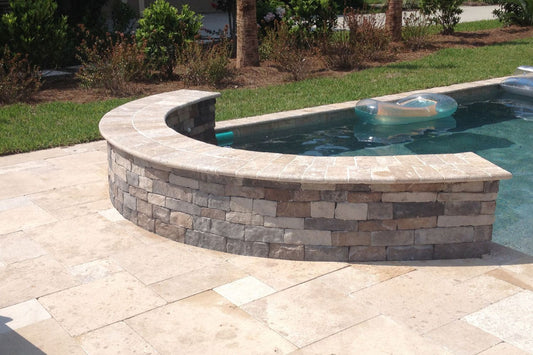
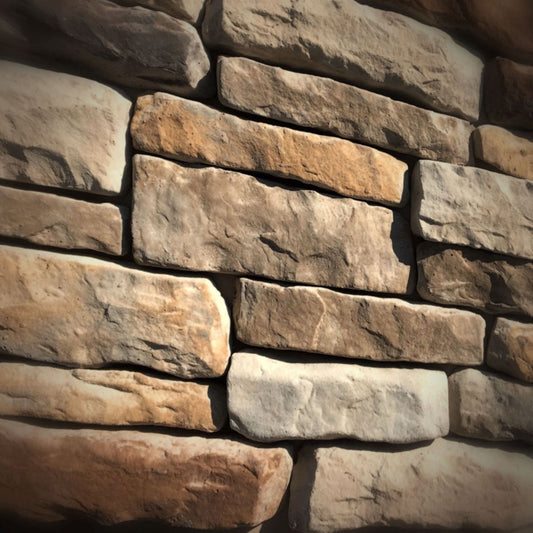
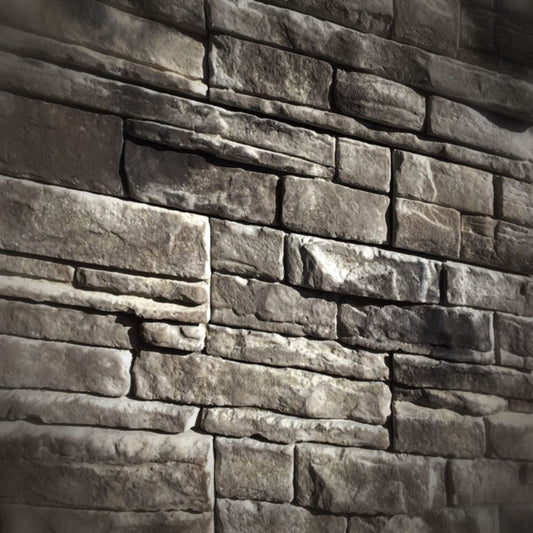
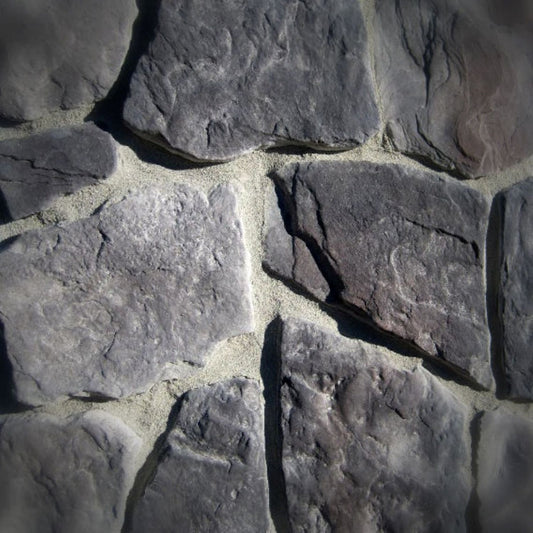
Pictured is brick veneer hampton.