
What is Ledgestone? A Guide to Ledgestone Veneer
Share
Originally posted February 2, 2024, updated January 8, 2026.
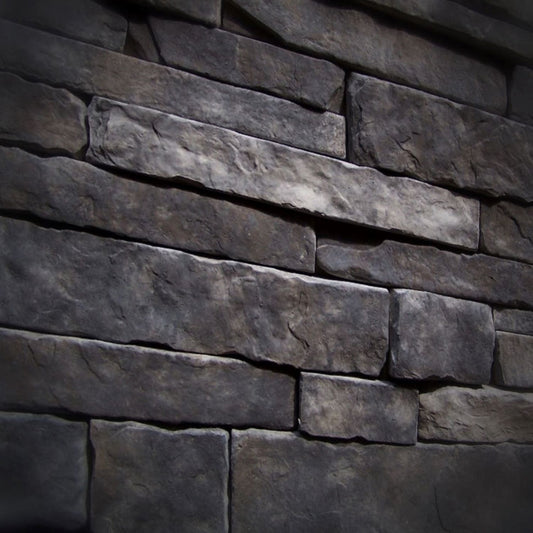
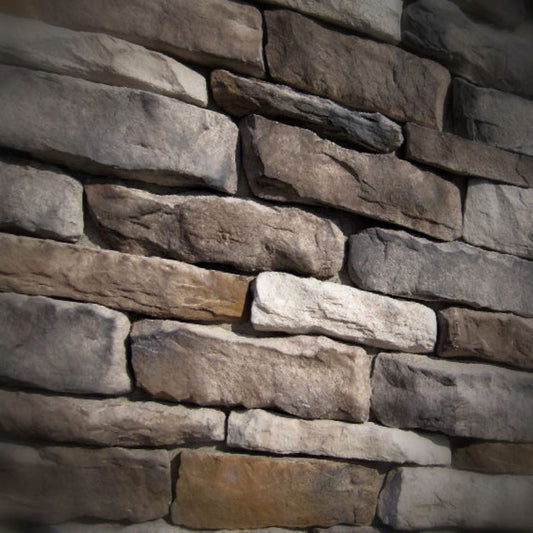
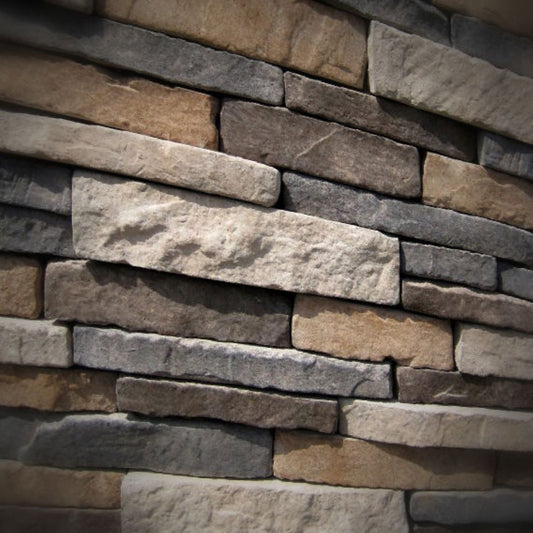
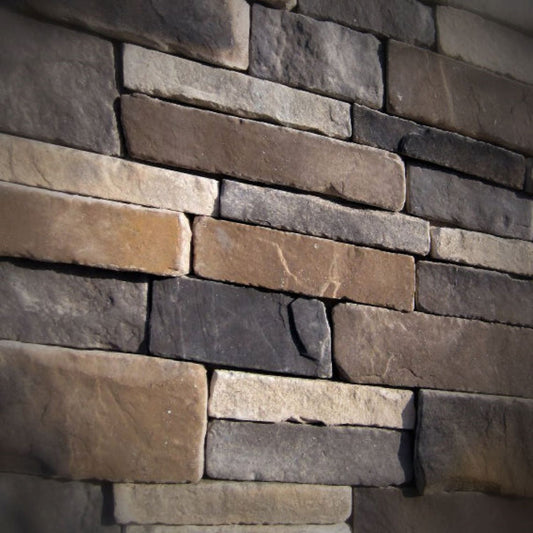
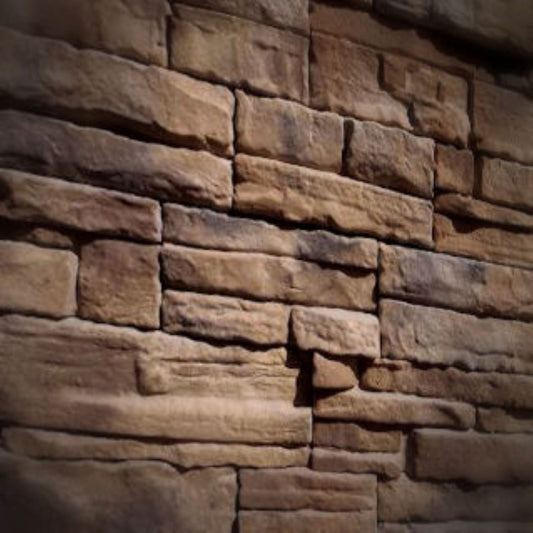
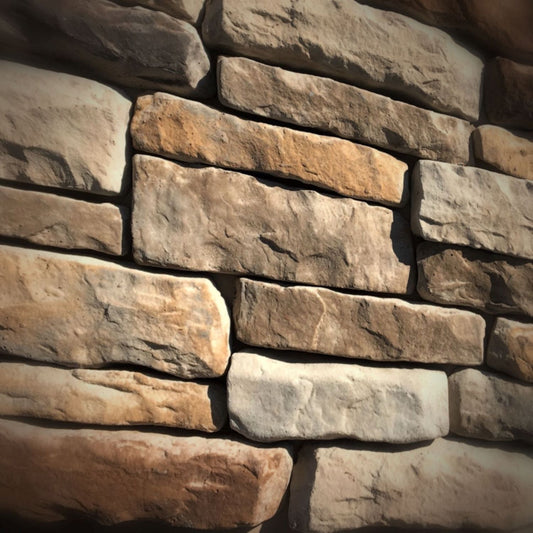
Ledgestone is a manufactured stone veneer characterized by longer, thinner stones arranged in pronounced horizontal courses. Its varied sizes, irregular edges, textures, and colors create a natural, layered appearance inspired by quarried stone.
Ledgestone is one of the most recognizable styles of manufactured stone veneer, known for its horizontal lines, layered appearance, and natural variation. It brings the texture and character of stone to walls, fireplaces, facades, and outdoor living spaces without the weight and installation challenges associated with full-bed natural stone.
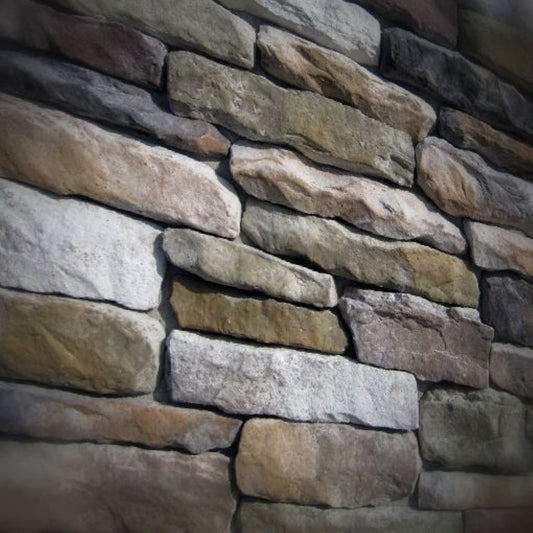
Manufactured stone veneer ledgestone is designed to recreate the appearance of naturally occurring ledge formations, where layers of stone develop horizontal lines and irregular faces over time. Individual pieces vary in length, height, thickness, texture, and color, creating a surface with movement rather than a perfectly uniform pattern.
The result is a stone veneer style that works across a wide range of architectural designs. Ledgestone can give a rustic home a rugged natural appearance, add texture to a contemporary exterior, or create a warm focal point around an interior fireplace. Understanding what makes ledgestone different from other manufactured stone veneer styles can make it easier to choose the right profile for a project.
What is Manufactured Stone Veneer Ledgestone?
Manufactured stone veneer ledgestone is a cement-based cladding material made to replicate the appearance of natural ledge stone. It is produced using Portland cement, lightweight aggregates, and iron oxide mineral pigments, then molded to create the shapes, textures, and dimensional variation associated with natural stone.
Unlike full-bed natural stone, manufactured stone veneer is designed specifically as a veneer rather than as structural masonry. Its reduced weight makes it easier to transport and handle while providing the visual depth and texture homeowners and designers want from stone.
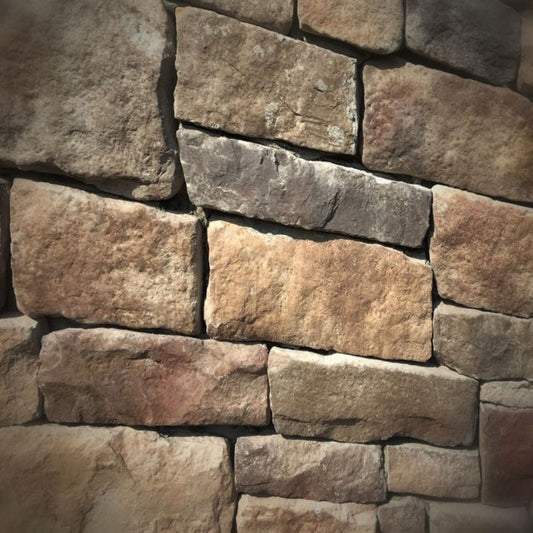
The defining characteristic of ledgestone is its horizontal orientation. Individual stones are generally longer and thinner than many other stone veneer profiles, and the pieces are arranged to emphasize horizontal courses. However, ledgestone should not look perfectly uniform. Variations in stone length, height, face texture, edges, and color are important parts of its natural appearance.
This combination of horizontal structure and irregular variation gives ledgestone its distinctive character.
What Does Ledgestone Look Like?
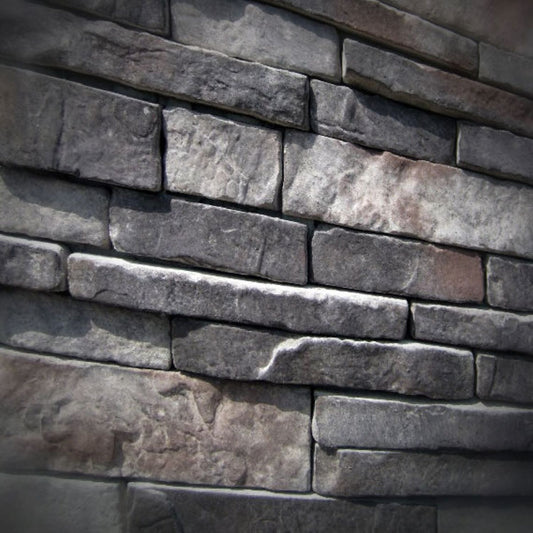
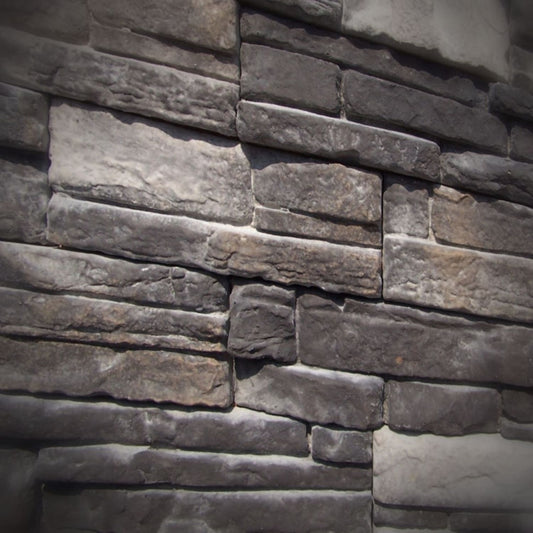
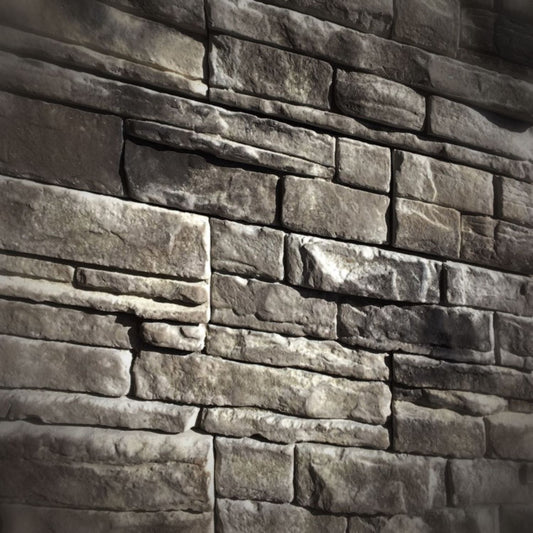
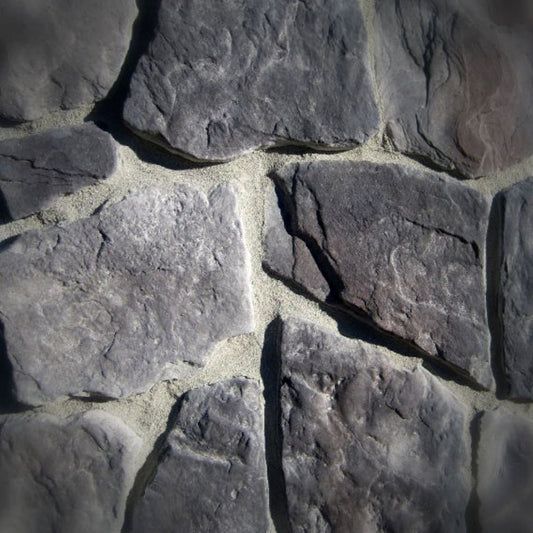
Ledgestone has a layered, linear appearance created by stones that run predominantly from side to side across a wall. The individual pieces are typically narrower than their length, creating pronounced horizontal lines and a strong sense of direction.
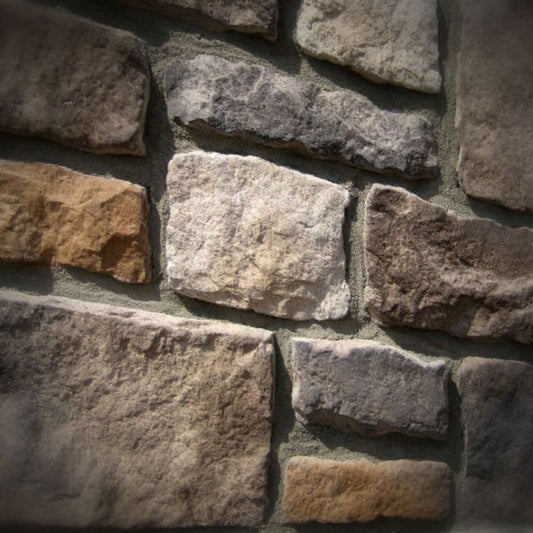
The stones themselves can have irregular edges and varying dimensions. Some pieces may be relatively straight while others have more natural breaks and surface variations. These differences help prevent the finished wall from looking repetitive or manufactured.
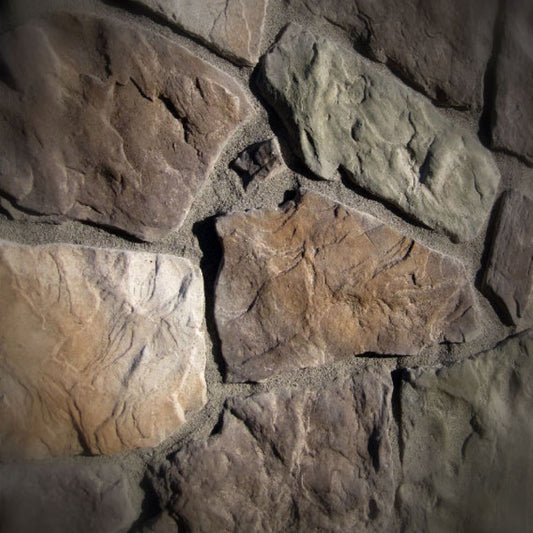
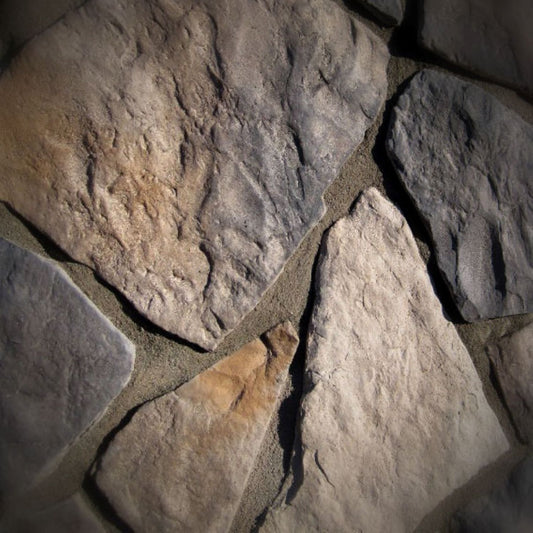
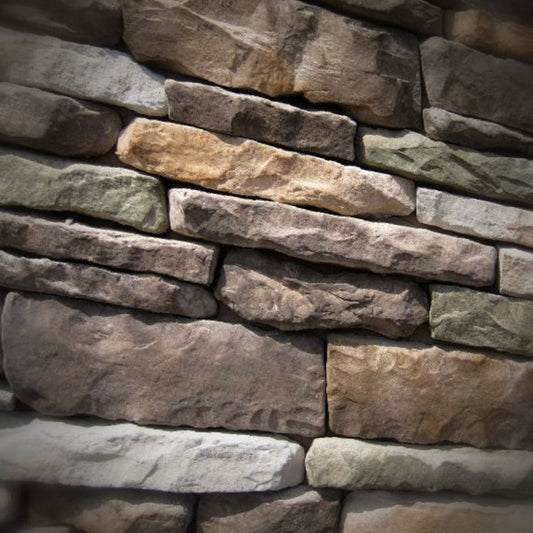
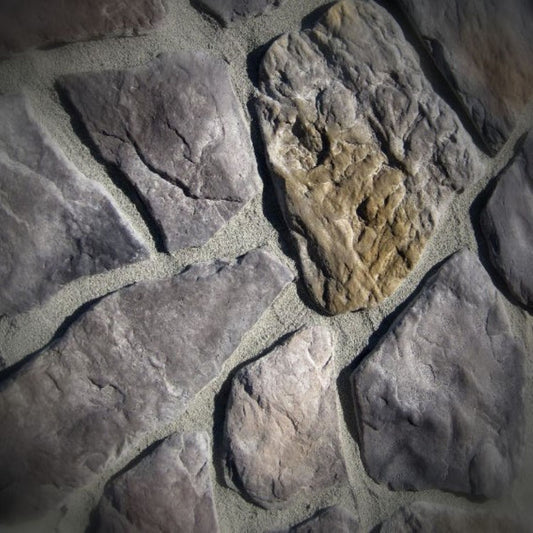
Color is another important part of the appearance. Manufactured ledgestone can be produced in earthy browns, tans, rusts, grays, charcoals, creams, whites, and combinations of several tones. Individual stones can also contain subtle color variation, helping the completed installation resemble natural stone.
Texture and depth contribute to the overall effect as well. Raised faces, recessed areas, uneven edges, and changing stone thicknesses create shadows across the surface. As natural or artificial light changes throughout the day, those shadows can make a ledgestone wall appear even more dimensional.
Ledgestone vs. Stacked Stone
Ledgestone and stacked stone are sometimes used interchangeably, but they are not necessarily the same stone veneer style. Both can have a linear appearance, but the overall visual effect is different.
Ledgestone generally emphasizes longer, thinner stones, pronounced horizontal coursing, and greater variation in individual stone sizes. The result is a layered appearance that resembles naturally occurring ledges or horizontally fractured stone.
Stacked stone typically has a tighter arrangement of individual stones with narrower joints and a more compact appearance. Depending on the profile, stacked stone can use relatively consistent stone heights and lengths to create a more organized, tightly fitted surface.
The distinction matters when choosing a stone veneer for a project. Someone looking for strong horizontal lines and a more naturally varied ledge-like appearance may prefer ledgestone, while someone wanting a tighter, more compact dry-stack appearance may prefer stacked stone.
Neither style is inherently better. The choice depends on the architectural style, surrounding materials, desired texture, and overall appearance of the project.
Where Can Ledgestone Be Used?
One of the biggest advantages of manufactured stone veneer ledgestone is its versatility. It can be used indoors or outdoors to add texture, dimension, and visual interest to otherwise flat surfaces.
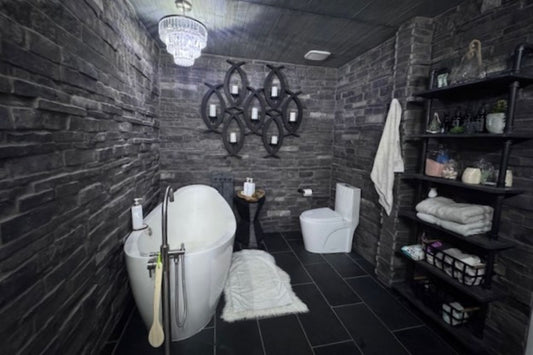
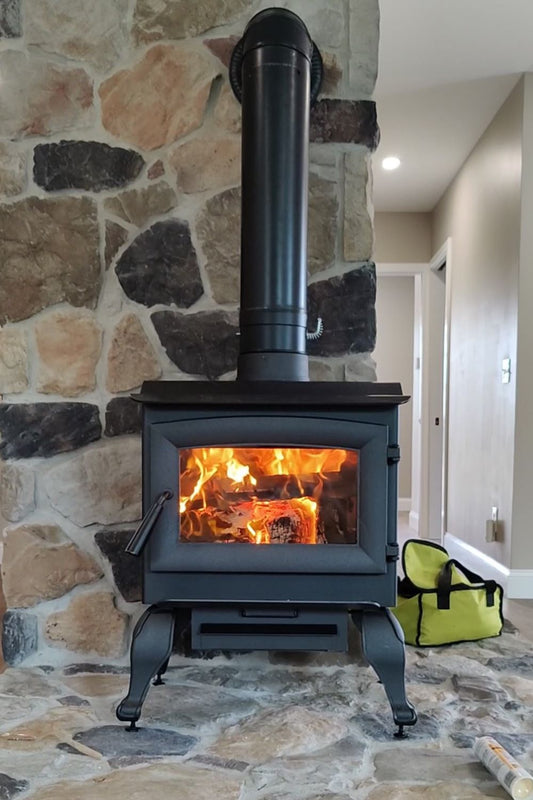
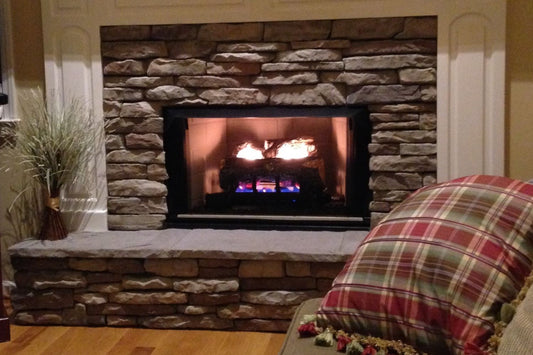
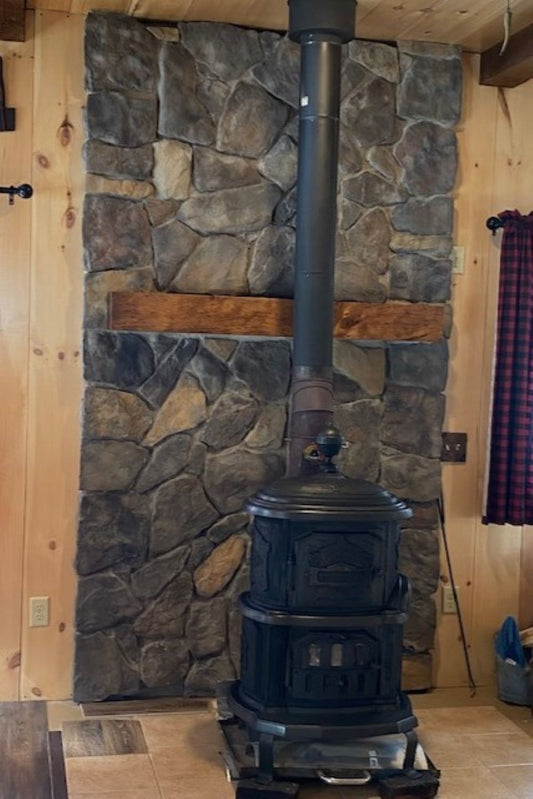
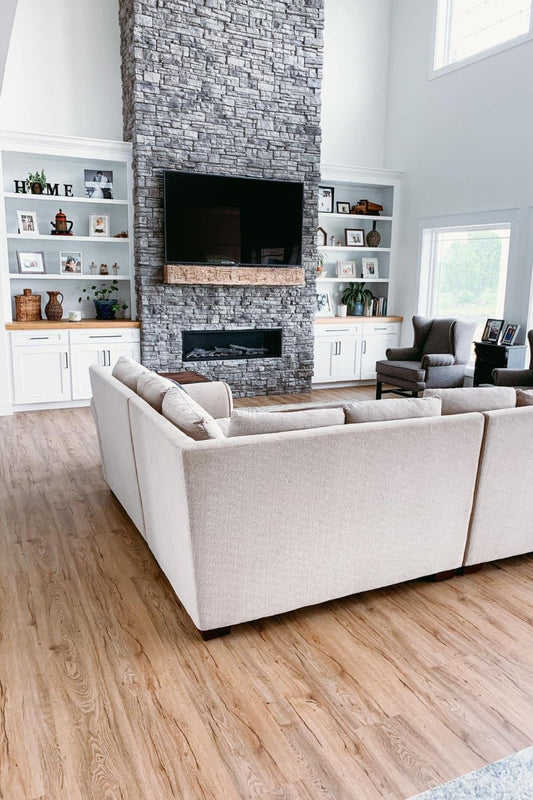
Fireplaces are one of the most popular interior applications. A ledgestone fireplace surround can become the focal point of a living room, family room, bedroom, or other gathering space. The horizontal lines and textured faces create visual depth and pair naturally with materials such as wood, metal, glass, and painted walls.
Ledgestone can also be used for interior accent walls and architectural features. A feature wall in an entryway or living space can introduce the appearance of natural stone without covering the entire room. In kitchens and other areas, stone veneer can be used to create distinctive architectural accents.
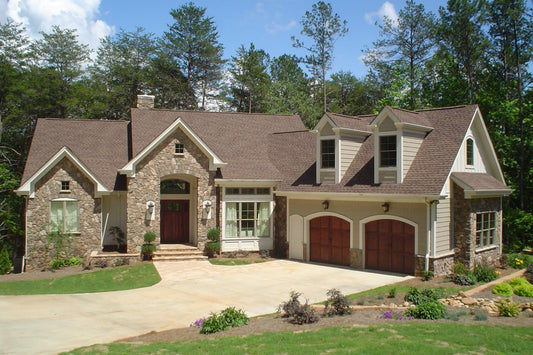
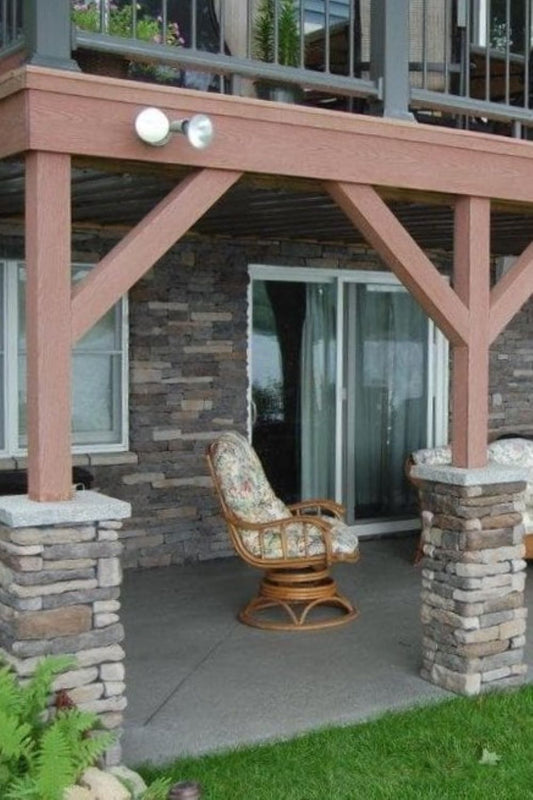
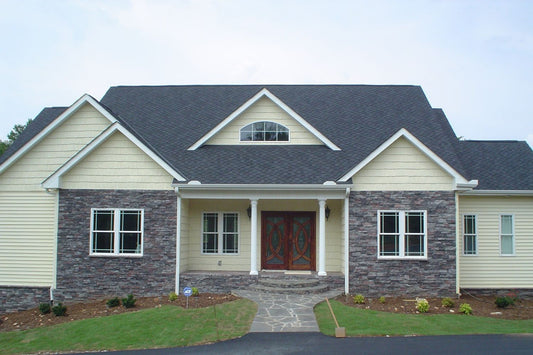
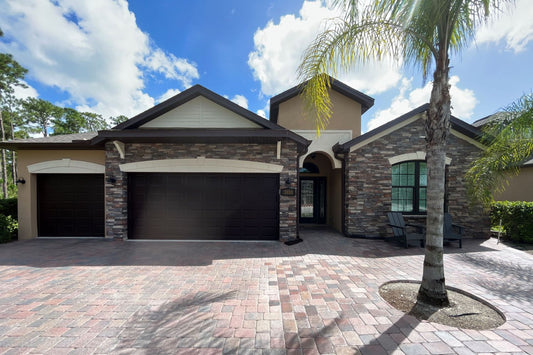
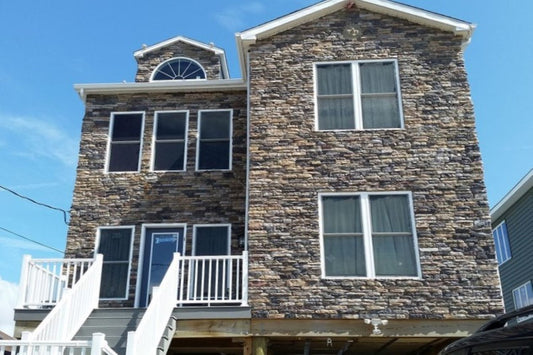
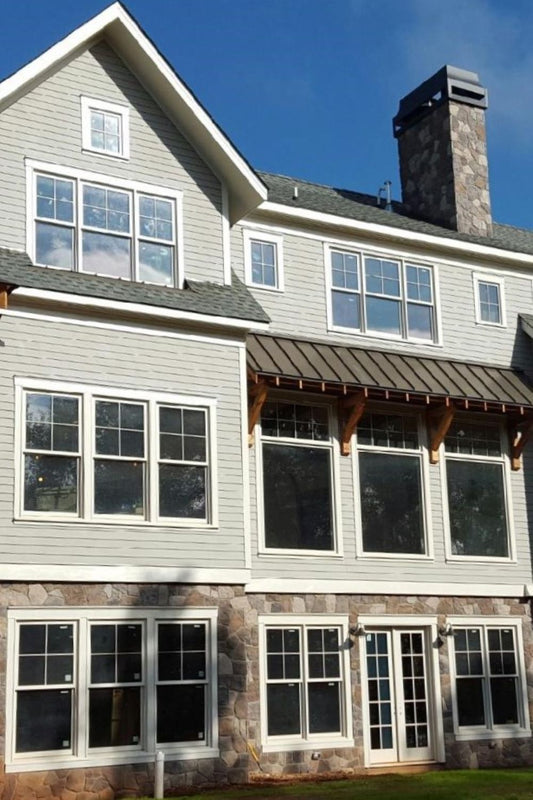
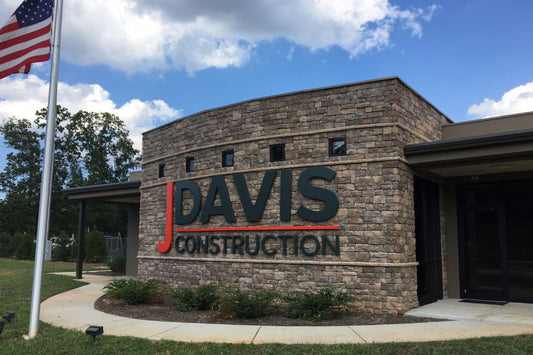
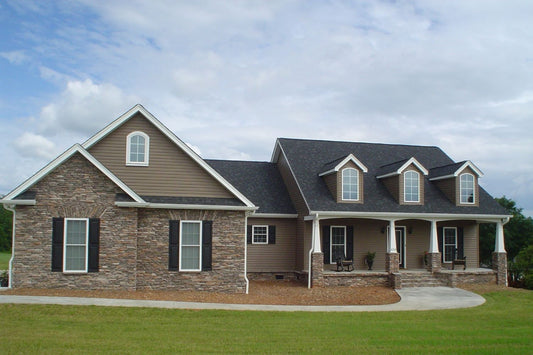
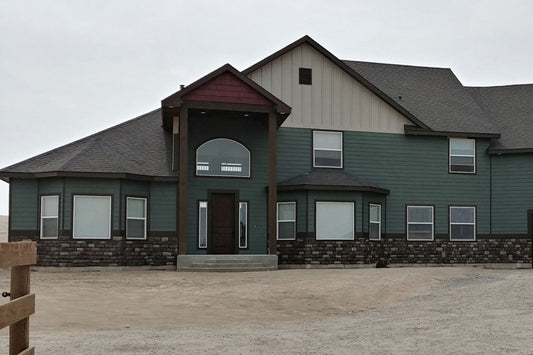
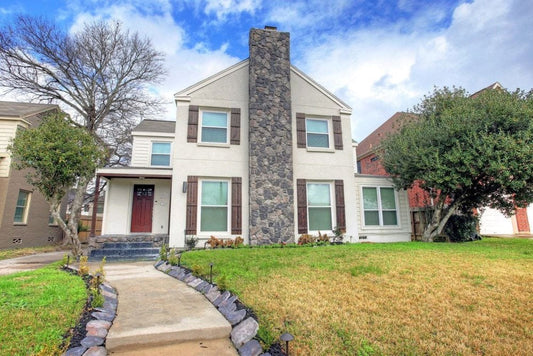
Exterior applications are equally common. Ledgestone can be used on portions of a home's facade, around entryways, on columns, and on other architectural features. Using stone as an accent rather than covering an entire exterior can create contrast with siding, stucco, wood, or other cladding materials.
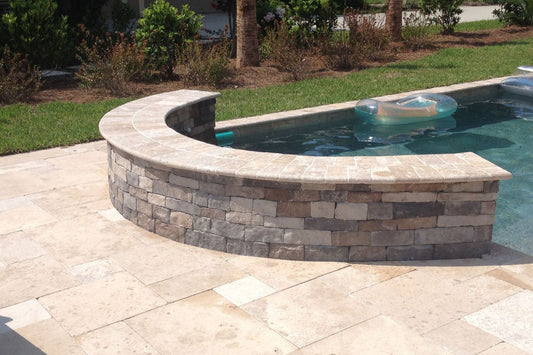
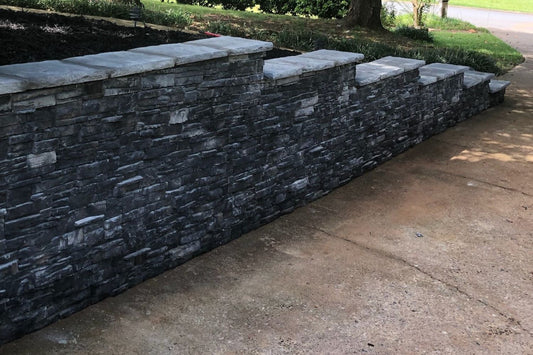
Ledgestone is also well suited to outdoor living spaces. Depending on the specific product and installation, it can be incorporated into features such as outdoor fireplaces, walls, columns, and other architectural elements. Its natural appearance allows it to blend particularly well with landscaping and other outdoor materials.
Why Choose Manufactured Ledgestone?
Manufactured stone veneer offers several practical advantages compared with full-bed natural stone. Its lighter weight makes the material easier to handle and transport, while its manufactured construction provides greater consistency from piece to piece.
That consistency can simplify the design and installation process. Unlike natural stone, which can vary considerably depending on what is quarried, manufactured stone veneer is produced from molds and controlled mixtures designed to create a particular profile and appearance.
At the same time, quality manufactured stone veneer is not intended to look perfectly identical. Variation in color, texture, size, and shape is essential to creating a realistic appearance. The goal is to combine the predictability of a manufactured product with the visual variation found in natural stone.
Manufactured ledgestone can also provide a practical alternative when the desired look is natural stone but the project does not call for the additional weight and installation considerations of full-bed stone.
Choosing a Ledgestone Color and Style
Choosing the right ledgestone involves more than simply selecting a color. The size, texture, horizontal coursing, stone variation, and surrounding materials all influence the finished appearance.
Warm ledgestone colors containing tans, browns, rusts, and earth tones can create a traditional or rustic appearance. These colors often work particularly well with natural wood, warm-toned roofing, and other traditional exterior materials.
Gray, charcoal, white, and cooler blended colors can create a more contemporary appearance. They can provide contrast against darker siding or complement modern materials such as metal, concrete, and large areas of glass.
It is also important to consider the scale of the installation. The same ledgestone profile can look different when used on a small fireplace compared with a large exterior wall. Samples can be particularly helpful because they allow the actual texture, color variation, and stone dimensions to be viewed in the environment where the veneer will be installed.
How is Ledgestone Installed?
Manufactured stone veneer ledgestone should be installed according to the specific manufacturer's installation requirements and applicable local building codes. Proper substrate preparation, moisture management, mortar selection, layout, and installation technique all contribute to the finished result.
Because ledgestone relies heavily on horizontal lines and variation, layout is particularly important. The installer should work with the individual pieces to create a natural distribution of sizes, shapes, textures, and colors rather than creating obvious repeating patterns.
The goal is not to make every horizontal course perfectly identical. Natural-looking ledgestone installations use variation intentionally so that the completed surface has movement and depth.
For projects where appearance is especially important, planning the stone placement before permanently setting pieces can help create a balanced distribution of larger and smaller stones and prevent noticeable repetition.
Is Ledgestone Durable?
Manufactured stone veneer is designed for long-term use when properly installed and maintained. Exterior installations must be able to handle exposure to weather, moisture, temperature changes, and normal environmental conditions.
Durability depends on more than the stone itself. Proper installation and moisture management are essential to the long-term performance of a manufactured stone veneer system. The substrate, drainage provisions, mortar, flashing, clearances, and other installation components all play important roles.
Ledgestone is also relatively low maintenance. Routine care generally involves keeping the surface free of accumulated dirt and debris and following the manufacturer's recommendations for cleaning and maintenance. Harsh cleaning methods or inappropriate chemicals can damage the surface and should be avoided.
Is Ledgestone Right for Your Project?
Ledgestone is a strong choice when the goal is to create a natural, textured appearance with noticeable horizontal movement. Its combination of longer stone pieces, irregular variation, layered texture, and pronounced horizontal lines gives it an appearance that is distinctly different from more tightly arranged stone veneer profiles.
Manufactured stone veneer ledgestone can work with rustic, traditional, transitional, and contemporary architecture. It can be used as a dramatic focal point or as a broader architectural finish, depending on the design.
For homeowners, builders, designers, and architects looking for the appearance of natural ledge stone in a manufactured veneer, ledgestone offers an effective balance of aesthetics, versatility, and practicality.
Frequently Asked Questions About What is Ledgestone?
What is ledgestone?
Ledgestone is a manufactured stone veneer style characterized by longer, thinner stones arranged primarily in horizontal courses. Individual pieces typically vary in size, shape, texture, and color to create a natural, layered appearance inspired by quarried stone.
What is the difference between ledgestone and stacked stone?
Ledgestone generally features longer, thinner stones with pronounced horizontal lines and greater variation in size and shape. Stacked stone typically has a tighter, more compact appearance with stones fitted closely together. The exact appearance varies by manufacturer and profile.
Is manufactured ledgestone real stone?
Manufactured ledgestone is not quarried natural stone. It is a cement-based manufactured stone veneer made using Portland cement, lightweight aggregates, and iron oxide mineral pigments. It is molded and finished to recreate the appearance of natural stone.
Can ledgestone be used indoors and outdoors?
Yes. Manufactured stone veneer ledgestone can be used for many interior and exterior applications, including fireplaces, accent walls, exterior facades, entryways, columns, and outdoor living features, provided the specific product is appropriate for the application and installed correctly.
Does ledgestone require grout or mortar joints?
The appearance of mortar joints depends on the specific ledgestone profile and the desired installation style. Some products are designed with more visible joints, while others can be installed with tighter spacing. Always follow the manufacturer's installation requirements for the specific product.
Is ledgestone difficult to maintain?
Manufactured ledgestone is generally low maintenance when properly installed. Routine cleaning and appropriate care can help preserve its appearance. Cleaning methods and products should always be selected according to the manufacturer's recommendations.
What is Ledgestone?
Ledgestone combines the natural character of stone with the practical advantages of manufactured stone veneer. Its defining horizontal lines, irregular rectangular pieces, varied textures, and natural color blends create a distinctive appearance that can add depth and architectural character to almost any space.
Whether used around a fireplace, across an interior feature wall, as an exterior accent, or throughout a larger architectural application, ledgestone provides a versatile way to incorporate the look of layered natural stone into a design.
For projects that call for pronounced horizontal coursing with plenty of natural variation, manufactured stone veneer ledgestone offers a timeless look that can work equally well in traditional and contemporary settings.
What's Next?
Enhance your space with our high-quality stone veneer! Shop now to find your perfect match or order a sample today to experience the beauty and craftsmanship firsthand!
Have a Question?
Please see our full terms of service or check out our frequently asked questions.
For general information and questions please call: (864) 882-8960 Mon. - Fri. 8am - 5pm (EST) or email: info@blackbearmountainstone.com we are more than happy to help you.
Or you can submit your questions via our contact us page.
We look forward to working with you on your upcoming project.
The Black Bear Mountain Stone Team
Pictured is ledge stone ash.