
What is Stone Veneer? A Guide to Manufactured Stone Veneer
Share
Originally posted February 22, 2024, updated January 12, 2026.
Manufactured stone veneer is a cement-based building material made from Portland cement, lightweight aggregates, and mineral pigments. It is molded and cured to replicate the appearance, texture, color, and variation of natural stone for interior and exterior applications.
Manufactured stone veneer has become a popular way to bring the appearance and character of stone to residential and commercial projects without the weight and expense associated with full-depth masonry. From exterior walls and entryways to fireplaces, accent walls, outdoor kitchens, and architectural features, manufactured stone veneer offers a wide range of design possibilities.
Although it is sometimes called faux stone or cultured stone, manufactured stone veneer is not a plastic or foam imitation. It is a cement-based masonry product manufactured from carefully selected materials and molded to reproduce the texture, shape, color, and variation of natural stone. Understanding what manufactured stone veneer is, how it is made, and how it can be used helps homeowners, builders, contractors, and designers make informed decisions for their projects.
What is Manufactured Stone Veneer?
Manufactured stone veneer is a man-made, non-load-bearing masonry material designed to replicate the appearance of natural stone. Unlike full-depth masonry, manufactured stone veneer is installed as a facing over an appropriate substrate rather than serving as the structural wall itself.
The material is manufactured by combining cementitious materials, lightweight aggregates, and mineral pigments and forming the mixture in molds that reproduce the detailed surfaces and shapes associated with different types of stone. Once cured, the individual pieces provide the texture and dimensional appearance of masonry while remaining lighter and easier to handle than many traditional masonry materials.
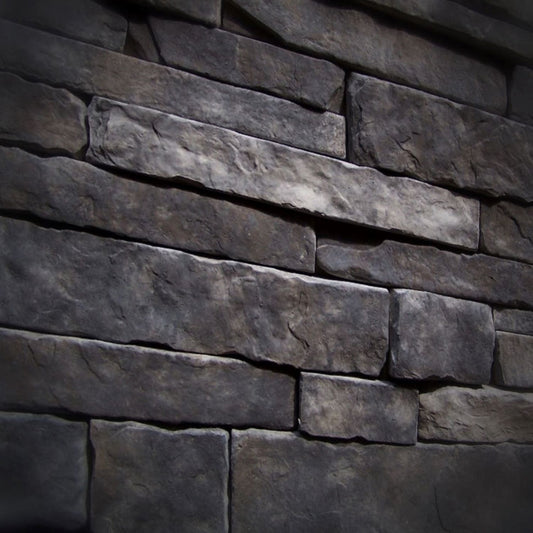
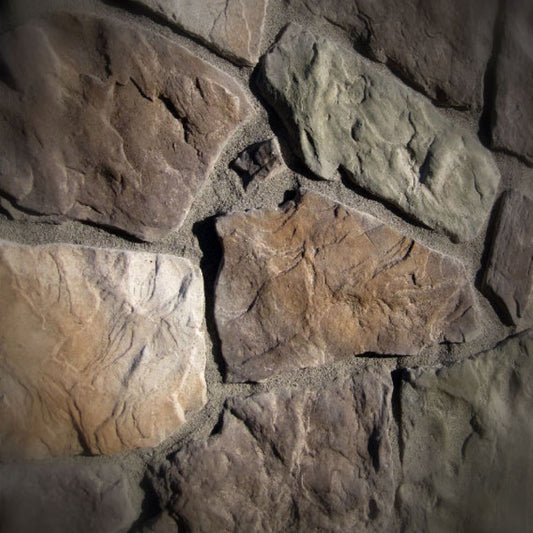
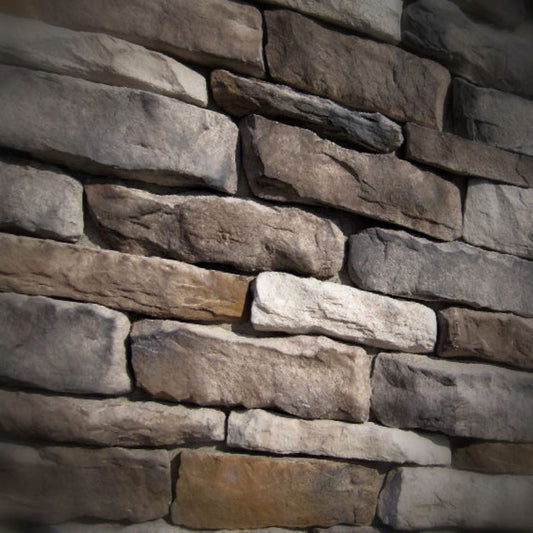
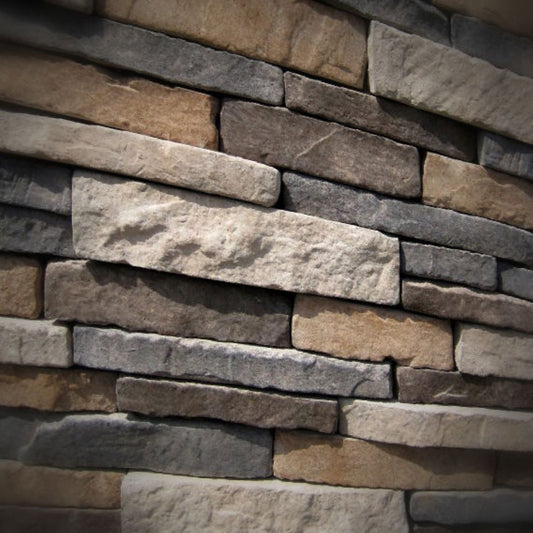
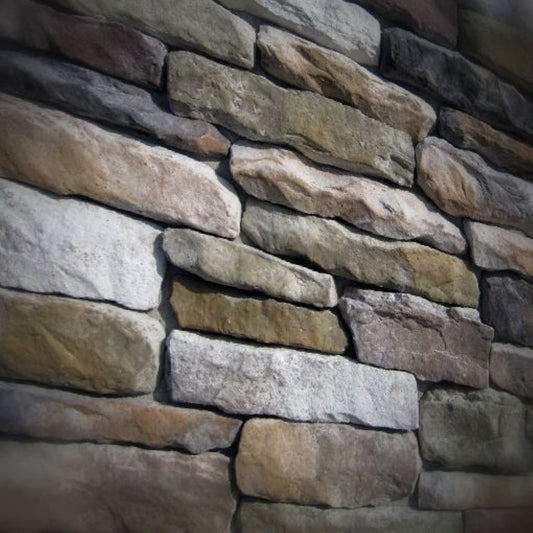
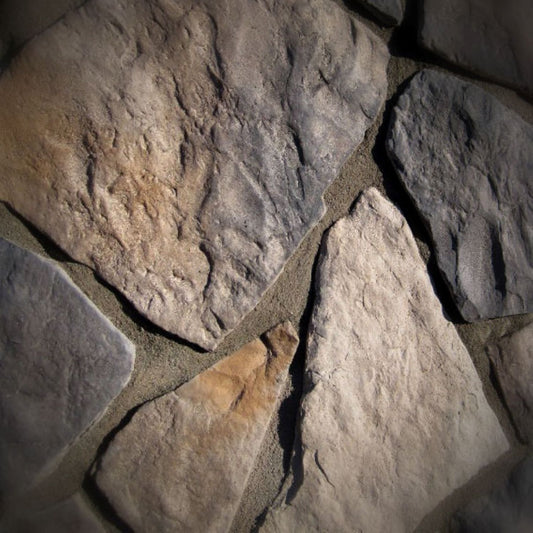
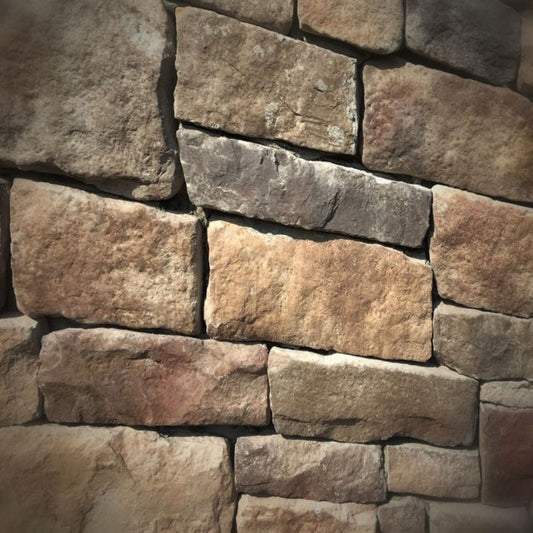
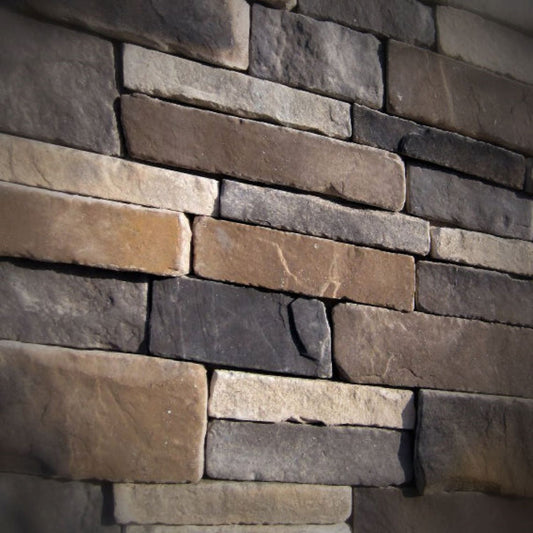
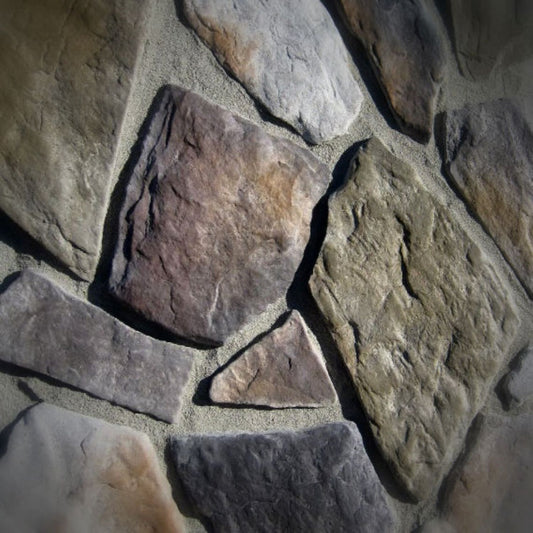
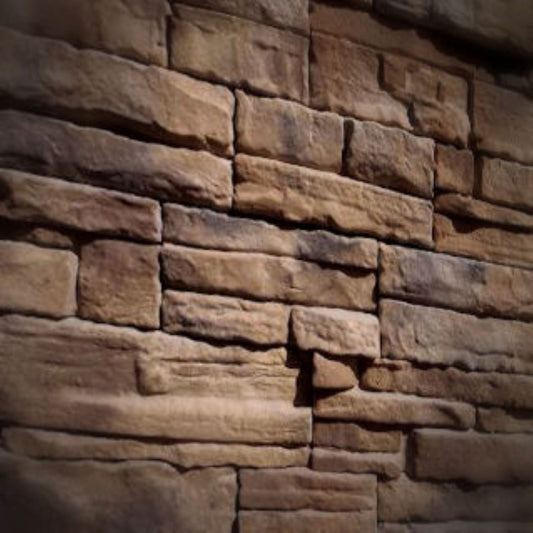
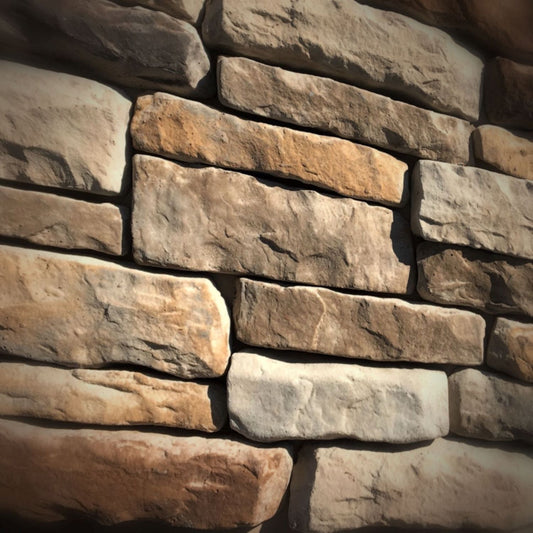
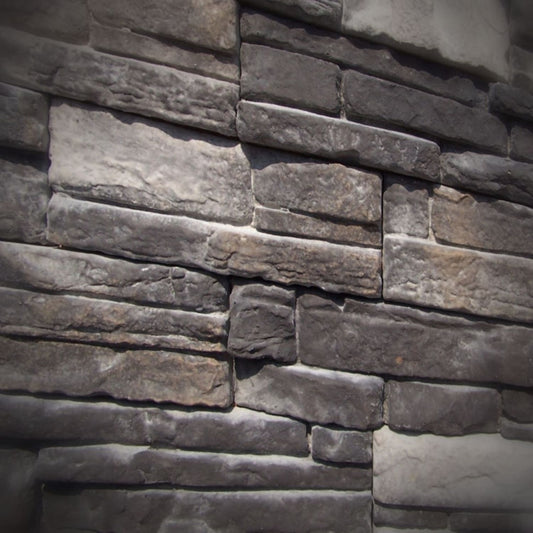
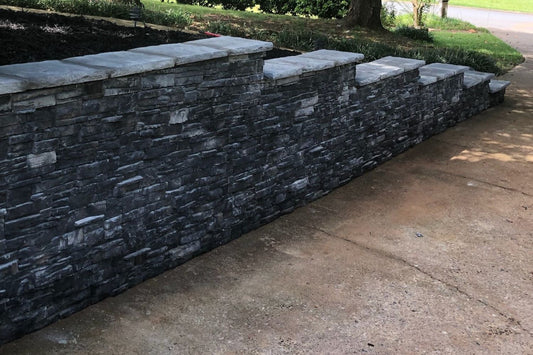
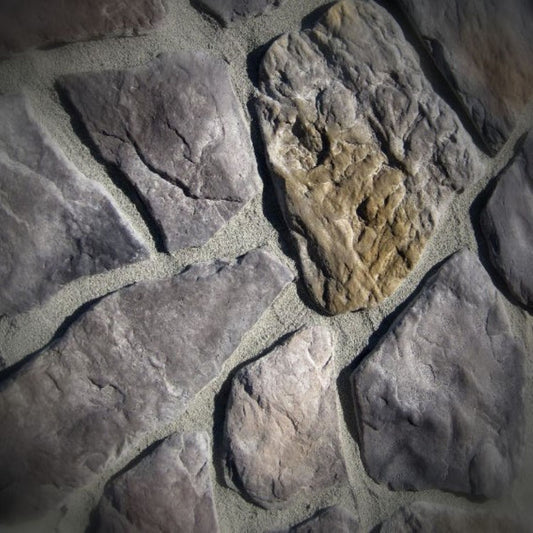
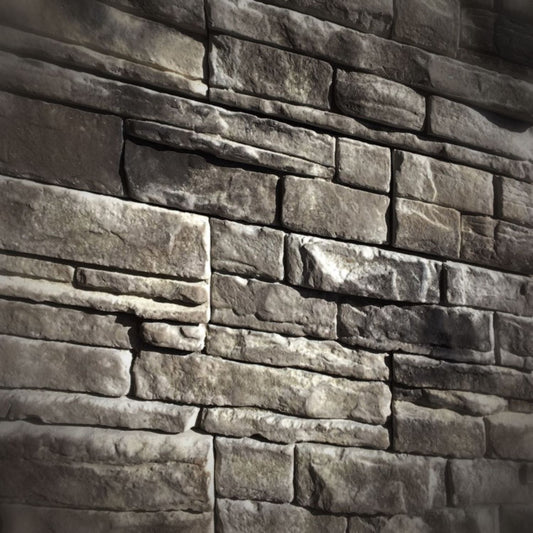
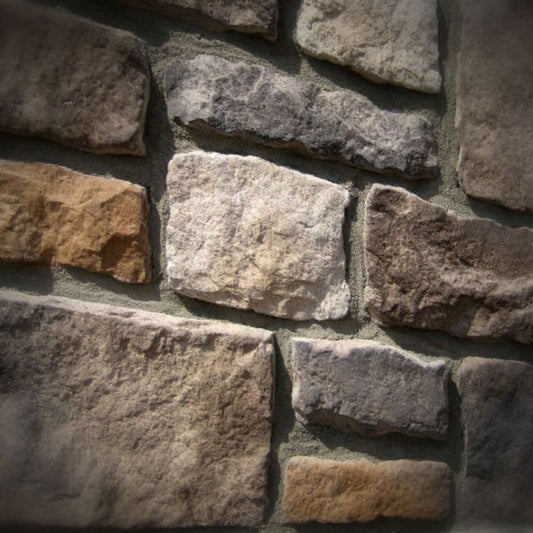
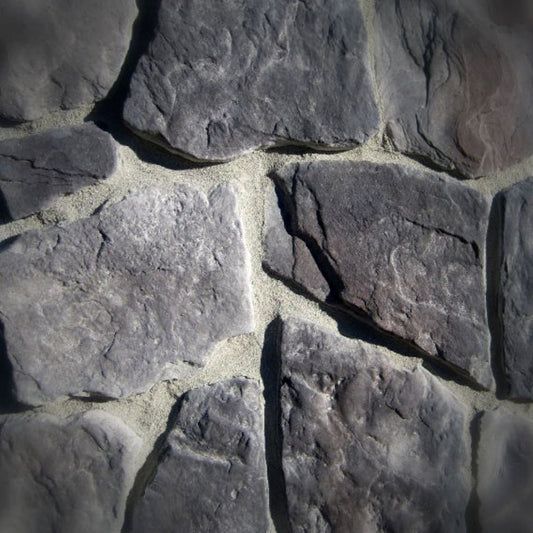
Manufactured stone veneer is available in numerous styles, including stacked stone, ledgestone, fieldstone, ashlar, castle rock profiles, and other stone-inspired designs. Each profile can have its own combination of shapes, sizes, textures, and color variation, allowing the finished installation to complement everything from traditional architecture to contemporary homes.
What is Manufactured Stone Veneer Made Of?
Manufactured stone veneer is primarily made from Portland cement, lightweight aggregates, and iron oxide mineral pigments. Depending on the manufacturer and product, other cementitious materials, admixtures, and additives may also be incorporated into the mixture.
Portland cement provides the binder that gives the finished material its strength. Lightweight aggregates help reduce the weight of the veneer while contributing to its texture and physical characteristics. Mineral pigments provide the colors used to create the natural variation associated with stone.
The exact formulation varies by manufacturer, but the basic concept remains the same: a cement-based mixture is molded and cured to create a durable masonry veneer.
This composition is an important distinction between manufactured stone veneer and lightweight decorative products made from polyurethane, foam, plastic, or other synthetic materials. Manufactured stone veneer is a cement-based masonry product rather than a flexible or foam-based wall covering.
How is Manufactured Stone Veneer Made?
The manufacturing process begins with the selection and preparation of the materials used to create the desired appearance and performance characteristics. Portland cement, lightweight aggregates, mineral pigments, and other ingredients are combined into a carefully controlled mixture.
The mixture is then placed into molds created to reproduce the texture and shape of individual stones. The molds capture details such as surface texture, edges, irregularities, and other characteristics that help give the finished veneer a realistic masonry appearance.
After molding, the pieces are allowed to cure and harden. Once cured, the finished stones are inspected and prepared for packaging and installation.
Color and texture are particularly important to the manufacturing process. Natural-looking stone veneer depends on more than simply producing a stone-shaped piece. Variation in color, surface texture, shape, size, and profile helps prevent the finished wall from appearing repetitive or artificial.
Quality manufactured stone veneer is therefore designed to provide variation throughout an installation while maintaining enough consistency to create a cohesive finished appearance.
Does Manufactured Stone Veneer Look Like Real Stone?
The purpose of manufactured stone veneer is to reproduce the appearance and texture of natural stone as realistically as possible. Modern manufacturing techniques allow manufacturers to create molds with detailed textures and irregular surfaces that closely resemble the characteristics of quarried stone.
The realism of an installation also depends heavily on how the individual pieces are arranged. Manufactured stone veneer is not intended to create a perfectly repeating pattern. Individual pieces should be selected and positioned to distribute different sizes, shapes, textures, and colors throughout the installation.
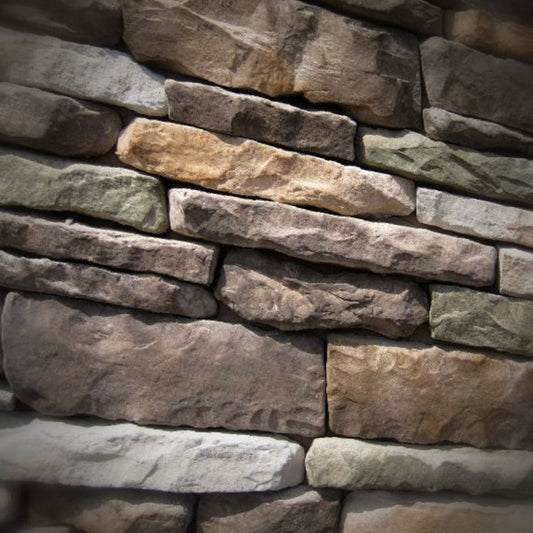
Color variation is another important part of the appearance. Manufactured stone veneer can incorporate multiple related colors and tones to create depth and variation rather than a flat, uniform surface.
The result is a masonry finish with substantial visual dimension. When properly selected and installed, manufactured stone veneer can create the appearance of a much more substantial stone wall without requiring full-depth stone construction.
What Are the Benefits of Manufactured Stone Veneer?
One of the biggest advantages of manufactured stone veneer is its combination of appearance and practicality. It provides the texture and architectural character associated with stone while offering a lighter and more manageable alternative to many traditional masonry materials.
Manufactured stone veneer is also available in a broad range of colors, textures, shapes, and profiles. This makes it possible to create very different architectural appearances using the same basic type of material. A tightly fitted stacked stone installation can provide a contemporary appearance, while irregular fieldstone can create a more rustic look.
Cost can also be an important consideration. Manufactured stone veneer is generally less expensive than many natural stone options, and its lighter weight can reduce transportation and handling costs. Installation can also be more efficient than working with heavier full-depth masonry.
Another advantage is versatility. Manufactured stone veneer can be used on both interior and exterior projects when the product and installation assembly are appropriate for the application.
Where Can Manufactured Stone Veneer Be Used?
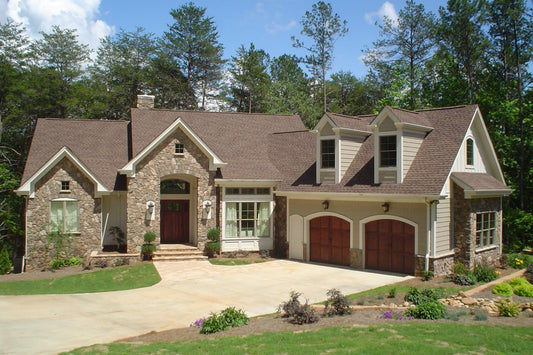
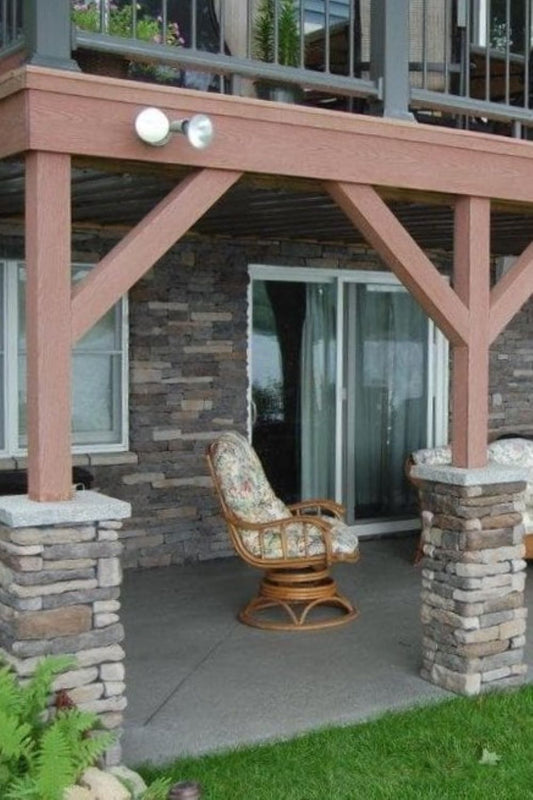
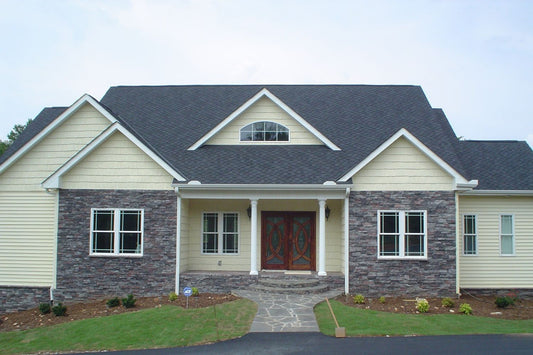
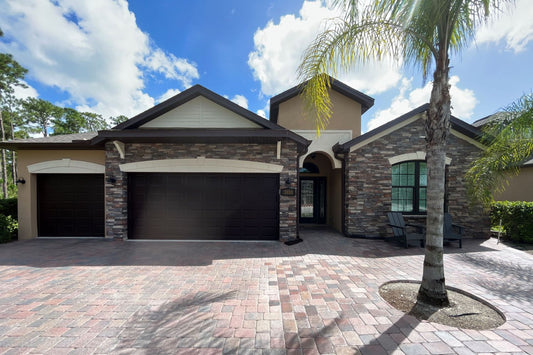
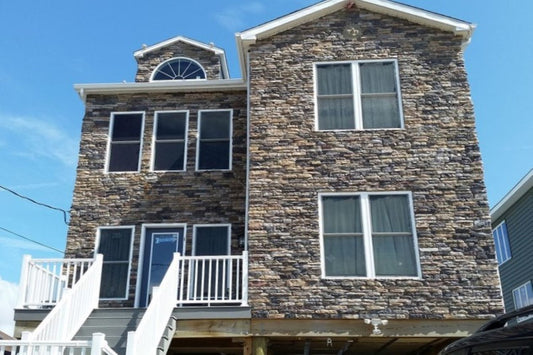
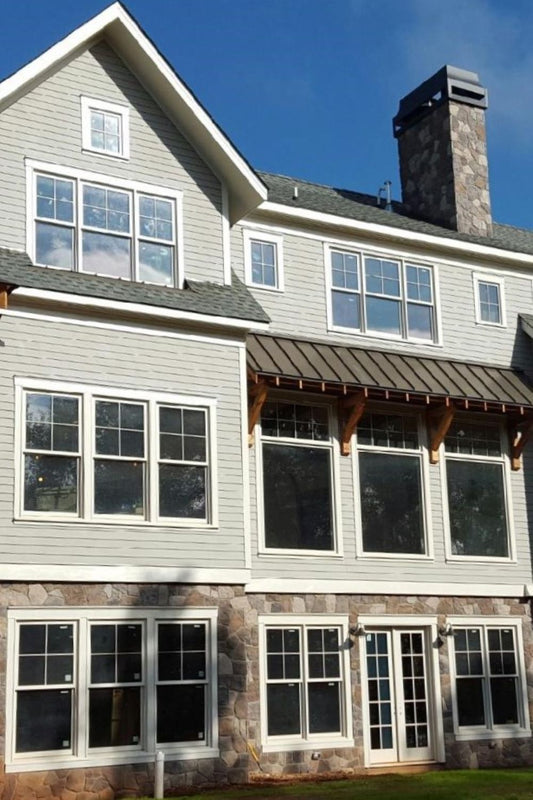
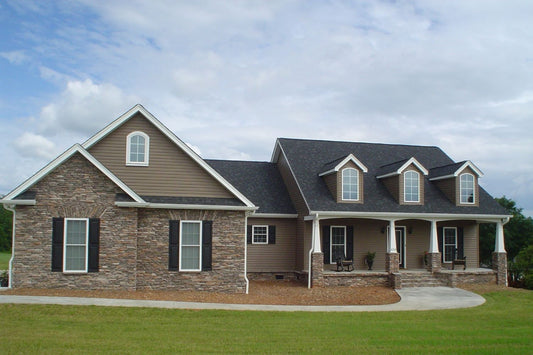
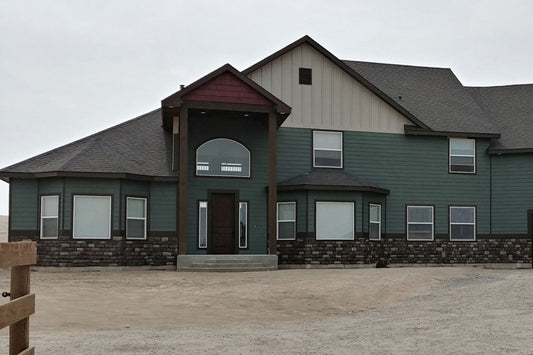
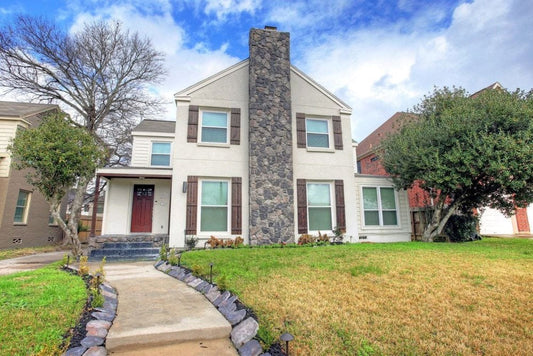
Manufactured stone veneer is used throughout residential, commercial, and outdoor construction. Exterior applications include home facades, entryways, columns, chimneys, foundation walls, architectural accents, and other exterior features.
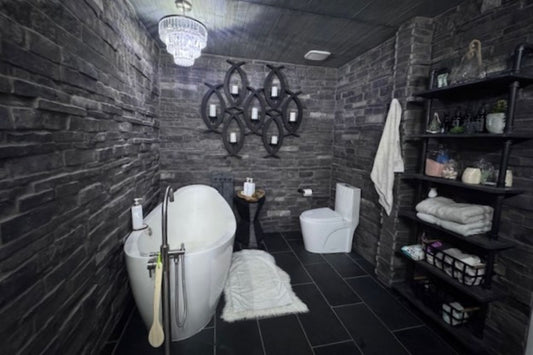
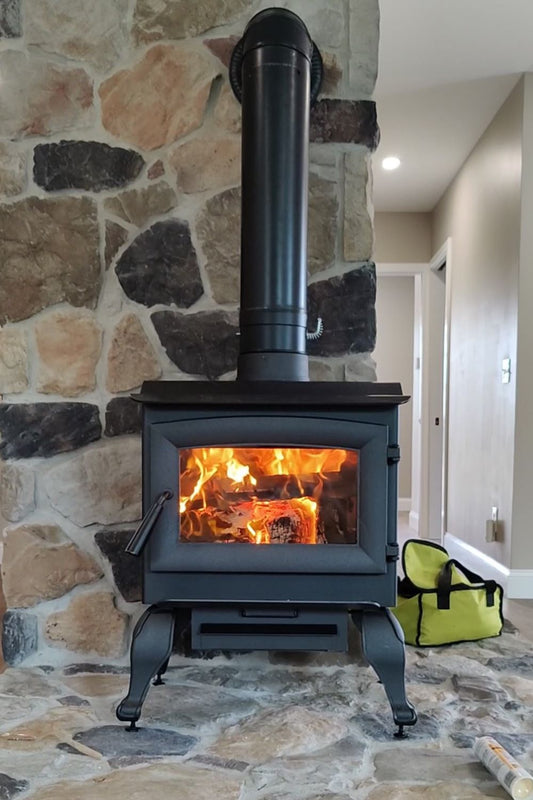
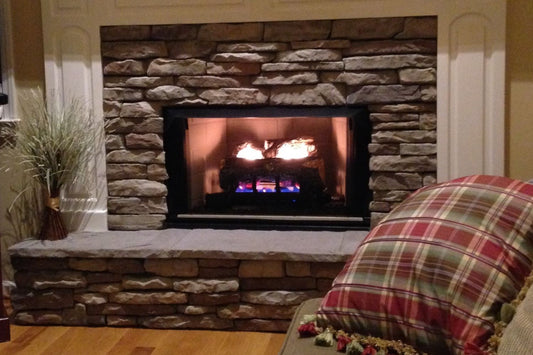
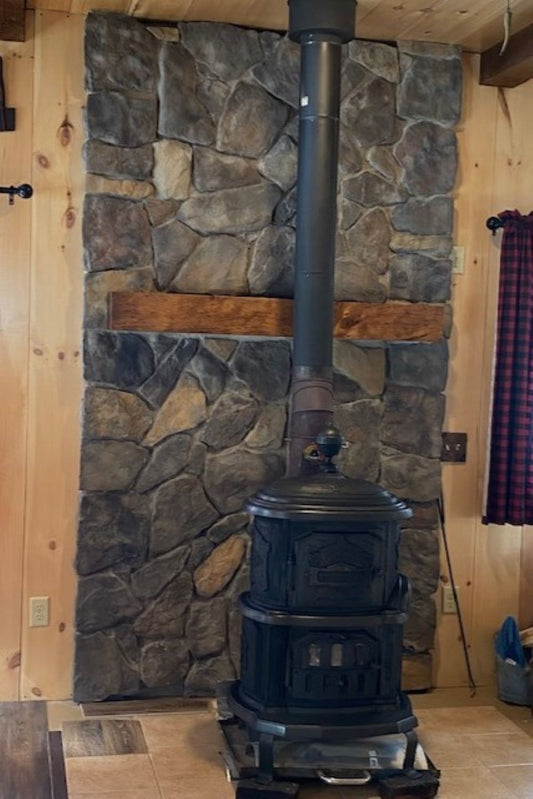
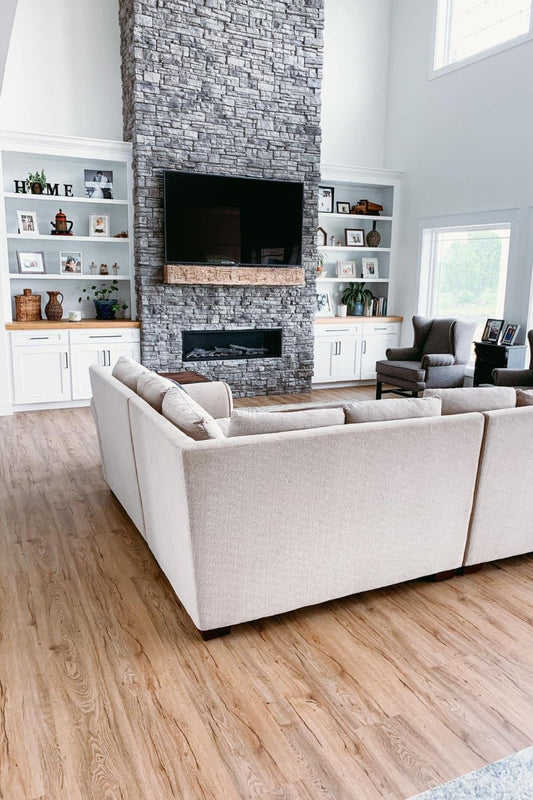
Inside the home, manufactured stone veneer is frequently used around fireplaces and on accent walls. A stone veneer fireplace can create a strong architectural focal point, while a smaller accent wall can introduce texture and contrast without requiring a major structural renovation.
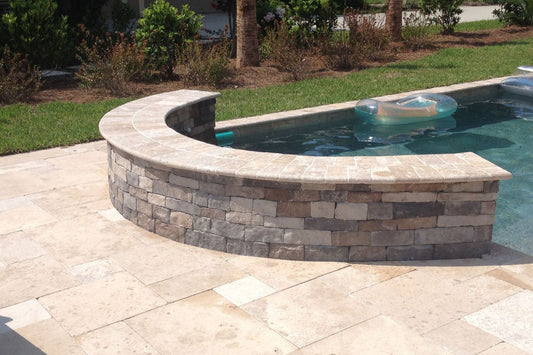
Outdoor living spaces are another popular application. Manufactured stone veneer can be used on outdoor kitchens, barbecue areas, bar areas, fire pit surrounds, and other architectural features where an appropriate product and installation method are used.
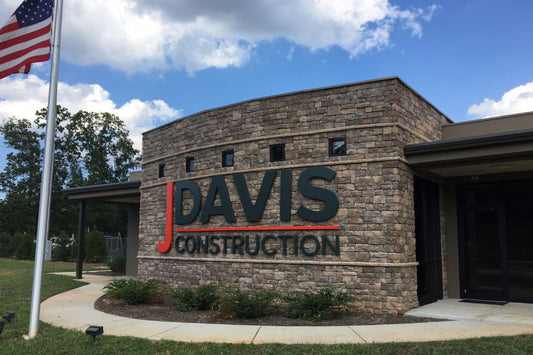
Commercial applications include restaurants, retail spaces, offices, hospitality properties, multifamily buildings, and other commercial environments. The material can help create a distinctive architectural appearance while providing a durable masonry finish.
Manufactured stone veneer can also be used on columns, pillars, entryways, garden features, and other areas where adding stone texture can enhance the overall design.
How is Manufactured Stone Veneer Installed?
Proper installation is essential to the performance and appearance of manufactured stone veneer. The installation method depends on the substrate, location, product, and applicable building requirements.
Manufactured stone veneer is generally installed using Type S mortar. For exterior applications over moisture-sensitive substrates, the wall assembly may require weather-resistant protection, metal lath, and a mortar scratch coat before the veneer is installed. The appropriate preparation depends on the substrate and project conditions.
Most manufactured stone veneer consists of individual stones that are arranged and installed one piece at a time. This allows the installer to control the placement of different shapes, sizes, and colors throughout the wall. Some manufactured stone products are also available in panel or modular systems designed to speed installation.
The veneer itself is not structural. It is a non-load-bearing finish installed over a properly prepared substrate. Proper clearances, moisture management, flashing, substrate preparation, and other installation details are important to the long-term performance of an exterior installation.
Because installation requirements vary by product and location, the manufacturer's installation instructions and applicable local building codes should always be followed.
Is Manufactured Stone Veneer Durable?
Manufactured stone veneer is designed to provide long-lasting performance when properly manufactured, installed, and maintained. Because it is a cement-based masonry product, it is substantially different from temporary decorative wall coverings or lightweight foam products.
Exterior installations are exposed to rain, sunlight, temperature changes, and seasonal weather conditions, making proper installation particularly important. Water management and appropriate substrate preparation help protect the wall assembly and reduce the potential for moisture-related problems.
Manufactured stone veneer is also designed to maintain its appearance over time. However, like other exterior building materials, its performance can be affected by improper installation, physical damage, harsh chemicals, staining, movement, and other site-specific conditions.
A properly installed manufactured stone veneer installation can provide years of durable architectural appeal with relatively little routine maintenance.
Does Manufactured Stone Veneer Need Sealing?
Manufactured stone veneer does not automatically require sealing in every application. Whether a sealer is appropriate depends on the product, location, exposure, and desired result.
When sealing is appropriate, a breathable, non-glossy penetrating sealer is generally preferred over products that create a visible film on the surface. The sealer should be compatible with manufactured stone veneer and tested on a small area before treating the entire installation.
Sealing should not be viewed as a substitute for proper installation or moisture management. A sealer cannot correct an improperly prepared substrate, inadequate drainage, or other installation problems.
Routine cleaning is usually straightforward. Manufactured stone veneer should be cleaned using methods appropriate for the product, avoiding harsh chemicals, abrasive tools, or aggressive cleaning techniques that could damage the surface.
Why is Manufactured Stone Veneer so Popular?
The popularity of manufactured stone veneer comes from its ability to combine the visual appeal of stone with practical advantages that make it suitable for a wide range of projects.
Homeowners can use it to dramatically change the appearance of an exterior, create a fireplace focal point, add texture to an interior wall, or finish an outdoor living space. Builders and designers can use different profiles and colors to complement a property's architectural style. Contractors can work with individual pieces that are easier to handle than many full-depth masonry materials.
Most importantly, manufactured stone veneer gives designers and homeowners considerable freedom. It can provide a rustic, traditional, modern, natural, or contemporary appearance depending on the profile, color, joint treatment, and installation pattern selected.
What is Stone Veneer?
Manufactured stone veneer is a cement-based masonry product made from Portland cement, lightweight aggregates, mineral pigments, and other materials selected for the specific product. Through molding and curing, these materials are transformed into individual veneer stones designed to replicate the appearance, texture, and variation of natural stone.
Its combination of realistic appearance, lighter weight, design flexibility, durability, and versatility has made manufactured stone veneer a popular choice for residential and commercial projects.
Whether used on an exterior facade, fireplace, accent wall, outdoor kitchen, column, entryway, or architectural feature, manufactured stone veneer can add depth and character to a space without the demands of full-depth stone construction. With the right product, proper substrate preparation, and correct installation, it can provide a durable masonry finish designed to last for years.
Frequently Asked Questions About What is Stone Veneer?
Is manufactured stone veneer real stone?
Manufactured stone veneer is not quarried natural stone. It is a man-made, cement-based masonry product designed to replicate the appearance, texture, shape, and color variation of natural stone. It is made primarily from Portland cement, lightweight aggregates, and mineral pigments.
What is manufactured stone veneer made of?
Manufactured stone veneer is primarily made from Portland cement, lightweight aggregates, and iron oxide mineral pigments. Other materials may be added depending on the manufacturer's formulation and the characteristics desired for a particular product.
Is manufactured stone veneer durable?
Yes. Manufactured stone veneer is designed as a durable, non-load-bearing masonry finish. Proper installation, moisture management, and maintenance are important for achieving long-term performance, especially in exterior applications.
Can manufactured stone veneer be used outside?
Yes. Manufactured stone veneer is commonly used for exterior walls, facades, entryways, columns, chimneys, outdoor kitchens, and other architectural features. The specific product and installation assembly must be appropriate for the location and substrate.
Can manufactured stone veneer be used inside?
Yes. Manufactured stone veneer is widely used for interior fireplaces, accent walls, feature walls, and other architectural details. The product and installation method should be appropriate for the specific interior application.
Is manufactured stone veneer cheaper than natural stone?
Manufactured stone veneer is generally more cost-effective than natural stone. Its manufacturing process, lighter weight, transportation requirements, and installation characteristics can contribute to a lower overall project cost, although actual pricing varies by product and project.
What's Next?
Discover the perfect look for your space with our premium stone veneer! Shop now or order a sample to experience the quality up close!
Have a Question?
Please see our full terms of service or check out our frequently asked questions.
For general information and questions please call: (864) 882-8960 Mon. - Fri. 8am - 5pm (EST) or email: info@blackbearmountainstone.com we are more than happy to help you.
Or you can submit your questions via our contact us page.
We look forward to working with you on your upcoming project.
The Black Bear Mountain Stone Team
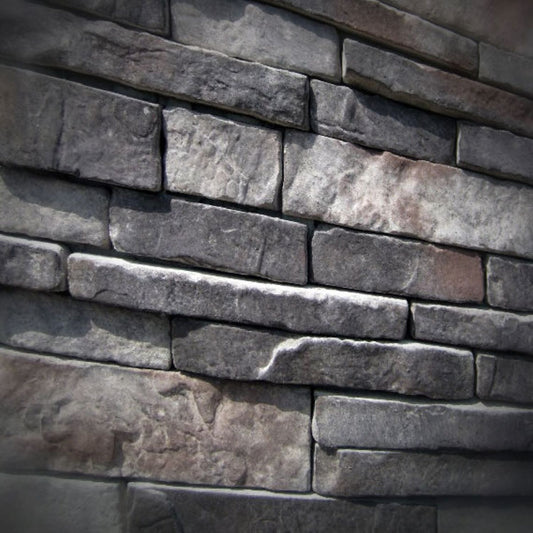
Pictured is stack stone ozark.