
How Much Stone Veneer Do You Need for Your Project?
Share
Originally posted December 10 2025, updated September 21 2026.
To estimate how much manufactured stone veneer you need, measure the areas to be covered, subtract openings, account for corners, and add 10-15% for cuts and waste.
Planning a manufactured stone veneer project starts with one of the most important practical questions: how much stone veneer do I need? Whether you are covering a fireplace, accent wall, foundation, exterior facade, or an entire home, ordering the right amount of material can help keep your installation on schedule and prevent unnecessary costs.
Estimating manufactured stone veneer is relatively straightforward for a simple wall, but larger or more detailed projects require additional consideration. Doors, windows, corners, architectural details, cuts, installation conditions, and the specific stone profile can all affect the amount of material required.
At Black Bear Mountain Stone, we are happy to help customers estimate the amount of manufactured stone veneer needed for their projects. However, the most accurate estimate starts with real-world measurements taken from the actual project. Architectural drawings and material takeoffs can be useful, but they may not always reflect the final dimensions or conditions at the job site.
Start With Accurate Measurements
The first step in determining how much manufactured stone veneer you need is measuring the actual surfaces that will receive stone. For a basic rectangular wall, measure the height and width and multiply those numbers together to determine the square footage.
For example, an 8-foot-high wall that is 12 feet wide contains 96 square feet of surface area.
If your project includes several walls or separate areas, measure each one individually and then add the square footage together. This gives you the initial surface area before accounting for openings, corners, waste, or other installation considerations.
Whenever possible, these measurements should be taken at the actual job site. Real-world measurements provide a more accurate picture of what will actually be covered than relying solely on architectural plans or an older set of drawings.
Subtract Doors, Windows, and Other Openings
Once you have calculated the total wall area, account for areas that will not receive stone veneer. Large doors, windows, garage openings, and other openings can generally be subtracted from the total square footage.
For example, if an 8-foot-by-12-foot wall has 96 square feet of surface area and contains a 3-foot-by-4-foot window, the window represents 12 square feet. The remaining surface area is 84 square feet.
However, openings can become more complicated than this simple calculation suggests. Stone may be installed around the opening, and some projects may include sills, returns, trim, or other stone details. Those areas need to be considered separately when determining the final material requirements.
This is one reason an actual measurement and review of the project is more useful than simply taking the square footage from a drawing.
Don't Forget Outside Corners
Outside corners require special consideration when estimating manufactured stone veneer. Flat stone covers the face of the wall, while outside corners typically require corner pieces designed to wrap around the corner.
Corner material is generally calculated separately from flat stone and is measured by linear feet rather than square feet. If your project has outside corners, determine the total linear footage of those corners in addition to the square footage of the flat areas.
The number and height of the corners can have a significant effect on the amount of material required. Your estimate should also account for other areas that may require additional stone, such as returns around openings or architectural features.
Why You Should Add 10-15% Extra Stone Veneer
After determining the approximate amount of flat stone required, it is important to add an allowance for cuts, waste, breakage, and installation adjustments. For most projects, we recommend allowing approximately 10-15% overage when ordering manufactured stone veneer.
For example, if your project requires 200 square feet after accounting for openings, a 10% overage would bring the order to 220 square feet. A 15% overage would bring it to 230 square feet.
The additional material gives your installer room to work with the natural variation in individual stones and accommodate cuts around corners, openings, edges, and other details. It can also account for pieces that may not be suitable for a particular location during installation.
Ordering the exact calculated square footage may look more economical initially, but it leaves very little margin for the realities of installation. Running short can be considerably more inconvenient than having a reasonable amount of material left over.
Why Real-World Measurements Are Better Than Takeoffs
Architectural drawings, blueprints, and material takeoffs can be helpful when planning a project, and they can give you a useful starting point for estimating manufactured stone veneer. However, they should not automatically be assumed to represent the exact amount of stone required.
Construction projects change. Wall dimensions can be modified, windows and doors can move, architectural details can be changed, and finishes can be revised. In some cases, the plans being used for an estimate may not reflect what is actually being built.
A material takeoff can also overlook installation-specific details. The person preparing the takeoff may not know exactly how the stone will be laid out, where cuts will be required, how corners will be handled, or which architectural features will ultimately receive stone. For these reasons, real-world measurements taken from the completed or current job site are far more accurate than relying solely on architectural drawings or takeoffs.
That does not mean plans and takeoffs are useless. They can be extremely helpful for getting an initial understanding of the project and preparing a preliminary estimate. But whenever possible, the actual dimensions should be verified before placing the final order.
Getting Help With Your Estimate
You do not have to figure everything out on your own. Most stone veneer manufacturers can often help estimate your material requirements and provide pricing based on the information available.
Architectural plans, drawings, measurements, and project photos can all be useful when getting started. However, actual measurements from the job site are far more accurate and can provide a better basis for the estimate.
For the most accurate results, provide the actual dimensions of the areas being covered, the linear footage of outside corners, and information about doors, windows, openings, and other features that may affect installation.
The specific manufactured stone veneer profile you select is also important, since different profiles and installation methods can affect material usage and the amount of material needed.
Your Installer Should Verify the Measurements
For larger or more complicated projects, the contractor, mason, or installer should verify the measurements before the final order is placed.
The installer understands the actual conditions at the project and can identify details that may not be obvious from architectural drawings. They can also account for the way the stone will be installed, where cuts will be necessary, and how corners, openings, and transitions will be handled.
For a DIY project, the same principle applies. Carefully measure the actual surface before ordering and make sure you understand which areas will receive flat stone, which areas require corners or accessories, and how much additional material should be allowed for installation.
Most manufacturers can help you work through the estimate, but the person responsible for the installation should ultimately verify that the measurements accurately represent the project.
What Happens If You Order Too Little?
Ordering too little manufactured stone veneer can create unnecessary delays. If your installer reaches the end of the project and discovers that additional material is needed, the installation may have to stop while more stone is obtained.
There is another consideration as well, matching material later is not always as straightforward as ordering everything at the same time. Manufacturing runs can have variations, so ordering the appropriate amount at the beginning can help provide consistency throughout the project.
Having a reasonable amount of extra stone on hand can also be useful for future repairs. A few leftover pieces can be stored for use if a stone ever needs to be replaced.
What Happens If You Order Too Much?
The goal is not to dramatically over-order. Ordering substantially more material than you need can unnecessarily increase your project cost.
The 10-15% overage is intended to provide a reasonable allowance for installation rather than encourage excessive ordering. Accurate measurements are the foundation of the estimate, while the additional percentage provides a practical margin for cuts, waste, breakage, and layout adjustments.
For particularly simple projects, your installer may determine that less overage is appropriate. More complicated projects with numerous corners, openings, angles, or detailed layouts may require greater consideration.
Minimum Order Quantities Also Matter
When determining how much stone veneer you need, keep minimum order quantities in mind. Manufactured stone veneer is a heavy building material that is typically packaged and shipped on pallets.
Minimum order quantities help make production, packaging, and freight shipping more practical. Very small quantities can be disproportionately expensive to produce, package, and ship, while palletized shipments provide better protection during transportation.
If your project requires less than the applicable minimum order quantity, purchasing a smaller quantity locally may make more sense for a small repair or limited project.
Order Samples Before You Place Your Stone Veneer Order
Estimating the right quantity is important, but choosing the right stone is just as important. Manufactured stone veneer can look different depending on lighting, surrounding colors, landscaping, flooring, cabinetry, and other materials used in the project.
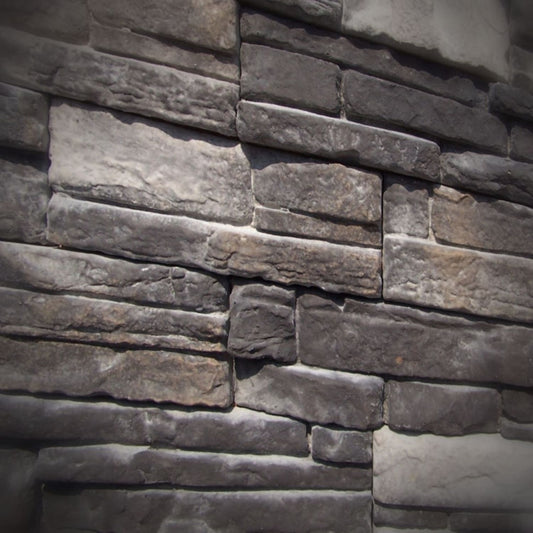
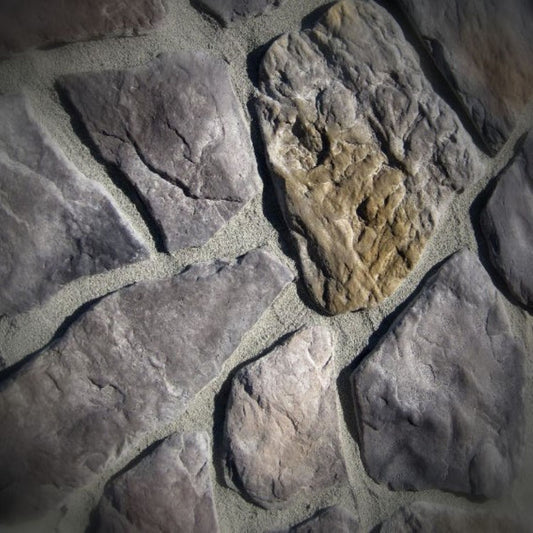
Ordering a sample allows you to see the actual texture, color, and detail before committing to a larger order. It is especially useful when comparing multiple colors or stone profiles.
Once you have selected your product and verified your measurements, you will have a much better foundation for determining the amount of manufactured stone veneer required.
Frequently Asked Questions About How Much Stone Veneer Do You Need for Your Project?
How do I calculate how much manufactured stone veneer I need?
Measure the height and width of each area receiving stone and multiply them to determine the square footage. Add the areas together, subtract applicable openings such as doors and windows, account separately for outside corners, and add approximately 10-15% for cuts and waste.
How much extra stone veneer should I order?
For many manufactured stone veneer projects, allowing approximately 10-15% extra is a practical starting point. The appropriate amount can vary depending on the complexity of the project, the number of corners and openings, the selected stone profile, and how much cutting will be required.
Can I use an architectural takeoff to order stone veneer?
An architectural takeoff can be useful for preparing a preliminary estimate, but it should be verified against actual project measurements whenever possible. Plans may not reflect revisions or real-world conditions that affect the amount of stone required.
Should I subtract windows and doors when calculating stone veneer?
Yes. Areas that will not receive stone should generally be subtracted from the total surface area. However, stone installed around openings, including certain sills, returns, or other details, may require additional material and should be considered separately.
Why should I order 10-15% more stone veneer?
The additional material provides an allowance for cuts, waste, breakage, fitting around openings and corners, and installation adjustments. Ordering a reasonable overage also helps reduce the risk of running short during installation.
How Much Stone Veneer Do You Need for Your Project?
The basic calculation is simple: measure the areas receiving stone, calculate the square footage, subtract applicable openings, account separately for outside corners, and then add approximately 10-15% for cuts, waste, and installation adjustments.
The most important part of the process is making sure your measurements reflect the actual project. Architectural drawings and material takeoffs can be useful starting points, but real-world measurements are far more accurate because they reflect the conditions your installer will actually encounter.
Black Bear Mountain Stone can help with estimates and pricing using the information you provide. For the most accurate result, however, have your contractor, mason, installer, or other person responsible for the project verify the actual measurements before ordering.
Taking the time to measure carefully and allowing a reasonable amount of extra material can help prevent shortages, avoid unnecessary delays, and give your installer the material needed to complete the project properly.
What's next?
Enhance your home with premium manufactured stone veneer, showcasing authentic textures and vibrant, natural colors. Shop now to start your durable, timeless project or order a sample to view the detail up close.
Have a Question?
Please see our full terms of service or check out our frequently asked questions.
For general information and questions please call: (864) 882-8960 Mon. - Fri. 8am - 5pm (EST) or email: info@blackbearmountainstone.com we are more than happy to help you.
Or you can submit your questions via our contact us page.
We look forward to working with you on your upcoming project.
The Black Bear Mountain Stone Team
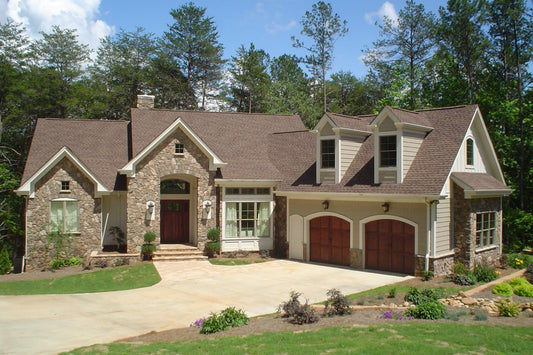
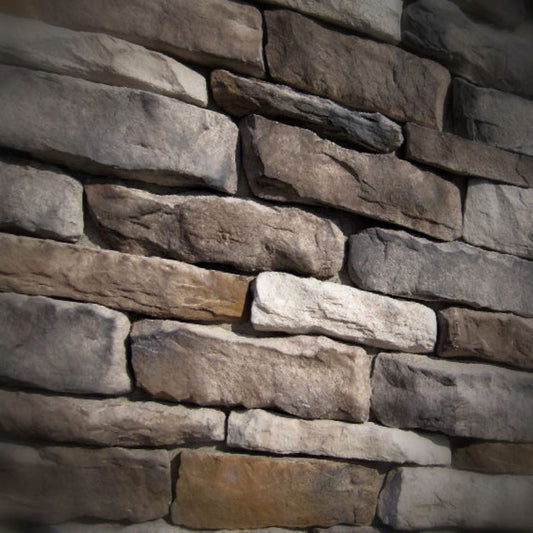
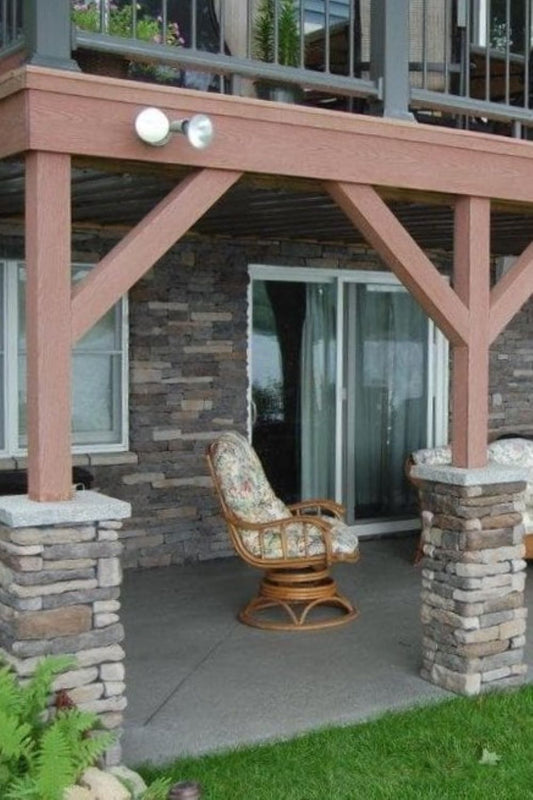
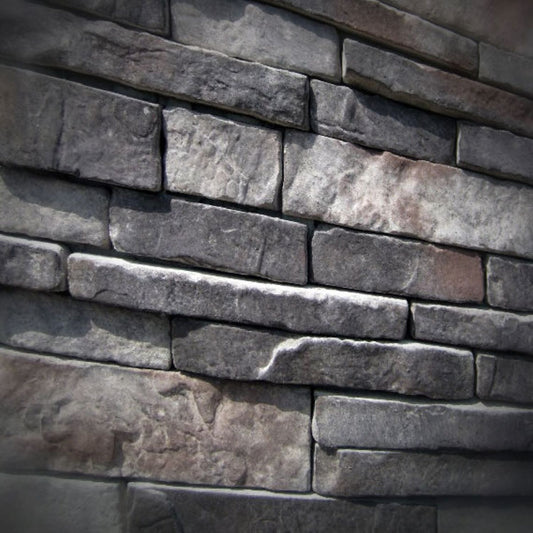
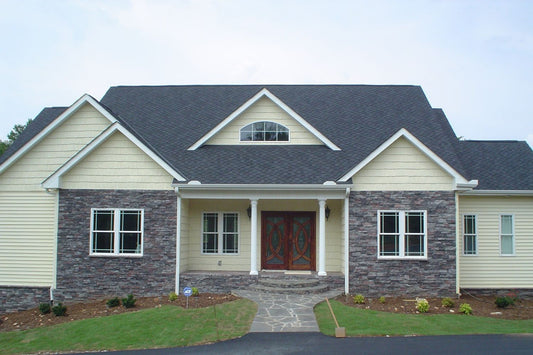
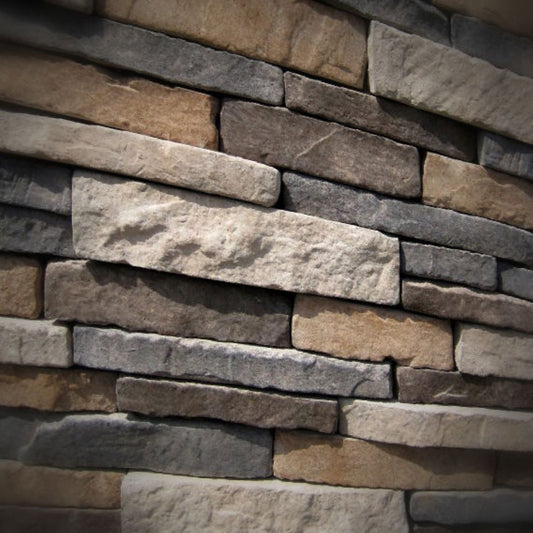
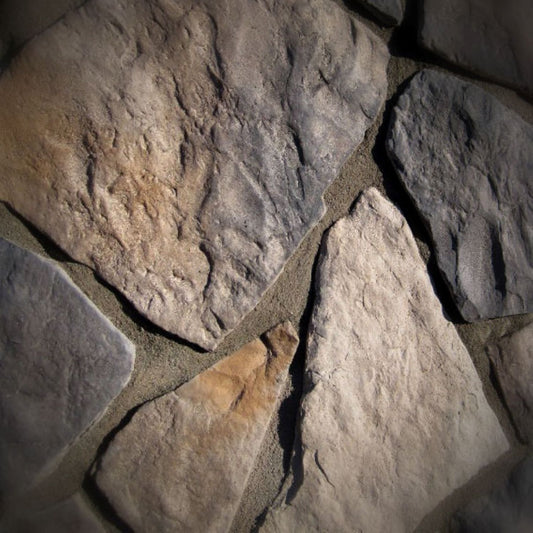
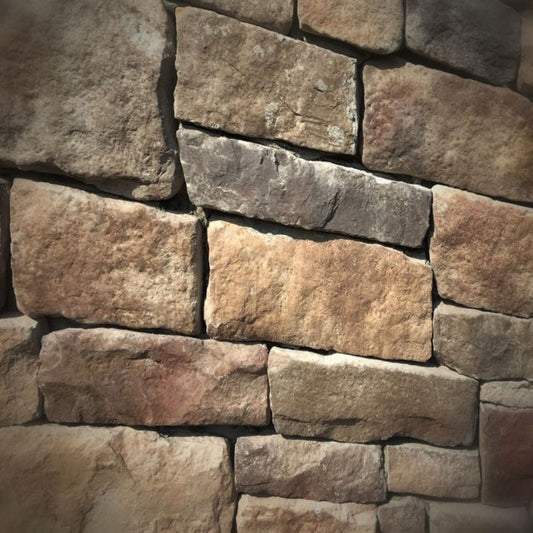
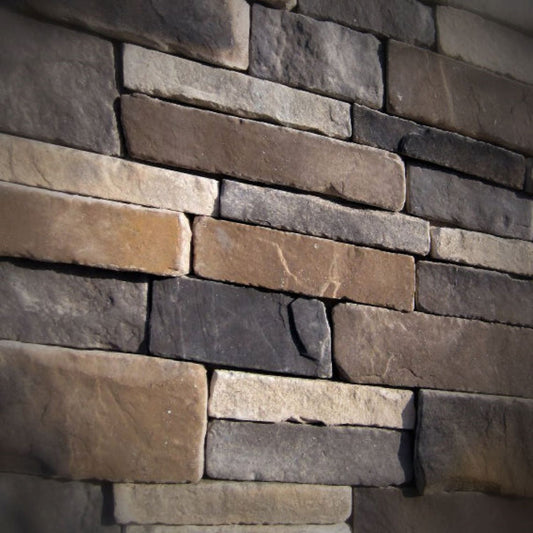
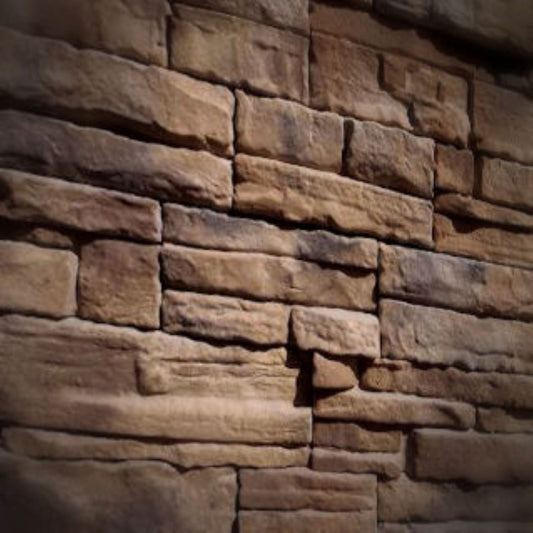
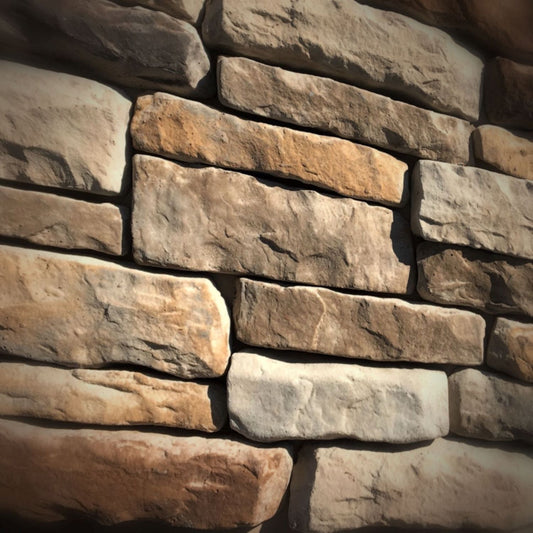
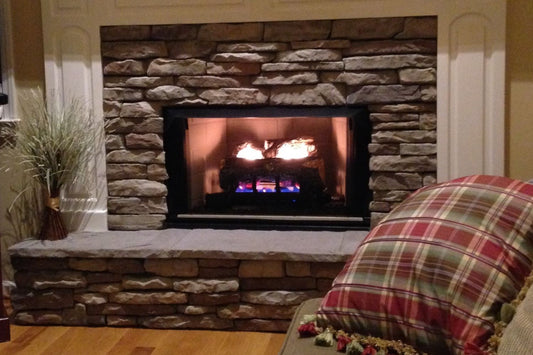
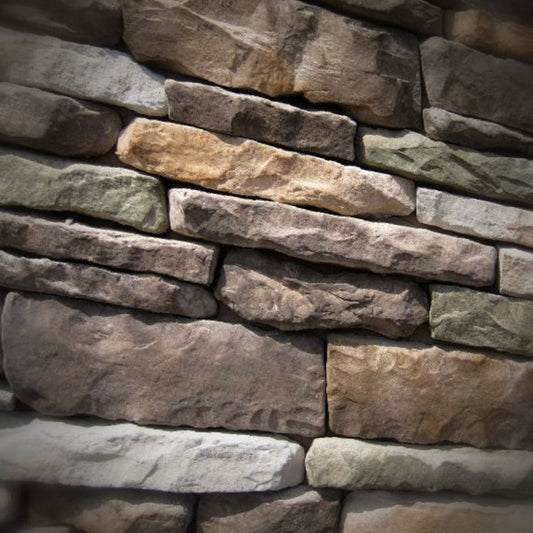
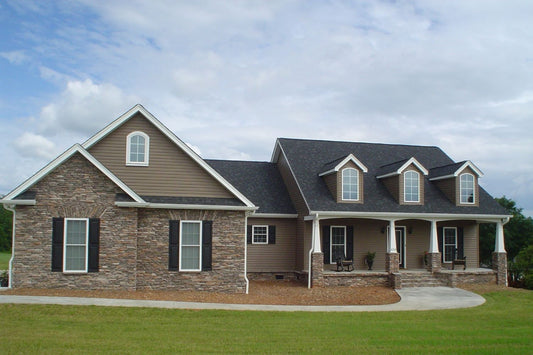
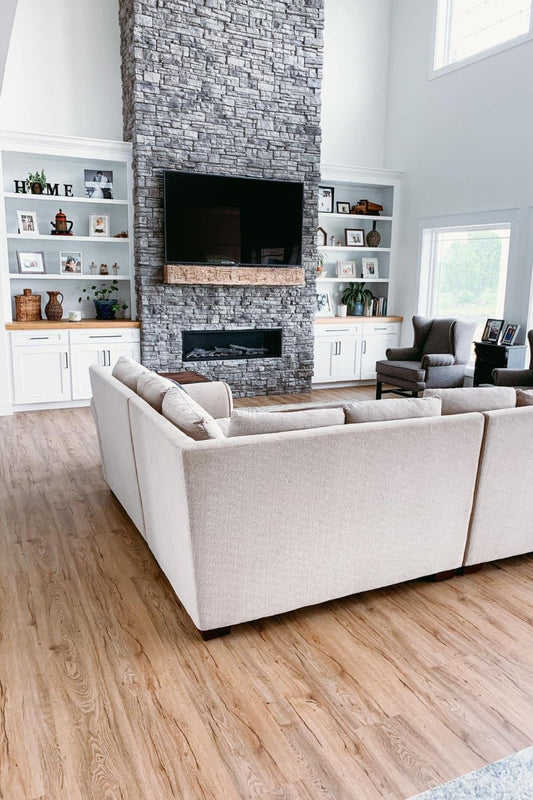
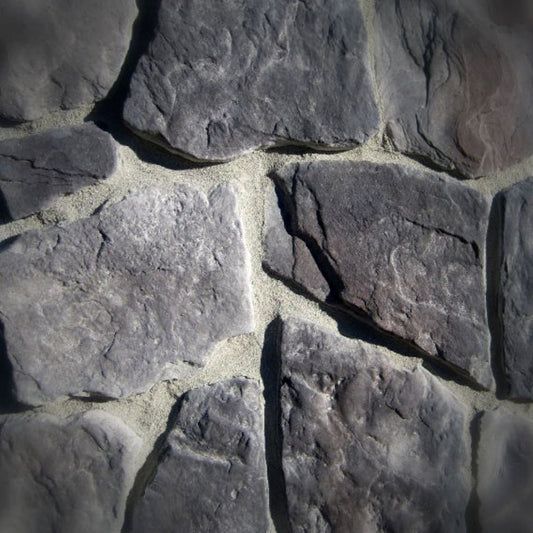
Pictured is hackett stone buck mountain.